

News
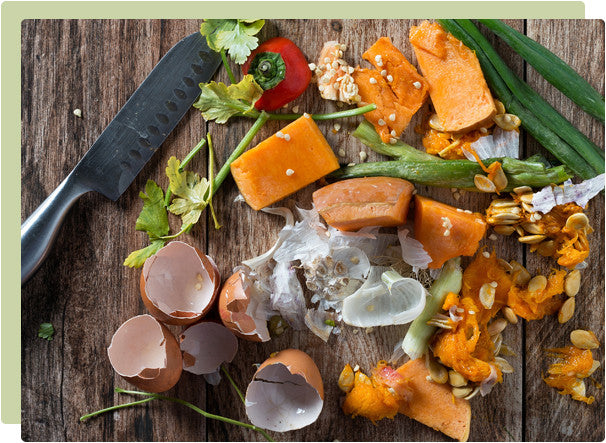

In short? Very easy! There's a bit of a myth that to compost effectively at home you need a big space in your yard - or even a yard to start with! - and that it's messy, hard work, needs constant attention and will take forever and forever to work. Well, some of that can be true, but not all of it. In fact, composting methods and techniques have come so far that even homes with little courtyards or nothing more than an apartment balcony can be turning their food waste into valuable compost right now. Compost - why would we bother? The issue of food and other organic waste ending up in the landfill is a growing problem. The majority of household waste comes from the kitchen and Kiwis are throwing away truckloads of it each year. Not only does this lead to increasing greenhouse gases from the methane that is produced when food waste decomposes anaerobically (no it's not just burping cows that are to blame!), we're also wasting a magnificent opportunity to return what came from the earth back to the earth in the form of nutrient-rich, highly valuable organic matter.Compost Bins - all is not equal! When it comes to choosing the right composting method for your home there are a few things you need to consider as all is not created equal when it comes to what and how you compost your organic waste. Firstly, consider how serious you are about the whole thing. If you like the idea of it but have never given it a go, then something simple, small and easy like a bokashi bin might be the thing for you. Similarly, if you don't have a lot of space, or a big yard and a lot of garden waste to dispose of, bokashi is brilliant. If you have a yard, regularly collect lawn clippings, fallen leaves and have a large family producing loads of fruit and veggie scraps, then a large outdoor compost bin might just be the ticket. If budget is not such an issue and speed of composting is important, a tumbler could be the go. And if you're a dedicated reduce/reuse/recycle warrior then a combination of compost bin, worm farm and bokashi bin may suit you down to the ground. Add to that a few chickens and you’ll be generating enough compost to provide for your neighbor's garden too! Let’s take a look at the different methods of home composting…The Good Old-Fashioned Compost Bin Traditional compost bins are a great place to start if you have space for one in your yard and are looking for a fairly low-maintenance and budget-friendly setup. Compost bins require 3 things to work well - moisture, heat and a good flow of oxygen to break-down the waste effectively. They require aerating and turning of the pile regularly to encourage efficient decomposition. A DIY compost bin can be fashioned out of recycled timber pallets, you can buy a timber boxed-shaped open bin or you can try a simple, easy to assemble plastic model. Timber ones are great because they are usually cheap, easy to fill allow for good aeration and if big enough can generate quite a good bit of heat inside. The plastic versions are usually dark coloured to absorb heat from the sun, come with aeration holes to encourage oxygen flow, a lid to keep out critters, and sliding hatch doors for easy access to the decayed material at the bottom. They are generally quite large and can accommodate a lot of waste. You can also buy a handy compost aerator tool to help churn and aerate the contents. Typically, depending on the temperature (decomposition of waste is quicker in warmer months, and slower in cooler months) and other conditions being ideal, a regular compost bin will produce a lovely compost within 3-6 months. They are generally not mobile - where you set them up is where they will stay until you empty them.Try a tumbler You can up the ante a little with a tumbler composter and this speeds up the whole process, plus reduces the amount of effort required to aerate the pile. Tumblers literally do what they say, tumble the compost in an enclosed bin tossing it all around, adding in heaps of oxygen and mixing it thoroughly to break up the waste as it goes. These are also quite large and some even have two compartments so you can keep adding waste in one while the compost material in the other matures. Tumblers can churn-out compost a little quicker than their static cousins simply because of the amount of mixing and aeration they afford to the waste. All conditions being ideal it could be as quick as a couple of months. This is most likely in warmer summer months when the tumbler can generate a good deal of heat. In cooler months, unless they are insulated the tumbler won't retain as much heat and decomposition will be slower.BokashiBokashi is a convenient and quick method of composting. The word bokashi translates to ‘fermented organic matter’. Instead of allowing food to decay as with traditional composting methods, the bokashi fermentation process pickles food waste - this means you can compost almost any kitchen scraps! Raw or cooked meat, eggs, onions, small bones and cheese can all be swiftly dealt with by a bokashi bin. Plus, the whole process is up to 50% quicker than regular composting, and you won't get any smelly odours as the waste is not decaying. You can find out more about bokashi by reading our blog posts: how bokashi works and how to do it. Tips for getting the most from your compost bin As previously mentioned, to decompose effectively a compost bin requires 3 things - air, heat and moisture. Air we’ve covered off - regular turning and mixing adds oxygen into the waste and helps it break down more efficiently. Heat is an interesting one. Heat in compost is mostly generated by the microorganisms that are working hard to breakdown the waste material. In addition to this your outdoor heap gets extra warmth from the sun, and ultimately a good amount of consistent heat is required to destroy any weed seeds, pathogens, the eggs of parasites and fruit flies that might be in your pile. You don’t want it baking hot though, the good-guy microorganisms operate at temperature ranges between 45-70 degrees, any hotter than this they can become less effective. Aeration of the pile will help cool things down a little. Lastly moisture is also required to boost the ideal conditions for decomposition. The beneficial microorganisms require moisture to survive, and a dry heap will result in the biological activity decreasing and eventually ceasing, and in these little creatures dying. Most kitchen scraps contain enough water to provide all the moisture you need, however if the heap is a little dry, you can add a little water to sort this out. Particularly important when you are adding quite a bit of brown waste - dry leaves, shredded paper, cardboard will impact the moisture levels .Ready to start composting? Check out our expansive range of compost bins & accessories.

In this article: Bokashi - What do you need?, Bokashi - Getting Started, Bokashi - How long does it take?, Bokashi Systems available at GubbaBokashi composting - while still relatively new to the composting scene in New Zealand homes, has been around for centuries in Japan. The fundamental difference - and a huge benefit for home composting - is that the method uses beneficial microbes to ferment decomposing food scraps, rather than allowing them to decay and rot like a compost heap does. In short, that means a wider range of kitchen scraps can go into the compost - including meat, fish and dairy, there's no nasty rotting smells and pests are kept at bay. It can even be done indoors, and it's much faster than traditional composting! If you want to read more about the benefits of Bokashi Composting check out our blog article: Bokashi - from kitchen to compost in a matter of weeks! But let's dive into the topic of creating the perfect Bokashi compost - what to add, what to leave out, and most importantly what to do with all the Bokashi goodness you get from the composting process! Bokashi Bins - what do you need to get started? You can easily DIY a Bokashi system of your own using a couple of buckets, but we quite like the compact, portable (and good looking) Bokashi kits in our range that are ready to purchase and ideal for indoor use. Check these out here. In essence, a Bokashi system uses two buckets - one bucket on top of another. The top bucket has holes in the bottom to allow for compost juices to drain off, and it must also have a lid. Bokashi is an anaerobic composting method, it does not require air to decompose the food waste, therefore no requirement for aerators or "turning the heap". But a good, tight-fitting lid is essential to keep the airflow (and fruit flies) out. Another handy item is a compactor or masher - several of our Bokashi kits come with a compactor, otherwise a spoon, small plate or potato masher does the job just as well. This is used to press down the food scraps after each addition and get the air out between the layers.EM - the key ingredient to Bokashi The crucial step to creating quality bokashi is the addition of "EM" - Effective Microorganisms. These diverse, cultures of beneficial and naturally-occurring microorganisms include bacteria, yeasts and fungi, and it's the combination of these that make it so effective. In agriculture, EM has wide use for improving soils, boosting crops, pest and odour control and even restoring water quality. When included in Bokashi in the form of a sprinkle or spray, EM accelerates the decomposing process and also adds valuable microbes to the soil when the compost is dug in, adding vital nutrients and improving soil condition.So what difference does that make? This is the clever bit! You can put a wider range of waste into your compost - including meat, fish, dairy, bread, some fats, citrus, onions and garlic! This helps eliminate some of the challenges faced with composting at home. Not all compost systems are a perfect all-round solution and worm farms certainly can't cope with the additions of citrus and onions, and adding meat or cheese to your compost pile would create a great stink and attract mice and rats. By no means is Bokashi a silver bullet, but it does do a much better job of recycling proteins, is much quicker and takes up a lot less space.Getting started with your BokashiAll you need to get going is a bokashi bin (we recommend 2 bins for continuous composting) and some EM, which comes in the form of a bran or a liquid spray. To get started, simply add your first layer of food scraps to the bin and and give it 2-3 sprays (if using liquid spray) or sprinkle a few tablespoons of bran on top. Make sure the lid is secured tightly! Compact the waste down & add more bran / liquid bokashi each time you add a new layer of scraps. What to add: Meat, fish, chicken - both raw and cooked Vegetables and fruits including citrus, onions, garlic Eggs, eggshells, small bones Bread Cheese Food with white mould Some fats - ie salad dressing on salad Coffee grounds, tea leaves and tea bags Wilted flowers What to leave out: Liquids - oils, milk, fruit juices and no deep-fryer fats Large meat bones Foods with green or black mould No regular compost “browns” like leaves, sticks, cardboard, paper Definitely no plastic packaging! Top tip: Cutting food scraps up into smaller pieces will help them break down more quickly. It also means you’ll be able to better compact down the scraps in your Bokashi Bin, removing more air pockets in between the layers of scraps. You can leave your Bokashi bin in an out-of-the-way corner of your kitchen, pantry, laundry or garage, as long as it’s in a warm spot out of direct sunlight. The handiest way to collect scraps is a bowl or benchtop kitchen caddy and empty them into your Bokashi bin at the end of each day. After the addition of each layer of food grab your compactor or masher - this is the best bit - and squish down all the food. There's such satisfaction in that! You want to aim to remove as much air from the scraps as possible. Next, add a couple of tablespoons of Zing sprinkle, or a couple of sprays of Bokashi liquid and pop the lid back on tightly.How long does Bokashi take? A 15-18 litre Bokashi Bin will take a regular family of four 1-2 weeks to fill depending on the volume of scraps generated. During the process, your compost solids are quietly fermenting in the top of the bucket, and a nutrient-rich compost juice is draining into the bottom bucket. The amount and colour of the liquid depends on the scraps that have been added - fruit and vegies produced more liquid than other scraps. This liquid gold is an outstanding fertiliser but incredibly potent. It must be well diluted with water at a ratio of 1:100 that's only 2-3 tablespoons per 5 litres of water, and can then be liberally applied to the soil around plants. Avoid applying directly to the foliage or roots. Most interestingly, the liquid can also be poured undiluted down the toilet, shower drain, sink, outdoor drains and septic systems as all the goodies it contains help prevent algae build-up and odours. Wow! It's super important to drain your liquid off every few days to avoid it turning rancid and nasty, and don't worry if you see white mould growing on top, that's a really good sign that everything's working as it should. Our Maze Bokashi systems have a handy tap for draining this off. Handy hint: In warmer weather, or if you've added meat, cheese or bones, add a couple more scoops of sprinkle or sprays to ensure effective fermentation and avoid nasty smells.So the Bokashi Bin is full - what next? Once the bin is full, the lid is secured tightly and left for 10-14 days to ferment. Your food waste should have a sweet pickled smell - sometimes even a pleasant malty aroma - but definitely not nasty. Now you're left with your solid compost product and it's time to get digging. Find a clear space in your garden, away from tree and plant roots and dig a trench at least 20-25cms deep and twice as wide. Pour in your solids and cover back up with the soil. Unlike traditional composting your Bokashi waste still retains it shape and volume, so don't be surprised if it looks just like it did when you added it to the bucket. If the surrounding soil is a little dry, add some water to aid the composting process. When combined with the soil in your garden, the Bokashi solids (which are quite acidic to begin with) will neutralise, and the bacteria in the soil and waste will start to break down the scraps. This is where the magic happens! Depending on climate conditions and temperature it will take about 7-10 days for the solids to neutralise and approximately 3-4 weeks to turn into a lush compost your can plant directly into.Don't have space to dig a trench - don't despair! Sometimes finding a space in your garden to bury the Bokashi can be the trouble, but you can get clever with your waste. It makes an excellent addition to your regular compost bin, simply as a "green layer" and top with a bit of soil or a layer of "browns". You can also set up a larger planter box or tub with soil, and simply bury it in this. As long as it has a good covering of soil it will break down the same.What do you do with your kitchen scraps when your bucket is full? We strongly recommend the use of two or more Bokashi bins. When one fills and is minding its business in the corner, you can start on the next one. If you're really into composting and have space at home, Bokashi is super useful as an additional composting method to worm farming and traditional compost bins. One you make the initial investment of the right number of bins for your family, the only ongoing purchase commitment is for Bokashi sprinkle or spray. The 1kg CompostZing bags should last 2-3 months and the Maze Liquid Bokashi 500ml sprays will last 1-2 months, when used following instructions and dependent on how much scraps you are generating. Here's what one of our Gubba team members recommends: "I've got a Zingbokashi composting system at home using 2 units. I actually use this in addition to having a worm farm and chickens, as our household with young kids generates plenty of food scraps, and this system is complementary allowing me to compost a wider variety of waste. We have a little benchtop caddy that we put scraps in through the day, then transfer it to the bin each night. The ZingBokashi buckets are kept in the garage, there is no smell and it's super easy to use. The smell of the CompostZing is actually quite pleasant. There's also a bit of therapeutic stress relief in squishing down the scraps with a potato masher!" - EmmaVoila! That's Bokashi! And so there you have it! Everything you need to know to get the perfect Bokashi underway...now to decide which composting system you want to buy!View our range of Bokashi bins and accessories

In this article: Bokashi - What is it?, The Bokashi Process, Bokashi Advantages, Bokashi Systems available at Gubba Not so long ago most homes had compost heaps in their own backyards. These days when garden space and free time are decreasing, yet our desire to recycle and do good increases, we need to find ways to efficiently, easily and responsibly dispose of our household waste. Compost bins, worm farms, chickens - they're all great ways of composting and consuming kitchen scraps...but Bokashi, now that's raising the bar altogether. Why you ask? Because in a matter of weeks a good Bokashi system will transform your household scraps into lovely compost, saving you time and effort. Plus you can also add more things to it - like meat and fish! Read on to discover Bokashi for yourself... Bokashi - What is it? Bokashi is a Japanese term, meaning ‘fermented organic matter’ and is the basis of the bokashi systems that we sell. The fermentation process basically pickles the food waste, rather than allowing it to decay like with regular composting. This means that you can recycle and compost a wider variety of food scraps and take care of more of your kitchen waste. In addition to the usual fruit and vegetable scraps, coffee grounds and tea bags, Bokashi composting systems allow you to add many other food waste products that are not compost bin or worm farm friendly like citrus peelings, onions, bread, meat and fish (both raw or cooked) and cheese. Pretty much anything and everything! The Bokashi system speeds up the whole composting process - up to 50% quicker than regular composting. The Bokashi Process - How does it work? The Bokashi compost system uses bins or buckets nested on top of each other with a lid on the top bin. It’s an anaerobic composting process which means the breaking down of food requires no oxygen, unlike regular compost heaps that need turning over and aerating to break down the organic matter. Bokashi composting requires a special sprinkle (a sawdust-like product) or a liquid spray that contains a whole lot of beneficial microorganisms - a bit like a yoghurt culture that ferments the waste. Food scraps are added to the top bin in layers and squished down with a potato masher or spoon to remove as much air as possible in between the layers. Sprinkle or spray is then added on top of the waste. The top bokashi bin has holes in the bottom that drain liquid as the products ferment into the bottom bin. This compost juice can be diluted and applied to the garden as a liquid fertiliser. Keep the bins in a warm dark spot, like the corner of your laundry or garage, or in a sheltered, shady spot outside, but close enough to your kitchen to make it easy and convenient to fill. When the bin fills to the top, secure the lid tightly and stand for 7-10 days in summer or up to 14 days in winter - and voila! Your bokashi compost is ready for the next step. The fermented food is next buried in the garden in a trench, or it can be added to your compost bin with other organic matter. The beneficial bacteria in the soil will continue to break down the food waste, and within 3-4 weeks all of the food will have decomposed. This is so much faster than regular composting which can take several months to decompose matter depending on the climate conditions. Bokashi when first fermented is quite acidic and very potent, so it’s important that the waste when initially buried does not come into direct contact with plant roots, and any liquid is diluted properly (2 tablespoons per 5 litres of water for established gardens and house plants, or 3-4 tablespoons to 5 litres of water for trees and shrubs). The liquid certainly packs a real punch so apply directly to the soil and avoid contact with foliage. Super interesting fact: The bokashi liquid is so full of beneficial goodies the undiluted liquid can be poured into toilets, septic systems, and bathroom and kitchen sink drains to prevent algae build-up and odours. Key advantages to using a Bokashi Bin No mess, no foul smell and no pests! The most beautiful thing about Bokashi bins (yes composting can be beautiful!) is that they are a fairly contained system and the food only sits in the bucket for a couple of weeks before it’s buried. And because the food is not decaying, all the usual foul gases and pongs that come from normal compost aren’t present. Instead, there’s an almost sweet, malty smell as the waste ferments. Decreased composting time – up to 50% quicker than traditional composting. A standard Bokashi bin in a 3-4 person household will take 1-2 weeks to fill. Then it sits for a little over a week, and once buried converts all food waste into luscious compost within 3-4 weeks. That’s 6-8 weeks in total from the kitchen to compost! Easy to use, requiring no mixing and produces a very natural pour-on liquid fertiliser as well as physical compost No garden space required for a compost heap or worm farm boxes - Bokashi buckets are so compact (and because they don’t smell) you can easily keep them inside. Gubba staff tip: It’s a good idea to have two Bokashi Bin systems. When one fills you can start on your next one. By the time that one fills the first one will be emptied into the garden and you can start over again! Want to know more? Want to know more about getting the most from your Bokashi Bin? Read our guide to Creating the Perfect Bokashi Shop now for a Bokashi Bin Composting System: ZingBokashi 15 litre Compost Starter Kit 15 litre ZingBokashi Compost Bucket ZingBokashi Compost Zing (Sprinkle) 1kg Bag Maze Liquid Bokashi Spray 500ml

When it comes to handy garden items the “must have” list is longer than you'd think, and it can be a daunting task deciding what you need for each job. But there are a few key things that every gardener really should have in their kit, and here are our top 5 picks to get you started… Essential item number 1 has to be a trowel. Generally a multi-use hand tool, trowels are perfect for digging, planting, scooping, transferring plants, mixing and more. They come in all shapes and sizes – some have deeper scoops to allow for lifting more soil, some have marked measurements for accurate digging depths, and some are narrower for transplanting young plants and delicate work! Shop Trowels One of the most useful tools in your garden kit has to be the hoe. Long or short handled, these handy tools are exceptional for preparing the soil for planting and easily and effectively dealing to nasty weeds. Again, these tools come in different shapes and sizes for different tasks, so you may need more than one in your tool kit! Shop Hoes Save yourself from filthy hands, torn nails, cuts and scrapes with a quality pair of gardening gloves. Your hands tend to bear the brunt of most gardening work, so it’s a smart idea to set yourself up with the right gloves for the job. Lightweight gloves are great for delicate planting, weeding and general work, heavy duty and long-sleeved gloves are great for pruning, thorn resistance and rougher tasks. Don’t forget about little hands – we have a range of kids gloves for eager garden helpers! Shop Garden Gloves When you notice a stray branch poking out or a plant that needs a tidy up you reach for a pair of pruners. Blade quality and ease-of-use are two important factors to consider when choosing the right pair, but so is knowing which type you need. Bypass pruners work like scissors and are great for trimming green, soft wood and making cuts close to the bud, whereas Anvil pruners are the tool you need for cutting back dead wood. Shop Pruners Not often top of mind when thinking about essential garden tools, but a quality watering system is a must in any NZ garden. Hozelock, a well-established and respected supplier of top quality garden hoses and accessories, have a good range of everything you need to set yourself up…or replace your old and tired hose system. Or if worry-free watering when you’re away is what you need, check out the Iriso drip-feed irrigation systems. Simple, affordable and extremely efficient they save you time and money and minimise water waste. Shop Watering Accessories

