

News
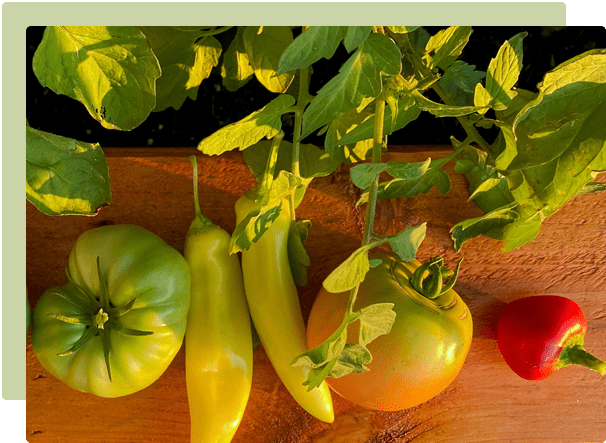

IN THE EDIBLE GARDEN November is all about sowing & planting! This is your main focus for the month, and there’s so much to choose from. Hopefully you’ve done some planning and know what you want to plant, and where you’re going to plant it. Consider your crop rotation plan (you can learn more about how to implement this in your garden here). Some favourite summer veggies to sow or plant this month are: cucumbers, sweetcorn, watermelons, tomatoes, eggplants, chillies, courgettes, capsicums, beans, beetroot, carrots, celery, parsnips, silverbeet, spinach… we really are spoilt for choice in November! If you grow them, a priority is getting those longer term crops like kumara and pumpkin in the ground now. Kumara takes between 120-150 days fully mature, and most varieties of pumpkin takes between 90 and 110 days - so get them in now so they’re ready for autumn harvest. Continue to successively plant those summery salad greens: spring onions, lettuce, radish, rocket, mesclun. Plant seed potatoes. Keep mounding soil onto new leaves; when you see flowers they are ready to harvest. Plant passionfruit - ensure it has a sturdy support structure nearby (a trellis or fence etc.) for it to climb as it grows. Feed your existing berry plants with Balanced Fruits & Berries Fertiliser. In warmer areas of NZ, the first of your berries may be ready to harvest! You can also still get in more strawberries, blueberries, boysenberries, blackberries, and raspberries for some sweet summer spoils. While you can grow brassicas (e.g. broccoli, cauliflower, cabbage) at this time of year, leaving them off the list this month can be a good way to prevent cabbage butterflies from taking hold. It’s one of those obvious tips, but we’ll say it anyway: grow what your family likes to eat. It’s easy to get swept away, planting a wide variety of exciting new summer crops. But if space is at a premium in your garden, focus on growing what you know works for your family, introducing 1 or 2 new types of crops to see how they do before committing to a whole garden full of them. IN THE FLOWER GARDEN Sow wildflowers, and plant swan plants to keep your local beneficial pollinators happy. Now is a good time to refresh pond plants - spruce your pond up with some fresh water lilies. Continue to plant dahlia tubers or cuttings. Plant snapdragon, sweet pea, sunflower, lobelia, gerbera, chrysanthemum, geranium, marigold, petunia, Queen Anne’s Lace, cornflower. Feed established flowering plants to give them a boost: Use Opulent Bloom Mix, or good old Worm Castings. TASKS THIS MONTH... Stake your tomatoes, and get some basil in nearby - this can enhance the the flavour. Marigolds are also a great companion plant for tomatoes, and will help to keep pests at bay. Maximise space in your garden by utilising vertical structures for beans, cucumbers and courgettes. Use a trellis frame, or create a teepee using bamboo stakes. Get your irrigation system set up for summer. Iriso has some great drip feeding options, or invest in a planter that has a built in reservoir (like the Mobile Vege Patch, Urban Oasis Planter, or the Urban Bloomer 48L). Or VegTrug has a Self Watering Kit which can be installed in the Classic Planter. Layer some mulch / organic matter around the base of fruit trees and in your veggie garden. This will help to conserve moisture as the days get hotter, and provide nutrients as they break down. Or, plant flowers to create a cheerful ‘living mulch’ - especially beneath plants that require pollination. Cornflower, calendula, and cosmos are some great options for this. There should be plenty of material for your compost heap as a result of spring clean up. If you don’t already have a compost pile or bin, now is the perfect time to get one started so none of that organic goodness goes to waste. Get in the habit of making daily stroll around your garden to remove / squash any pests you can find. This can be made into a fun activity with kids!

WHAT TO PLANT THIS MONTH October is a busy month when it comes to planting… If you’re anything like us, you’ll be (impatiently) counting down the days until you can plant out those heat-loving summer crops! But be patient and try to wait until the soil has really warmed up enough before getting them in the ground - for much of the country, this is around Labour Day / late October. In the meantime, you can continue to successively plant / sow veggies that your household enjoys; potatoes, cauliflower, broccoli, peas, beans, carrots, beetroot, spinach, rocket, and lettuce are some popular picks for spring. In the herb garden you can plant basil, coriander, chives, parsley and dill once the risk of frost has passed. Around Labour weekend (you might have to wait a bit longer if you live in a colder area), you can plant or sow the following directly into your garden beds: capsicums, chillis, cucumbers, sweet corn, melons, corgettes, pumpkins and tomatoes. Or you can tray sow them indoors now - use a heatpad or place them in a warm, sunny spot. Even though some of these seedlings are likely available in your local garden centre already, try to resist the urge to plant heat-loving veggies outdoors until the soil warms up a bit more! If you can’t wait until the end of the month, make sure any young seedlings are protected with a cloche. Remember to harden off your seedlings before planting them out; leave the seedling trays outside for a few days before transplanting. IN THE FLOWER GARDEN For a vibrant display of colour, plant sunflowers, cosmos, cornflower, borage, gerbera, zinnia, lobelia, marigold, petunia, sweet pea and begonia. Continue planting summer flowering bulbs - dahlia and gladioli. Stake your dahlias and taller perennials (the stake you use should be roughly two-thirds the height of the fully matured plant). Use an all purpose fertiliser or plant tonic to feed your flowering annuals and perennials. Plant more wildflowers! Sow them near your veggies to encourage beneficial pollinators. TASKS THIS MONTH... You’ve probably started to notice hoards of hungry slugs and snails out looking for food; they’re especially attracted to brassicas and leafy greens. Apply Tui Quash slug & snail Stoppa to prevent them munching on your seedlings, or sprinkle some natural NZ Wool Mulch around the base of plants to deter them. Neem is another great natural option - Grosafe BioNeem is an excellent organic choice. Prune back existing mint, thyme and sage plants to promote fresh new growth in time for summer. Keep feeding hungry crops: some great options are seaweed sprays (learn how to make your own here), Ocean Fert, EM1 Garden Concentrate, EM Garden Boost, and Rootella. All of which nourish the soil and give your plants essential nutrients to sustain them throughout the growing season. Collect organic matter to use as mulch in your garden beds: seaweed, leaves, cardboard, manure etc. From the sounds of it, we’re in for a particularly hot summer. That means now is the best time to get a garden water tank set up. Make the most of these spring rains, so you have plenty of water collected to keep your garden going once the hot weather hits. Look out for aphids and white cabbage butterfly caterpillar as they will also be actively looking for food. Use a tunnel or net cover to help keep them at bay. We’ve also heard of this simple but clever trick: make your own white butterfly out of paper and place it in your garden. Apparently white butterflies are territorial, it may help to deter them! Give it a go and let us know if it works for you…

