

The right gloves are the difference between an afternoon in the garden and an afternoon picking thorns out of your fingers. The trick is that no single pair does everything. Match the glove to the job and your hands will thank you.
Match the glove to the task
- General weeding and planting. A lightweight, breathable glove with a coated palm gives grip and dexterity without cooking your hands. The all-rounder most gardeners reach for.
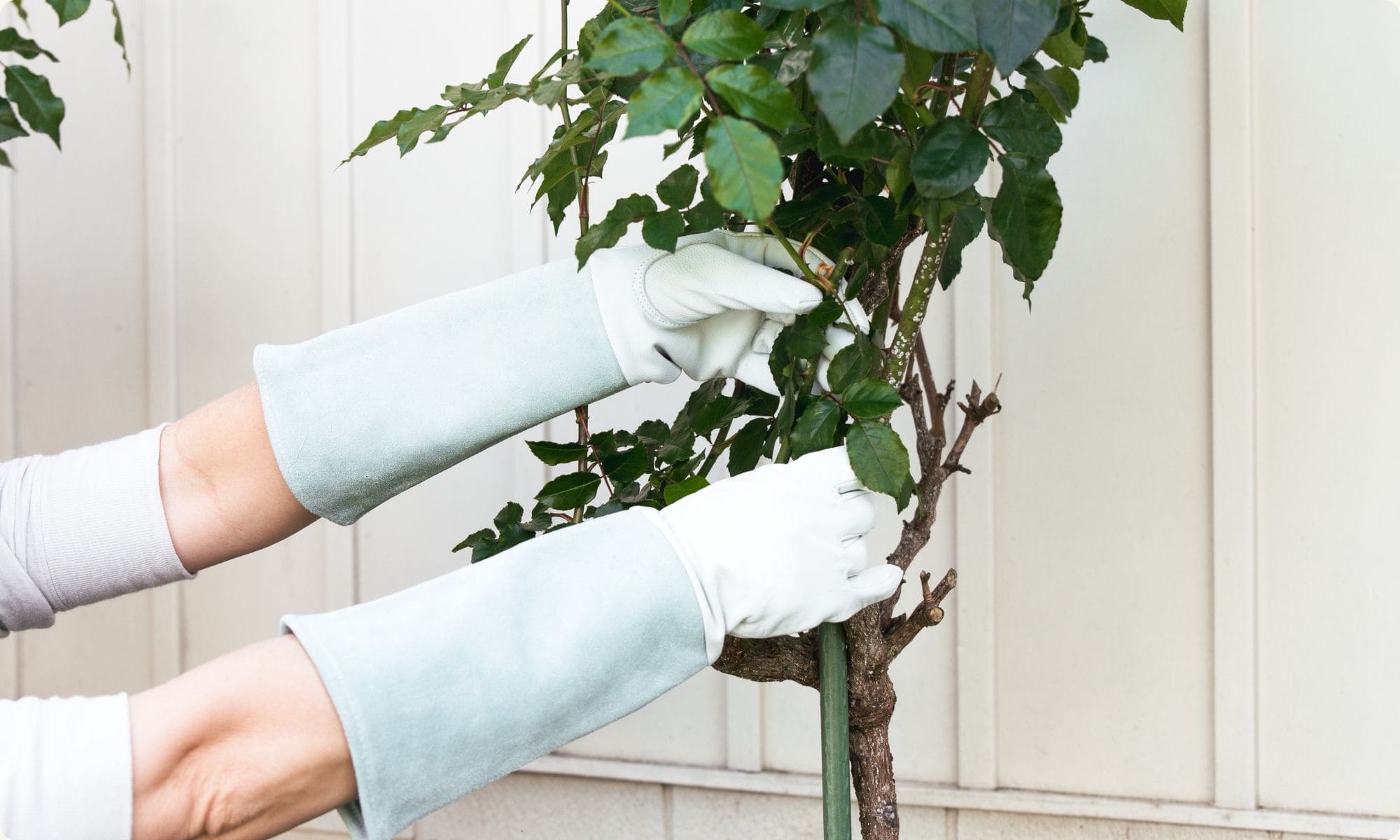
- Roses and anything thorny. You want thick leather or a gauntlet that covers the forearm. Thorns laugh at thin fabric. Pair with arm protection for serious pruning.
- Wet and muddy work. A waterproof or rubber-coated glove keeps your hands warm and dry through winter jobs and washing pots.
- Heavy digging and clearing. A tougher leather glove protects against blisters, splinters and sharp edges.
What materials last?
- Leather is the most protective and the longest-lasting, ideal for thorns and heavy work. It needs to dry out properly after wet jobs.
- Coated synthetics (a nitrile or latex palm on a knit back) give excellent grip and dexterity for fine work, and they are easy to wash. They wear out faster than leather.
- Fabric-only gloves are cool and cheap but offer little protection. Fine for light tidying, not much else.
Getting the fit right
Gloves should fit like, well, a glove. Too loose and you lose dexterity and get blisters; too tight and your hands ache. Check the fingertips reach the ends without bunching, and that you can still pick up a seed. If you garden in cold weather, leave a little room for the warmth of your hands.
Do not forget your arms
Gloves stop at the wrist, and roses do not. For pruning season, a pair of forearm sleeves saves you the scratches. Our Lynn River Rose Pruning Sleeves cover wrist to elbow, and they pair perfectly with the jobs in our winter pruning guide.
The bugg® take
Buy for the jobs you actually do. Most gardeners want two pairs: a dextrous coated glove for everyday weeding and planting, and a tougher leather pair for roses and heavy work. Browse Gloves & Arm Covers to find yours.
Quick FAQ
What gloves are best for pruning roses?
Thick leather gloves or gauntlets that cover the forearm. Thin fabric will not stop thorns. Add forearm sleeves for extra protection.
Are leather or coated gloves better?
Leather is more protective and longer-lasting for thorns and heavy work. Coated synthetic gloves give better grip and dexterity for fine jobs and are easier to wash.
How should garden gloves fit?
Snug but not tight, with fingertips reaching the ends without bunching. You should still be able to pick up a seed.
Protect your hands this season. Shop Gloves & Arm Covers.


