

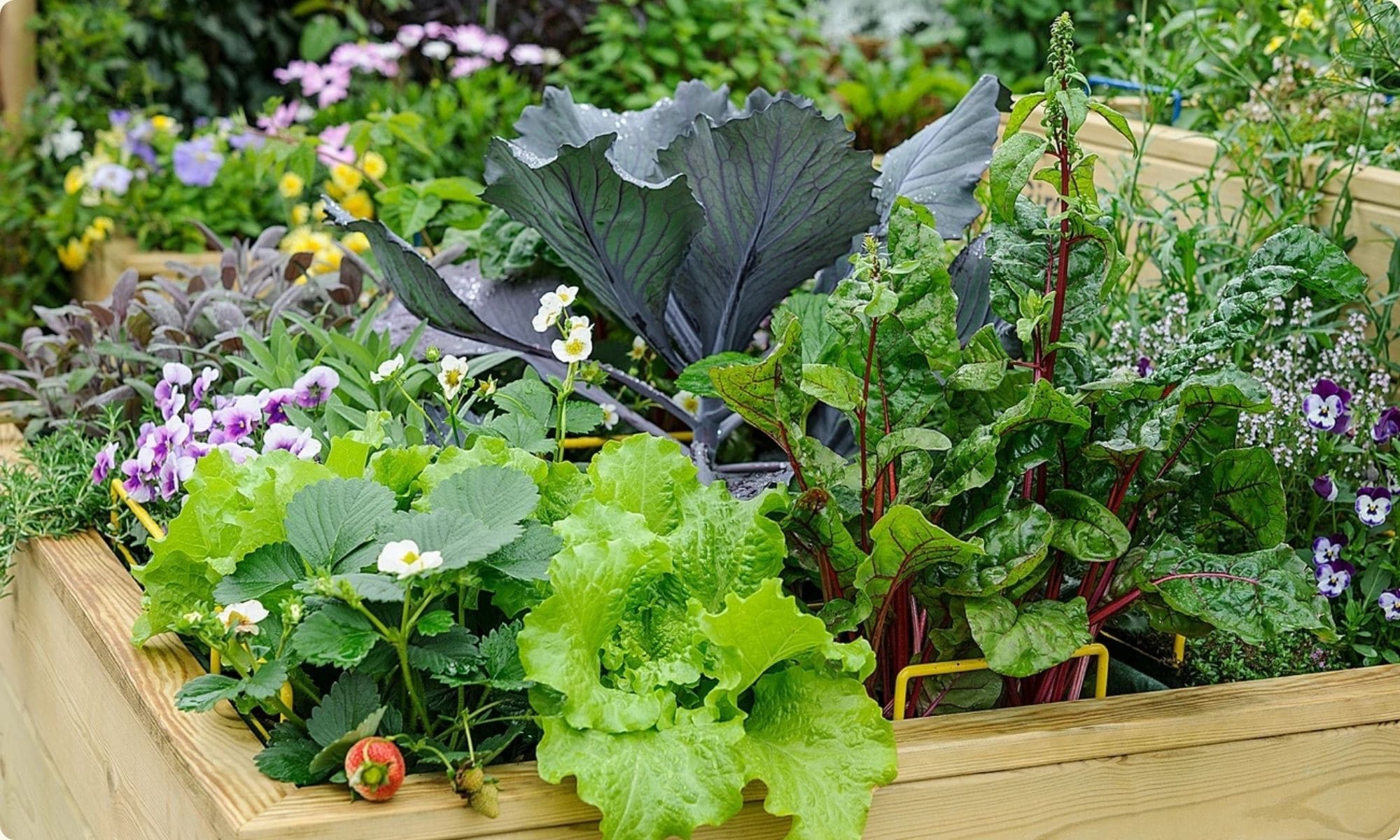
The oldest trick in the vegetable garden is also one of the simplest: grow the right plants next to each other, and they look after one another. Fewer pests, better pollination, and more food from the same patch.
Companion planting is the practice of pairing plants that help each other thrive. Some repel pests, some pull in pollinators, some shade the soil or feed it, and a few simply taste better for the company they keep. Here is how it works, and the pairings worth trying in a New Zealand garden.
What is companion planting?
It is the art of placing plants together for mutual benefit. Nature does not grow in tidy single rows, and a mixed planting is more resilient than a block of one crop. Companion planting borrows that idea: build little plant partnerships that cut down on pests, feed the soil, and make the most of every bit of space.
Why it works
- Pest control. Strongly scented herbs and flowers confuse or repel the insects that hunt by smell. Marigolds are famous for deterring whitefly and nematodes.
- Pollination. Flowers planted among your veg pull in bees and hoverflies, which means better fruit set on tomatoes, beans and courgettes.
- Natural pest predators. Plants like alyssum and calendula attract the good bugs, ladybirds and hoverflies, that eat aphids for you.
- Space and shade. Tall plants shelter tender ones, and ground huggers like lettuce make use of the soil beneath taller crops.
- Soil health. Legumes such as beans and peas fix nitrogen, leaving the soil richer for the crop that follows.
Classic pairings that work
Tomato, basil and marigold. Basil is said to improve tomato flavour and repels whitefly, while marigolds guard the roots. A classic trio for a reason.
Carrots and onions. Onions and other alliums mask the scent that draws carrot fly, and the carrots return the favour against onion fly.
The three sisters: corn, beans and squash. Corn gives the beans something to climb, beans feed the soil with nitrogen, and sprawling squash shades out weeds. An entire system in one bed.
Brassicas and aromatic herbs. Plant dill, rosemary or sage near your broccoli and cabbage to throw the white butterfly off the scent.
Lettuce under taller crops. Quick, low lettuces and salad greens happily fill the space and shade beneath beans, tomatoes or brassicas.
What to keep apart
A few plants are better off as neighbours than roommates. Keep onions and garlic away from beans and peas, as the alliums can stunt them. Fennel is a loner that suppresses many vegetables, so give it its own corner. And keep potatoes and tomatoes apart, since they share the same diseases.
How to start
You do not need to redesign the whole garden. Tuck a few flowers in among the veg, edge your beds with calendula and alyssum, and slot herbs between your rows. Start with one or two of the pairings above and build from there as you see what works in your patch.
Go deeper
If you want the full picture, Brenda Little's Companion Planting in New Zealand is the local classic, an easy reference for what to plant with what, written for our conditions.
Quick FAQ
Does companion planting actually work?
Many pairings have strong traditional and observational backing, especially pest deterrent flowers and pollinator attractors. Treat it as one helpful tool alongside good soil and crop rotation, not a magic fix.
What is the best companion plant for tomatoes?
Basil and marigold are the classics. Basil may improve flavour and deters whitefly, and marigolds protect the roots.
What should you not plant together?
Keep onions and garlic away from beans and peas, fennel away from most vegetables, and potatoes away from tomatoes.
Ready to plan your patch? Pick up Companion Planting in New Zealand, and for richer soil to plant into, read our guide to improving your soil.


