

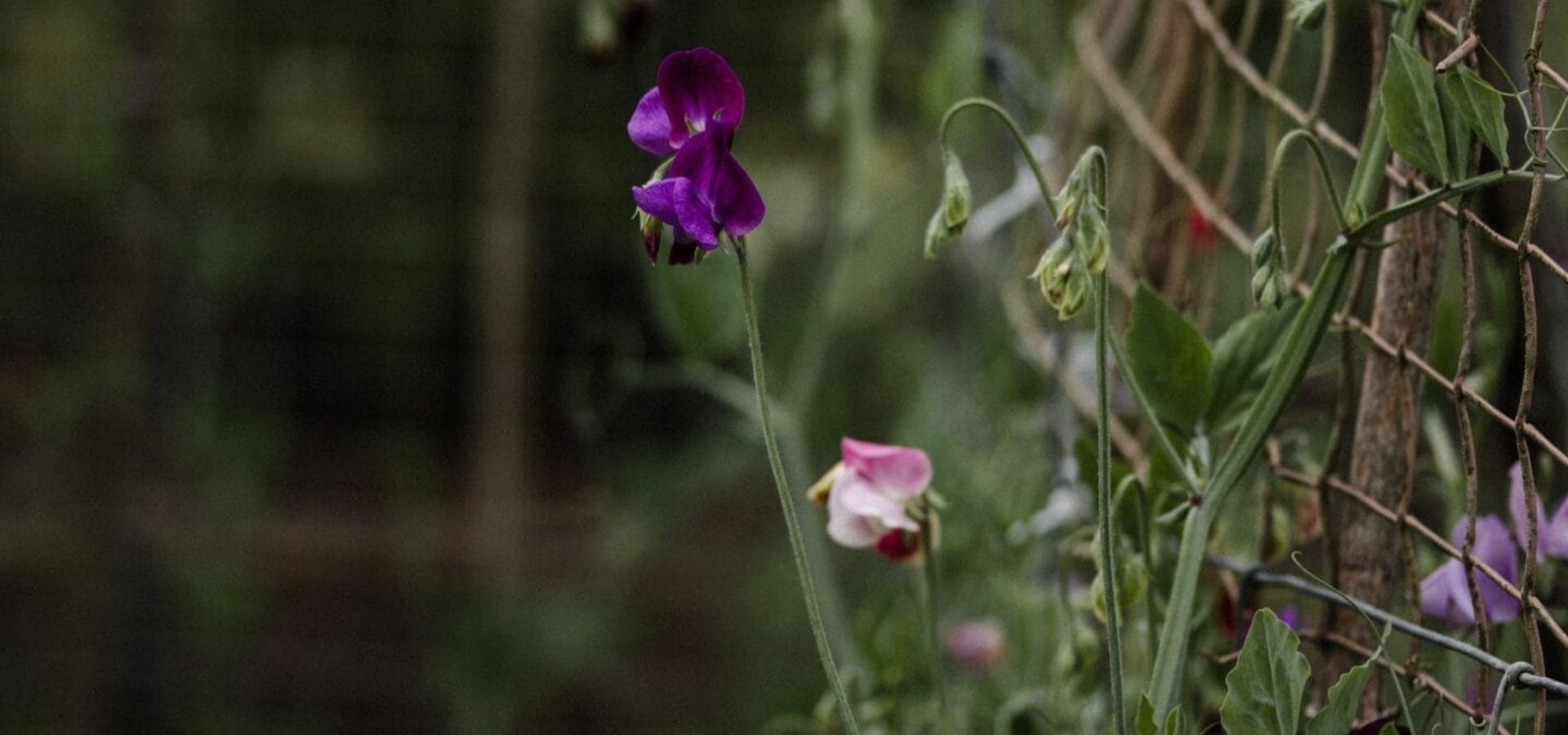
The garden does not ease gently into spring. It erupts. Everything wants to happen at once, and the gardener who is ready for it gets the most out of it.
September to November in New Zealand is when the garden shifts from patient to urgent. Soil temperatures are rising, frosts are mostly done, and the plants are moving. So should you.
First job: check your tools
Spring is the season of high tool usage. Before you reach for your secateurs, run a sharpening stone along the blade. After a winter of sitting idle — or worse, a winter of hard pruning — the edges will need attention. A sharp start to the season saves time and protects your plants.
This is also a good moment to oil pivot points, tighten any loose screws, and replace any tool with a cracked handle. A broken handle mid-session is one of gardening's more frustrating interruptions.
Pruning: the spring edition
Spring pruning is the optimistic kind. You are cutting to encourage growth, shape plants before they put on their main flush, and remove anything that did not make it through winter.
Roses: hold off until you see the first signs of red leaf buds swelling. Prune to an outward-facing bud at a slight angle, about 5mm above the bud. Remove any dead, crossing, or inward-facing canes. This is classic bypass-secateur work — a clean cut matters here.
Fruit trees: most hard pruning should have been done in winter, but spring is the time to remove any water shoots that emerge. Snip them out early and often.
Ornamentals: prune back frost-damaged growth as soon as the risk has passed. Cut back to healthy wood.
Soil preparation
Fork through lightly to aerate — not deep digging, just loosening the top layer. Mix in any remaining compost. Let the earthworms do the deeper work. If beds are bare and you want to get seeds or transplants in, rake the surface smooth, firm gently, and mark your rows.
Seed raising and planting
The urge to plant everything at once in September is real and should be partially resisted. Wait until overnight temperatures are reliably above 10 degrees before going in with frost-tender crops like tomatoes, courgettes, and basil.
Hardy crops — peas, broad beans, silverbeet, brassicas, lettuces — can go in now. Direct sow if your soil is workable, or start in trays if it is still wet and cold.
The spring tool kit
What to have sharp and ready: secateurs for pruning, a good spade or fork for soil work, a trowel for transplanting, a hoe for emerging weeds, and snips for harvesting anything overwintered.
Weeds know spring is here before you do. A sharp hoe used early and often — slicing weed seedlings at soil level before they root — is far less work than hand-weeding established plants later.
Shop the Spring Seedlings collection at bugg.co.nz/collections/spring-gardening-essentials.


