

The New Zealand Gardener's Guide to Growing Garlic
Garlic is one of the most rewarding crops you can grow in a New Zealand garden. It's easy, relatively pest-free, stores well, and a single clove planted in autumn returns a full, flavoursome bulb by summer. Whether you have a large vege patch or a few pots on a balcony, garlic earns its place.
When to Plant Garlic in New Zealand
Garlic is a cool-season crop that needs a period of cold to develop properly. In New Zealand, the ideal planting window is late April through to late June, with May being the sweet spot for most of the country. Planting too late into winter can mean the garlic doesn't get enough cold hours; planting too early in autumn can result in excessive leafy growth before bulbing begins.
In warmer northern regions (Northland, Auckland), aim for late May to June. In cooler southern and inland areas (Canterbury, Otago, Southland), April to early May works well.
Choosing the Right Garlic Variety
Hardneck and softneck are the two main garlic types, and both grow well in New Zealand.
Hardneck varieties like Purple Stripe and Rocambole are more flavourful, easier to peel, and better suited to colder climates. They produce a scape (a curling flower stalk) in spring that's delicious sautéed.
Softneck varieties like Silverskin and Artichoke store longer (up to 12 months), are better for warmer regions, and are the type most commonly found in supermarkets. For growing your own, hardneck varieties are often preferred for their flavour complexity.
Always plant certified seed garlic rather than supermarket bulbs. Supermarket garlic is often treated to suppress sprouting and may carry disease.
Preparing Your Soil
Garlic needs free-draining, fertile soil with a pH of around 6–7. Waterlogged ground is the enemy — it causes the bulbs to rot. If your soil is heavy clay, work in compost or plant in raised rows to improve drainage.
Before planting, dig in a generous amount of well-aged compost. A balanced vegetable fertiliser or blood and bone worked into the bed a week before planting gives your garlic a strong start. Garlic is a heavy feeder and repays soil investment handsomely.
How to Plant Garlic
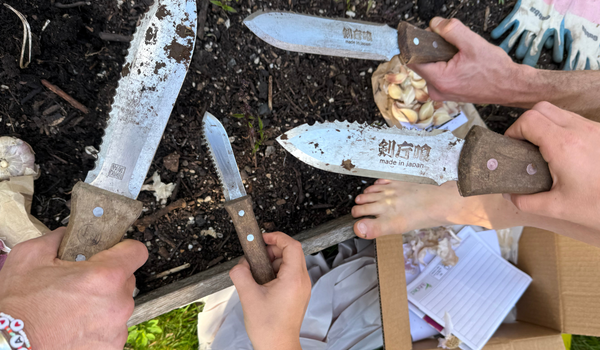
Break each bulb into individual cloves just before planting — don't do this weeks in advance or the cloves will dry out. Choose the largest, fattest cloves for planting; smaller inner cloves can be used in the kitchen.
Plant cloves 3–5cm deep with the pointed end facing upward, spacing them 15cm apart in rows 30cm apart. Firm the soil gently and water in. In cold regions, a mulch of straw or pea straw helps regulate soil temperature and suppress weeds through winter.
Caring for Garlic Through the Season
Garlic is largely self-managing through winter. Keep the bed weed-free — garlic doesn't compete well — and water only if conditions are very dry. As spring arrives and growth picks up, a liquid feed every few weeks encourages strong bulb development.
If you're growing hardneck varieties, remove the scape when it curls in late spring. This redirects the plant's energy into bulb development rather than seed production.
When to Harvest Garlic
Garlic is ready to harvest when roughly half the leaves have turned brown and died back — typically November to December in New Zealand. Don't wait for all the leaves to die; if you leave garlic in the ground too long the bulb wrappers deteriorate and it won't store well.
Loosen the soil with a fork rather than pulling the stems (which can break), and lift the bulbs carefully. Brush off excess soil but don't wash them.
Curing and Storing Garlic
Freshly harvested garlic needs to cure before storage. Lay the bulbs in a single layer in a warm, well-ventilated, shaded spot for 3–4 weeks. The skins will dry and the flavour will intensify. Once cured, softneck varieties can be plaited; hardneck varieties are better hung in bunches or stored in a cool, dark, dry place. Properly cured garlic stores for 6–12 months.
Shop the collection
Trowels & Planting Tools


