

The black sunken bottom you keep getting
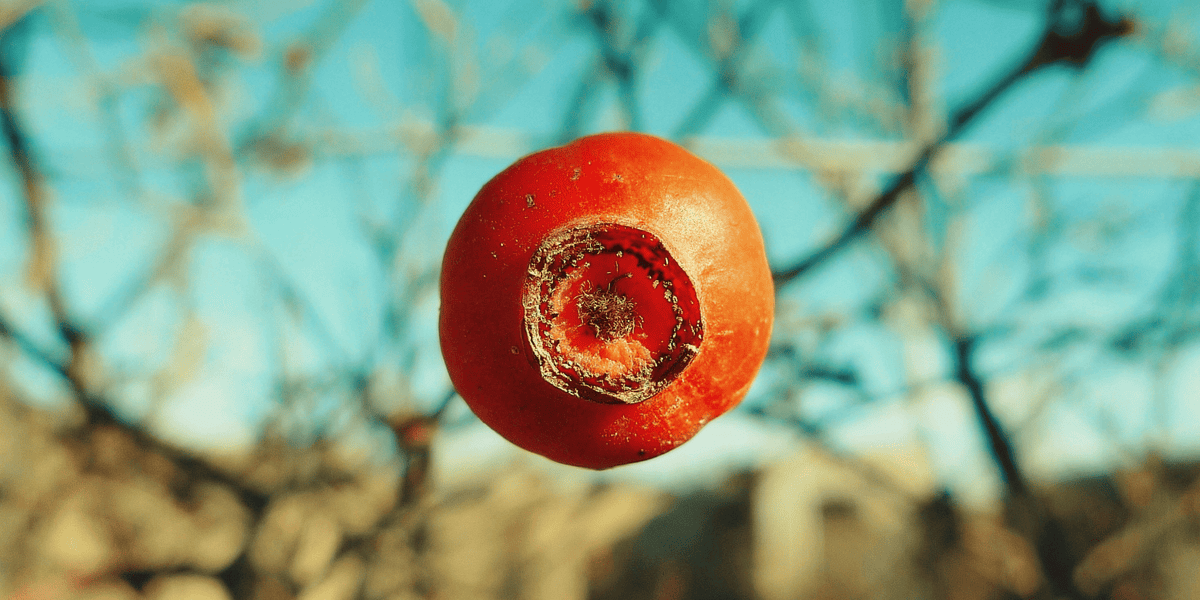
You walk out to inspect your tomatoes. They're looking good from above. Then you pick one up and the bottom is black, sunken, and leathery. The rest of the fruit looks fine, but the blossom end is rotting from the inside out.
That's blossom end rot, and it's the most common tomato disorder in NZ gardens. The good news: it's not a disease. The slightly bad news: most of the standard fixes don't actually work.
The real cause
Blossom end rot is a calcium deficiency in the fruit. But it's almost never a calcium deficiency in the soil.
The plant has plenty of calcium. It can't move the calcium to the fruit fast enough. The blossom end (the bottom of the fruit) is the furthest point from the roots. When water uptake is uneven, calcium can't reach the cells there, and those cells die.
The real cause is irregular water. Not low calcium. Not bad soil. Water.
Why everyone says 'add calcium' and why it usually doesn't help
The standard advice for blossom end rot is: add lime, add crushed eggshells, add gypsum, foliar spray with calcium. Sometimes this helps. Most of the time it doesn't.
The reason: the plant already has enough calcium. It just can't move it. Adding more calcium to the soil doesn't help with the transport problem.
The exception: if your soil genuinely is calcium-poor (sandy, acidic, never had compost added), then yes, lime or eggshells will help. Get a soil test before assuming.
The actual fix
- Water deeply and consistently. This is 90 percent of the fix. Aim for steady moisture, not flood-and-drought cycles.
- Mulch heavily. 8 to 10cm of straw or pea straw evens out soil moisture.
- Don't over-fertilise with nitrogen. Excess nitrogen drives leafy growth that competes with the fruit for water and calcium.
- Don't disturb the roots. Mulch instead of hoeing. Damaged roots can't take up water consistently.
- Pick the affected fruit. The rotten ones won't recover, but new fruit will set normally if you fix the water rhythm.
When calcium does help
If your garden is on:
- Sandy soil that never had lime added
- Acidic soil (pH below 6)
- Container-grown plants in tired potting mix
Then a calcium boost can help.
What to add:
- Garden lime (calcium carbonate) at the start of the season, dug into the soil
- Crushed eggshells in the bottom of the planting hole
- Gypsum for container plants
- Bone meal for slow-release calcium and phosphorus
Foliar calcium sprays mostly don't help with blossom end rot. The calcium doesn't move from leaves to fruit efficiently. Skip them.
The varieties most prone
Some varieties get blossom end rot worse than others. The usual offenders:
- Roma and other paste tomatoes (most prone of all)
- Beefsteak heirlooms
- Large cherry varieties grown in containers
The less affected:
- Cherry tomatoes in general
- Modern F1 hybrids bred for resistance
- 'Money Maker', 'Sungold', 'Sweet 100'
Container-grown tomatoes
Pots dry out faster than beds. Container tomatoes are the most prone to blossom end rot of all. Three rules for containers:
- Use the biggest pot you can manage (40+ litres minimum)
- Self-watering planters help massively
- Water daily in hot weather, twice if needed
The honest bit
Blossom end rot isn't a calcium problem. It's a water problem with a calcium symptom. Fix the water, fix the rot. Skip the eggshells unless your soil actually needs them.
Welcome to the dirt cult. We water on a calendar.


