

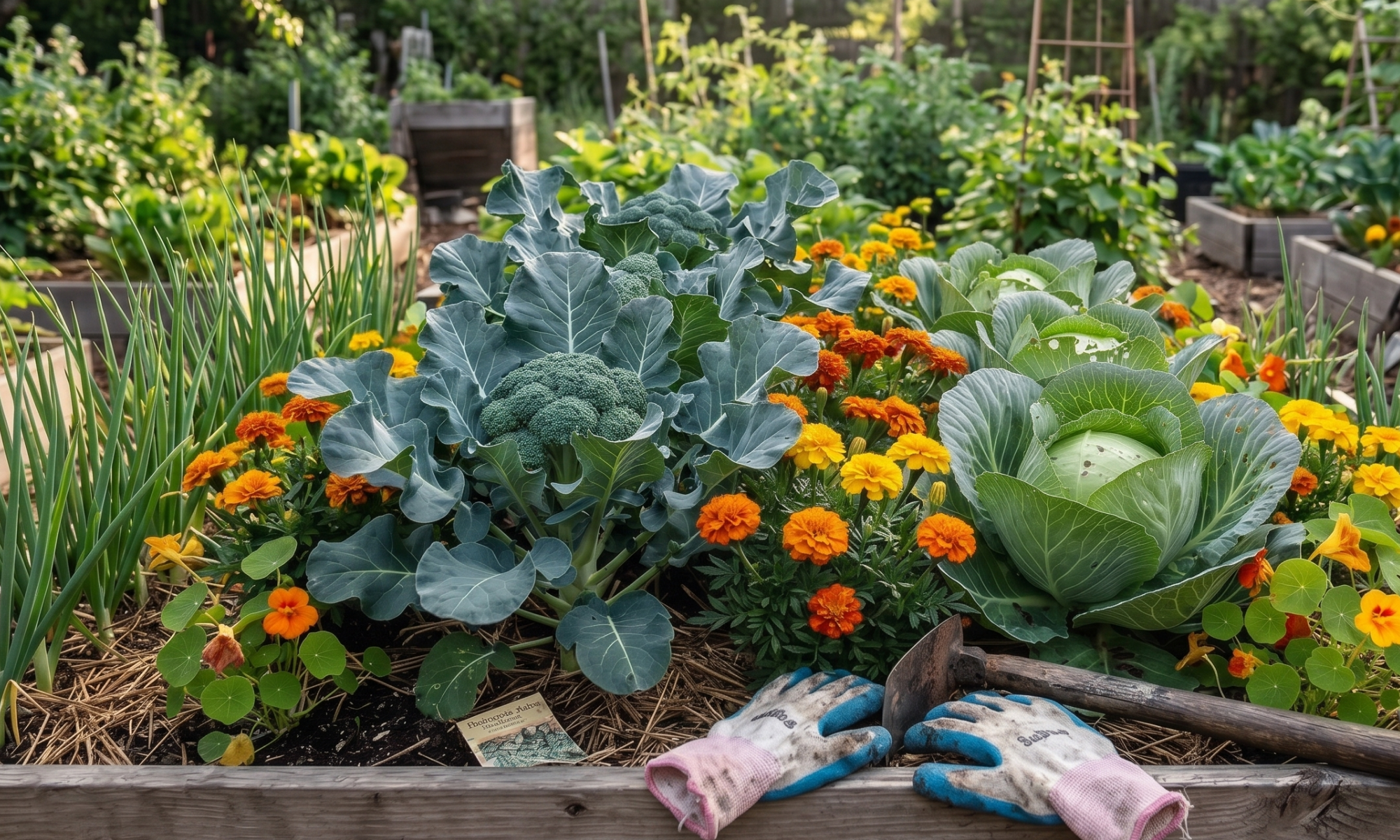
The brassica family, briefly
Cabbage, kale, broccoli, cauliflower, kohlrabi, Brussels sprouts, bok choy, mustard greens, swede, turnip, mizuna, radish. All brassicas. All cousins. All wanting more or less the same things and attracting more or less the same pests.
Brassicas are the engine of a winter vegetable patch. Nothing else gives you this much cold weather food. Once you understand what they want, you can grow them by the bucket.
What brassicas actually want
- Firm, alkaline soil. Add lime if your soil tests acidic.
- Plenty of nitrogen. They're greedy leaf machines.
- Cool weather. They love autumn, winter, and early spring. They sulk in heat.
- Consistent water. Stress makes them bolt or get bitter.
- Pest protection. More on this in a minute.
Brassicas hate sour, sandy, dry soil and will tell you so by going purple, refusing to head up, or just sitting there like a small green disappointment.
When to sow in New Zealand
You can grow brassicas almost year round in most of NZ.
- Spring (Aug to Nov): sow broccoli, cauliflower, cabbage, kohlrabi for summer harvest.
- Summer (Dec to Feb): sow Brussels sprouts, winter cabbage, sprouting broccoli for autumn and winter.
- Autumn (Mar to May): sow kale, winter spinach, mizuna, mustard, broad beans (not technically a brassica but they like the same bed).
- Winter (Jun to Jul): sow under cover for early spring. Bok choy and mizuna will sit in the ground all winter in milder regions.
Sowing and planting
Start most brassicas in trays or small pots, then transplant. They handle the move well and you'll lose less to slugs while they're small.
Space matters. A cabbage wants 45cm. A broccoli wants 40 to 50cm. Cauliflower the same. Brussels sprouts want 60cm and stakes (they get top heavy). Kale will deal with 30cm. Bok choy and mizuna can be tighter.
Plant them slightly deeper than they were in the pot, firm the soil around the stem, water in well. Firm soil matters more than people realise. Wobbly stems lead to wobbly plants and stunted heads.
Feeding and watering
Mulch around the base to keep the soil cool and damp. Liquid feed fortnightly with seaweed or fish emulsion once they're established. A side dressing of compost halfway through the growing cycle does wonders.
Brassicas drink. A dry brassica is a bolting brassica. Water deeply rather than often.
Pests, the brassica gardener's lifelong struggle
Brassicas attract a small army of pests. The big four:
- Cabbage white butterfly. Lays yellow eggs under leaves, eggs hatch into green caterpillars that strip plants overnight. Defence: insect mesh from day one, hand removal, dipel spray.
- Cabbage aphid. Grey, fluffy, clustered on tips. Squish or spray with a jet of water.
- Slugs and snails. Devastating to young transplants. Beer traps, copper tape, or just go out at night with a torch.
- Clubroot. A soil disease that swells roots into useless lumps. Don't grow brassicas in the same bed two years in a row. Lime helps.
Insect mesh is the single biggest favour you can do yourself. Throw it over the bed the moment you transplant and don't lift it until you harvest. Less cabbage white butterfly equals less heartbreak.
Harvest tips
Broccoli: cut the central head before the buds open. Smaller side shoots will follow.
Cauliflower: pick when the head is firm and tight. If it's gone fuzzy, you waited too long.
Brussels sprouts: pick from the bottom up as they firm. Frost makes them sweet.
Cabbage: cut when the head feels heavy and dense.
Kale and silverbeet: outer leaves only, leave the centre alone, they'll keep producing for months.
The honest bit
Brassicas reward the gardener who prepares properly and shows up consistently. The good news: they're easy once you've done it once. The better news: a winter garden of broccoli, kale, cabbage, and sprouts will feed you for months and look incredible in the process.
Welcome to the dirt cult. We don't fear the cabbage white.


