

News
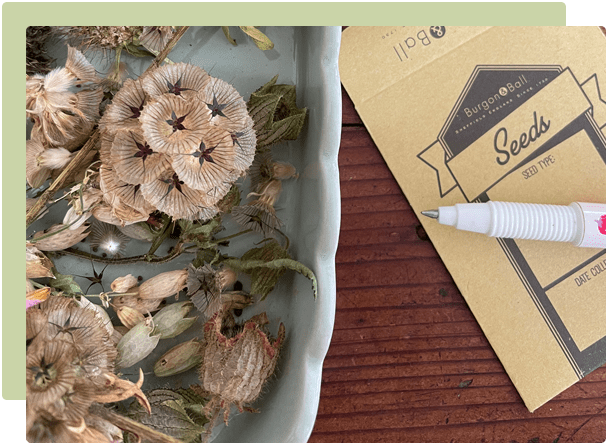

IN THE EDIBLE GARDEN In March you can plant the following in most areas of the country… beetroot, blueberry, bok choi, broad bean, broccoli, brussels sprouts, cabbage, cauliflower, carrot, celery, coriander, feijoa, kale, leeks, lemon, lettuce, lime, mandarin, mesclun, onion, orange, parsley, radish, rocket, silverbeet, spinach, spring onion. This lovely late-summer, early autumn period is a great time for sowing winter veg crops, as the temperatures are cooling but the soil is still warm enough for quick germination. As the season begins to turn and we look towards our winter veg, keep crop rotation in mind. Try not to plant veg from the same family in the same spot each year. Each growing season you should plant each 'family' of vegetables in a different position in the garden; read more on crop rotation here. HARVESTING Regularly harvest the last of your berries, tomatoes, beans, zucchini and cucumbers. Picking fruit and veg each day encourages late fruiting & growth (and also helps to keep pests at bay). Potatoes are ready for harvest when the tops have died back. Your pumpkins may be ready this month too. Kumara is ready to dig up once the leaves start to yellow. Dig up 1 or 2 to start with and check for things like size and firmness. Cut one in half and watch how quickly the cut sides dry - if they dry fast, the kumara is ready for harvest & storage. Dig up onions when the tops have gone brown. If the weather is good, leave them out on top of the garden bed to dry out for a few days - this helps them store better. IN THE FLOWER GARDEN Pull up your summer annuals once they have finished flowering (sunflowers, cosmos, marigold etc.) Plant winter flower seedlings such as snapdragon, alyssum, cosmos, pansy, poppies, viola, primula, polyanthus, cornflower, calendula, cineraria, lobelia, sweet peas, marigolds, etc. Deadhead / pick zinnias, roses, dahlias, echinacea, gladiolus, lilies, scabious, sweet peas. Your favourite spring flowering bulbs are in garden centres now! Getting some early bloomers in now means you’ll be able to enjoy early spring colour: Plant daffodil bulbs any time from late February to the end of May. Pick a cool spot for your hyacinth bulbs and plant throughout March and April. Other bulbs to plant now include crocus, bluebells, tulips, snowdrops and freesias. If you particularly like one type of flower, stagger your planting of that one variety. By planting a number every two weeks you’ll find you can extend your blooms (and picking) by a month to six weeks. Read more on that here. Most spring-flowering bulbs need consistent cool temperatures over winter (below 10°C during the day) in order to produce a flower bud. If you live in a warmer area you’ll likely need to pre-chill your bulbs before getting them in the ground; read more on pre-chilling here. Use a bulb planter (like this one from Sneeboer) for the most efficient planting! TASKS THIS MONTH... ☑ Seed saving: Save seeds from tomatoes, cucumbers, melons, beans, cucumbers, pumpkins and courgettes. Dry & store in labelled envelopes so they’re ready for spring-time sowing. We also have gorgeous Seed Storage Tins to help you keep things organised. ☑ Preparing your garden beds: It’s important to revitalise your soil after a busy growing season. You can do this by digging in some organic matter (compost, manure, seaweed, etc.) or by sowing some cover crops. Cover crops (like this clover blend) add nutrients back into the soil, and the nitrogen improves soil structure. You can read more about the benefits of cover cropping & how to do it here. ☑ Make the most of the warmer temperatures and abundant organic matter at the moment by composting! Fresh compost is the BEST way to improve your soil, and in turn your garden. If you don’t already have a compost bin, check out our range here. ☑ Divide your perennial herbs: thyme, chives, rosemary, sage.

When it comes to cultivating a thriving & happy home garden, there’s one easy practice we think everyone should try: cover cropping! It’s an easy technique that involves planting specific crops not for harvest, but to revitalise your garden soil. Cover crops (also known as green manure, green crops, or manure crops), are quick to grow, require very little maintenance, and improve soil structure & quality by replacing lost nutrients. Read on to learn about the benefits of cover crops, how to choose the right ones for your garden, and some simple steps you can follow to get started with cover crops in your garden. The Basics of Cover Crops Cover crops are typically planted during periods when the garden bed would otherwise be empty, such as after harvesting your main crops or during the ‘off’ season. Instead of leaving your soil bare, cover crops step in to protect and improve your soil. Once you’re done with your cover crops, they can be used as mulch and added back into the soil as valuable organic matter. The Benefits of Cover Crops Soil Enrichment: Cover crops act as natural fertilisers, enriching the soil with essential nutrients. Legumes, like clover and peas, even have the ability to fix nitrogen, providing an organic source of this vital nutrient for your plants. Weed Suppression: A well-established cover crop creates a living mulch that helps suppress weeds. By shading the soil, cover crops reduce the chances of weed germination. Erosion Prevention: The roots of cover crops help bind the soil together, preventing erosion. This is especially important in areas with heavy rainfall or sloping terrain. Pest Control: Some cover crops release natural compounds that can repel or inhibit the growth of certain pests. This can contribute to a healthier, more balanced garden ecosystem. Choosing the Right Cover Crops Selecting the right cover crops for your garden depends on various factors, including your location, climate, and specific needs in your garden (i.e. soil improvement or pest prevention). Here are a few popular cover crop varieties to consider: Legumes: Clover and peas are excellent choices for adding nitrogen into the soil, improving soil fertility, and attracting beneficial insects. Grasses: Annual grasses like rye and oats work well for suppressing weeds and adding organic matter to the soil. Brassicas: Plants like mustard and radishes have deep roots that help break up compacted soil while also providing pest-resistant qualities. Mixes: Plant a mix of cover crops to enjoy a combination of benefits. For example, a mix of clover and rye can provide both nitrogen fixation and weed suppression. You can buy cover crop seed mixes, or mix your own varieties depending on what your specific garden needs this season. Implementing Cover Crops in Your Garden When should I sow cover crops?Typically, cover crops are sown in late summer, or in autumn after harvesting your main crops. How do I sow cover crops?Spread the cover crop seeds evenly over the soil surface. Lightly rake or pat them into the soil to ensure good seed-to-soil contact. Maintaining your cover cropsOne of the best parts of cover cropping is the minimal maintenance required. Just keep an eye on your cover crops as they grow; if they become too tall or start flowering, mow or cut them down before they go to seed. Making way for your main cropsAbout 4-6 weeks before it's time to plant out your main crops again, chop down your cover crops and either dig/till them back into the soil or leave them as mulch. Make sure you chop them down while the stems are still soft and green. Giving the crops a few weeks to incorporate back into the soil before replanting is key! Cover cropping is a simple technique that can have a big impact. It’s a natural, easy, and affordable way to enhance soil fertility and contribute to a more sustainable and resilient garden ecosystem. So don’t leave any garden beds empty this “off” season, get some cover crops in to do the hard work for you! We have a pre-mixed Cover Crop blend available here. It has been created here in NZ to suit our environment, and contains a diverse seed mix that has been carefully selected for its nitrogen-fixing capabilities, robust defense against pests and diseases, and facilitation of organic matter breakdown.

Creating a garden from a blank slate is not common unless you are building a new house. And even then, depending upon the developer, you might find it's done for you before you move in! Whether you find yourself in the lucky position of a clean slate or you're working with an existing garden, here are some questions to think about and answer before you get ahead of yourself and start buying plants without a plan... Lifestyle What uses does the space have to accommodate? For example; outdoor entertaining with friends, play space for kids, pets, overflow car parking, growing your own fruit and veges, exercise space? What are some things you would love to have in the garden? For example, patio/deck for indoor-outdoor flow and BBQ area, water feature, big lawn/no lawn, plants to attract birds or bees, specific plants or colours you love, a vegetable or herb garden, a picking garden, a quiet space to sit, and the list goes on. What are the priorities of the needs and wants listed above and are they compatible with each other? Compromises may have to be made. How much time can you spare to work in the garden, and do you actually enjoy gardening? This will help determine the maintenance level for the garden and the planting style. Are there mobility issues to consider? For example, are changes of levels or materials practical, are the paths and gates wide enough, do garden beds need raising? Super important - what is your budget? Who is going to do the hard landscaping - paths, decks, raised planters and so on. Who is going to do the soil prep work and who will do the planting? Hard landscaping can add up very quickly so choose your materials and sizes thoughtfully. How long are you prepared to wait for your garden to reach 'design maturity’ i.e. when it looks established? If you are in a hurry, you will need to choose bigger plants and again, these can add up very quickly. If you are prepared to wait, you can use smaller size plants which are cheaper. Site Analysis Then we move on to questions about the site - this is called site analysis in the landscape design field. We are looking at the physical site and what we are working with. It can be useful to draw a bubble diagram over a site plan so you can see how different factors interact. Sunlight - How does the sun move across the site, where are the full sun spots and shady spots? Shape of the land - is it a simple flat site or are there levels that need to be dealt with to make practical spaces? Shelter - Where does the prevailing wind for your area come from? Does the wind tunnel through parts of the site and require filtering with plants? Soil - What are you working with? On a building site the topsoil is generally scraped off the whole site and then brought back on, but what is the base you are working with? Clay? Sand? A type of loam? If you are dealing with the extreme of clay or sand, you have the opportunity to improve the soil by adding gypsum over clay and plenty of organic matter in either situation. If you are creating a garden on a clay base or even with a hard pan, it is important to do plenty of preparation before planting. Ask your local garden centre who should be able to give you solid, local advice. Drainage - this is linked with the above topic; are there areas that water pools on site or water that travels over the site? It is a useful exercise to dig a hole at least a spade depth and pour a bucket of water in and see how long it takes to drain away. Anything more than 30 minutes and you are dealing with poor drainage. Access points - what are the different areas or features around your house or yard that you need to access and how are you going to move around the space - you can also call this 'circulation' within the space. Designing your paths and gateways is important to get right! Power points / Utilities - do you have any outside, what do you need them for and where should they go? This includes things like clothes lines, wheelie bins, compost bins and garden sheds. Surrounding properties / land - Are there any views you want to maintain, objects you want to block, noise you want to filter? Once you have answered these questions, you should have a solid understanding of the site you are working with. The different answers will help you make correct decisions at different points throughout the design process. They will also help you choose the right plants for the right places. Please take the time to do your homework. It will save you time and money in the long run! Written for Gubba by Kelly Jean Reyland from Garden Advice NZ (www.gardenadvice.co.nz)

There's no single answer to reducing water use in your garden, rather it's a combination of different factors that make your garden a waterwise space. If you're interested in caring for the natural resources you have available to you - starting with looking after your water use is a great place to start. Make your soil work with you Clay soil and sandy soil have very different attributes and behave differently under the same conditions. Clay soil particles are incredibly small and packed tightly together. They don’t drain well, and they often have plenty of nutrients, but they aren’t easily accessed. Sandy soil particles are large with lots of spaces which means water drains very quickly – often before the plant can use it and the water will usually take the nutrients with it, leaving soil low in nutrients. We improve our soil structure by adding organic matter and adding it regularly. Organic matter; aged animal manure, fallen leaves, kitchen waste, seaweed... It works by breaking up clay particles, enabling water to pass through and roots to grow and access the resources. Organic matter helps glue large sand particles together, helping to hold more moisture and stop the leaching of nutrients. Please be aware that this change doesn’t happen overnight or with one load of organic matter. You have to play the long game, adding organic matter regularly throughout the year. How does this help us be waterwise? If our soil can both drain and still retain moisture, you have the perfect balance. The soil will hold moisture-a bit like a sponge-that the plant can access later when it needs it. If the soil is also able to drain any excess moisture, there is still plenty of oxygen for the roots to thrive. We must irrigate more to get the plant adequate water while allowing for the losses if soil is too free draining. If the soil doesn’t drain, such as where peoples soil has a clay ‘pan’, the water has nowhere to go, and the plant roots sit in water for days often resulting in root rot and death of the plant. Planning your garden It is helpful to group similar plants together, into what are called ‘hydro zones’. This enables you to direct resources efficiently, rather than having to drag a hose around the whole garden or irrigate the entire garden. Consider grouping into these zones > Regular irrigation (i.e. your vegetable garden or potted plants): every 2-4 days > Reduced irrigation: receives irrigation every 4-14 days > Drought irrigation: only watered during dry spells after plants are established > No irrigation: not irrigated at all In an existing garden, draw a plan of your garden and consider what you have planted and how you can make it work better for you. This may involve removing some plants into a different area or replacing high maintenance/regular irrigation plants with tougher, drought tolerant plants in other areas. The right plant for the right place Get back to the basics - choose plants that suit the situation they will be planted in. Full sun – part shade – full shade. Drought tolerant – moisture loving. If you plant correctly, the plant will thrive once established, needing fewer resources to be regularly added. If you are planting in pots, you can of course choose the light level for where the pot will be located. The drainage is almost always free draining unless the drainage holes get blocked. Potted plants require regular monitoring for moisture levels. Irrigation Most people irrigate for too long and too often. Often an electronic timer is to blame as we ‘set and forget’. We fail to consider the timer can’t tell if it has rained or if the soil is still damp and doesn’t need more water; it just does its job. It's up to us to monitor the situation and irrigate when needed! Plants will recover from being too dry, but they will most likely succumb to root rot if they're kept too wet for too long. Always err on the side of caution if you are unsure whether to run the irrigation. Remember, it's better to water deeply, once or twice a week than a small amount every day. It is better to use soaker hoses or drippers so the water can soak into the soil rather than run off. The water goes on the soil rather than the foliage which helps prevent fungal diseases or burning. Lawns require more water than garden beds – leaving the grass longer in summer makes it more resilient to dry spells and you can choose grass seed that is more drought tolerant, so it requires less water overall. Consider what your soil type is and if it is a heavier clay soil, remember that the water won’t drain easily so check the soil before you run the irrigation again. What's so good about mulch? Mulch essentially mimics what nature does. Leaves and other natural material continually fall onto the soil and create a protective layer, holding in moisture and slowly breaking down to help improve the soil at the same time. For more information on why mulch is so good for your garden, check out our recent blog ‘What’s so great about mulch’. Written for Gubba by Kelly Jean Reyland from Garden Advice NZ (www.gardenadvice.co.nz)

IN THE EDIBLE GARDEN The last of the summer harvest! Tomatoes should be at their peak right now; other veggies such as beans, corn, carrots, cucumbers, melons, pumpkin, potatoes, eggplants & more will also be ready for harvesting. Regularly picking fruit and veg each day will encourage late fruiting & growth. Stone fruits (nectarines, peaches, plums) are ready to enjoy. Continue to plant lettuce and a variety of herbs. And it’s not too late to plant capsicum or eggplant, and plant or sow courgettes and corn in warmer areas! As we move further into February, start sowing your winter veg: spinach, cauliflower, broccoli, cabbage, beetroot, kale, silverbeet, carrots, leeks, radish, rhubarb, parsnip etc. IN THE FLOWER GARDEN Continue to deadhead your flowering annuals; this promotes more flowers for a longer period. For roses, continue to remove any diseased leaves and apply a rose fertiliser towards the end of the month. The end of February means summer is drawing to a close… But it also means we can cast our minds towards bulb planting! Early summer bulbs (tulips, daffodils, anemone, ranunculus etc.) will be arriving into garden stores. If you live in a warmer area it’s a good idea to pop your bulbs in the fridge for 4-8 weeks (depending on the variety) to chill before you plant them out. Some pre-chilling tips to keep in mind… > Keep your bulbs in the crisper drawer inside a paper bag (NOT plastic - the bulbs will sweat, causing rot). > Do not place them near the back of the fridge as it may be too cold. > Keep them well away from fruit, particularly apples and pears. These fruits emit a gas called ethylene as they ripen which can damage your bulbs. You can get your bulbs until late autumn; plant continuously throughout this time for continuous blooms in spring. Use a bulb planter for super efficient planting! For more in-depth bulb planting info, check out this blog: Planting spring-flowering bulbs in NZ OTHER TASKS THIS MONTH... > Keep pinching out those tomato laterals! This helps the plant direct it’s energy towards fruiting > Regularly mist the leaves of your indoor plants using a mister and some lukewarm water. Check the underside of leaves regularly; pests such as mealybugs are prolific at the moment! Spray with Enspray 99 as soon as you see the signs of an infestation. > Make sure you're keeping on top of pests outside, too - check out our full range of Insect Pest Control to find a something that works for your garden. > If you have excess fruit or veg harvests, get preserving! > Remove strawberry plants that are over two years old > Mulch! A good layer of mulch around the base of your plants conserves moisture in soil, and also suppresses weeds > Water in the morning or evening, making sure to water the roots (rather than the leaves). Check out our Iriso range for easy drip irrigation. > Composting is key at the moment - make the most of the abundant organic material and warm temperatures! There's nothing better for improving your soil than fresh compost or worm castings. See our compost bin and worm farm ranges.

Let’s look at this from two perspectives – firstly how to minimise pest and disease issues in your garden – prevention – and then what to do if they arrive in your garden – cure. The old saying goes ‘A pinch of prevention is worth a pound of cure’ and it’s very true! So, what can we do in our gardens to minimise or even prevent issues with pests and diseases? Let nature do the work for you and choose disease resistant varieties where possible when you are planting. Words like ‘High health’ or ‘natural disease resistance’ on description tags are a good place to start. Many hybrid vegetable seeds have an increased resistance to disease. You’re essentially choosing the plant with really good natural immunity. Practice crop rotation in your vegetable beds to avoid buildup of pests or diseases (read this blog for more info on crop rotation) Improve drainage and aeration by adding compost and raising planting beds on clay soil to help avoid root rot. Remove alternate host plants as much as possible. This removes infection sources. (The plant equivalent of ‘social distancing’). Follow a spray program for your pip and stone fruit trees, in wintertime for cleanup and protection, followed by different sprays just prior to and immediately after flowering for control of codling moth and fruit rot diseases. Avoid using Pyrethrum as this is very toxic to beneficial and pollinating insects. Maintain good hygiene, by removing diseased or insect infested leaves at first sign. This helps prevent the spread, as it physically removes the issue from your garden. Put it in the rubbish bin! This also applies at the end of the season, if you have had trouble with a fungal disease on your plants or insect infestation, make sure you thoroughly remove affected leaves and infested plants from the ground under the plant or even the plant itself and put them in the bin. Leaving them lying on the ground or putting them in the compost bin enables spores and insects to reinfect the tree next season, or even spread the spores around the garden, in the case of compost! In established plants, ensure good air flow through the branches by thinning out if necessary. Pests love sheltered warm spots to live in. Stressed plants - like humans - will catch diseases or insects much more easily. Ensure plants are in the appropriate growing position and water and feed appropriately throughout the year. Images: Curly Leaf on peach, Aphids, Black Spot on roses And how do we cure the disease or kill the insects if they arrive? One of the most important things you can do is to spend time in your garden regularly and pay attention to the plants when you're there. If you see the first sign of insects or disease and do something about it, you can literally nip the issue in the bud. As we said above – physically remove the first sign of pests or diseases and put them in the bin. Follow this up by a safe pesticide approved for the affected crop. *Super important step* - Repeat this spray following instructions on the bottle for number of days between sprays. Insects can reproduce incredibly quickly and in large numbers so you MUST break the life cycle if you are going to be successful in getting rid of them. If you have found a large outbreak, you may need to repeat the spray a number of times to get on top of it. For edibles where we are dealing with contact sprays that must touch the insect to kill it, you must be very thorough in your application. Pay close attention to the undersides of leaves and on the stems. All good places for them to hide. Add a ‘sticker’ to the spray such as a spraying oil that literally helps the spray to adhere to the leaves rather than slide or bead off shiny or hairy surfaced leaves. It will make the spraying that you do much more efficient and effective. If you are dealing with a significant infestation or a hard to kill insect (looking at you white flies!) it is useful to spray with different pesticides that have different ‘modes of actions’ i.e. the way they kill the insect and which stage of the lifecycle they target. For example, a spraying oil like Grosafe Enspray kills by smothering/suffocation. It is particularly good dealing with eggs and early stages of the life cycle. Neem Oil works both as an antifeedant - the insect stops eating and starves - and as a lifecycle disruptor - stops juvenile insects maturing into breeding adults. So, Neem works well on the older stages of the life cycle. When used together you have targeted all stages of the life cycle, and the insects are being killed in 3 different ways which increases the chances of them being killed. But let me repeat – Ensure that you repeat the sprays within the number of days on the bottle, so you are indeed breaking that insect life cycle in as many places as possible! Insect and disease infestations don’t go away on their own. Ignoring them is never a good option. Keeping your plants happy and healthy is the best way to prevent problems in the first place! Check out our range of Insect Pest Control and Plant Disease Control, or take a look at our Organic Garden range. Written for Gubba by Kelly Jean Reyland from Garden Advice NZ (www.gardenadvice.co.nz)

IN THE EDIBLE GARDEN Here’s what you can sow or plant this month: Artichoke, beetroot, beans, brussel sprouts, cabbage, capsicum, carrot, cauliflower, chilli, courgette, cucumber, eggplant, leek, lettuce, mizuna, parsnip, peas, radish, rhubarb, rocket, silverbeet, spinach, squash, sweet corn, swede, tomatoes, turnip. For herbs we’ve got basil, chives, dill, fennel, parsley, rosemary, sage, spring onion. Plant new lettuce and herbs regularly so you have a continuous supply throughout the season. These summer vegetables should be ready for harvest: beans, courgette, cucumber, eggplant, garlic, lettuce, certain varieties of potatoes, onion, peas, radish, silverbeet, spring onion, tomatoes. Your sweet corn cobs are ready to be picked when the end tassels start to dry and turn brown. These fruits are also ready for picking this month: apricots, blueberries, cherries, nectarines, peaches, passionfruit, plums, raspberries, strawberries. Get into a good routine of picking every day to encourage continuous fruiting - this is particularly true for cucumbers, courgettes, peas, beans, eggplant. Prune long runners back on strawberry plants to encourage more fruiting. You can then plant these runners out as new strawberry plants! IN THE FLOWER GARDEN Plant alyssum, calendula, cosmos, dahlias, echinacea, gypsophila, impatiens, lupin, marigolds, nemesia, petunias, phacelia, poppy, sunflower, swan plant, verbascum, verbena, zinnia. You can still plant summer flowering annuals & perennials, just make sure you keep them well watered until established. Your main task in the flower garden this month is to pick or ‘dead head’ spent or dying flowers to encourage new blooms. Deadheading is essential for prolonging the flowering period. If you remove the flower as soon as it dies or wilts, you have essentially stopped seeds being created and therefore plant’s life cycle hasn’t been completed. This means the plant will put out more flowers to try and produce seed! This is how you get a flowering plant to keep on flowering throughout the summer and into autumn and avoid having to plant another round of plants. Keep dead heading right through summer and into autumn. You can read more about that here. Here’s a few beautiful blooms that should be ready for picking this month: roses, hydrangeas, fuchsias, dianthus, delphiniums, lilies, gladioli, sweet peas, agapanthus, sunflowers, geraniums, cosmos, sunflowers. Now is the best time for roses, enjoy them inside in a vase or kenzan! TASKS THIS MONTH... When it comes to watering, if it’s particularly dry in your area soak your garden every 3-4 days rather than regular shallow watering. Water early or later in the day, and direct the water to the roots rather than the leaves. We also recommend using a sprinkler with a timer, or installing drip irrigation like Iriso - this can be set up to deliver the right amount of water to your plants, exactly where it's needed. Along with so many other benefits! Pair with a water tank for an even better low maintenance watering set up. You can shop irrigation systems here. Mulching is super important this month! It helps the soil to retain more water and keep roots of your plant cooler in hot weather. Read more about mulching on our latest blog here. Speaking of mulch, get some mulch in around your roses, or check & re-apply as needed. Weeds - like your other plants - are growing quickly at this time of year! Pull them out as they appear (before they go to seed) to stay on top of them. Make sure you remove any weeds before laying down any mulch. You can remove smaller flower-heads on your dahlias plants - this helps to encourage those gorgeous, ginormous blooms! Fertilise your flower beds, pots & containers to help replenish nutrients. Use this organic Opulent Bloom Mix from Seacliff Organics for the most beautiful blooms! It provides a boost of potassium, phosphorous and magnesium to ensure an easy nutrient uptake. It promotes vigorous flowering, and is designed specifically for heavy feeding plants in their flowering phase. Netting or tunnels may be needed to protect ripening tomatoes and other summer fruits from birds and insect pests. Shop garden cloches & tunnels here.

Summer can be a glorious time of year when flowers bloom prolifically in the garden. But how do we ensure that our plants keep flowering over the months of summer and into autumn? Watering and feeding your plants are both important to ensure the plant is as happy and healthy as it can be and we’ll talk a little more about feeding later in the blog. The best thing you can do to ensure lots of flowers is to deadhead your plants. When we go back to the basics of what a plant's purpose in life is – it is essentially to reproduce. The main way plants reproduce is by creating seeds. These seeds develop after a flower is pollinated. Once the seeds have matured, the plant will have a unique method that disperses the seeds so they can go on to grow into the next generation of that plant. Once seed has been set and dispersed the plant's life cycle has been fulfilled. In the case of what we call ‘annuals’ - colour plants like pansies or petunias we buy in punnets or as ‘potted colour’ that typically only last a season or two - they will then start to die to create room for the next generation to grow up. This is where deadheading comes in. If you remove the flower as soon as it dies or wilts, you have stopped seeds being created and the plant’s life cycle hasn’t been completed. The plant then produces another flower to produce seed and complete its life cycle. This is how you get a flowering plant to keep on flowering throughout the summer and into autumn and avoid having to plant another round of plants. Keep dead heading right through summer and into autumn. Now plants that we call shrubs, perennials and biennials – essentially anything that lives longer than a year- don't die after setting seed but the principle generally remains the same. Remove the flower before it sets seed and the plant produces another flower to try again. There are a few exceptions, some roses only have one intense flush of blooms and once they finish, that is it for the year. Dead heading won’t extend their flowering season. Rambling roses for example, only have a single flush. Most modern roses are bred to be ‘repeat flowering’ which means they will produce new flowers about every 5-6 weeks if you deadhead them. So if you are choosing a new rose to plant, keep an eye out for ‘repeat flowering’ on the label, this will help lengthen the summer flower show in your garden. Top tip! If you want roses to be flowering in your summer garden for a wedding or event – deadhead and feed them six weeks out from the date. Another top tip! When you dead head, don’t just pull off the petals, you need to cut it off further down the stem. The rule of thumb for roses is to cut just above the first set of 5 leaves. A further benefit of dead heading is that you are essentially giving your plant a light prune as you do it. This encourages the plant to ‘bush out’ or form more side branches which give you more stems for flowers to form on. It is usually worth sacrificing the first flowers on the plant when you plant it, pinching the main growth tip out. This causes it to be a shorter, bushier plant with lots of branches and flowers, rather than a taller plant with fewer side stems and fewer flowers. If your plant has gotten quite ‘leggy’ or straggly during the growing season, a hard cut back will sacrifice the current flowers but you’ll end up with a bushier plant with many new blooms on it. A little bit of planning goes a long way with colour, so consider what colour you already have in your garden and see where and when the gaps are. One of the easiest ways to ensure you have some colour in the garden all year round, is to visit a public park or garden at least once a month and see what is flowering at that time and then pop into a garden centre and see if it is available in store. (Take a photo of the plant with you!) Whenever possible choose long flowering plants to include in your garden. Options like salvias, perennial petunias, federation daisies and gaura are all fabulous options that flower right through to the first frosts- and they will generally last a few years, making them good value for money. Flowering takes a lot of energy for the plant to produce, energy that is diverted from plant growth and root growth. Ensure that you feed your plant regularly so it has all the resources it needs to grow and thrive – as well as flower beautifully and repeatedly. Be strategic in what you feed with. If you are encouraging flowers, a food that has a higher K (Potassium) rating in its NPK rating than Nitrogen is a good place to start. A rose fertiliser is always a safe option for flowering plants as it is going to be formulated to encourage lots of blooms. A fertiliser that is high in Nitrogen (N) is going to encourage green leafy growth but not flowers. This is ok to feed with after it’s finished flowering but not if you want it to perform in summer! Liquid fertiliser is a great option for a quick boost, but use it in conjunction with a granular or slow release fertiliser - it’s a bit like an energy drink for plants - utilised immediately but used up really quickly so they have to be reapplied about every two weeks if they are your main form of fertiliser. Again, check the NPK rating so you are using something appropriate for your expected results. If your plants are in pots, they will need slow release fertiliser applied approximately once a season. Slow release fertiliser is safe for plants in pots as it won’t burn roots. Always check the fertiliser packet as it will state if it is not recommended for use in pots. Remember that potting mix is a case of you get what you pay for and the more expensive mixes will have longer lasting fertiliser in it. Make sure you read the packet (it will state anywhere from 3 to 12 months), as you are the main source of food for the plant after the fertiliser in the mix runs out. Water plays an important role too. If a plant is allowed to dry out to the point of stress or wilting regularly, the plant will think it is going to die and it will ‘bolt to seed’. Essentially it rushes to flower so it can set seed before it dies, to go on and create another generation. Avoid this situation as even if you deadhead the flower, the plant is already at death's door. When you water, avoid getting the moisture on the leaves to help prevent issues with fungal diseases which will affect the plant health and therefore the number of flowers. You can have a wonderful display of colour right throughout summer and into autumn, by getting the basics of feeding and water right and utilising dead heading to use the plants natural processes to your advantage. A little bit of regular effort will reap an ongoing reward of colour! Written for Gubba by Kelly Jean Reyland from Garden Advice NZ (www.gardenadvice.co.nz)

Essentially different vegetables are grouped into families and each growing season you plant each 'family' of vegetables in a different position in the garden. So you split your garden up into zones and you plant a family of vegetables in a new zone each year, with a minimum of 4 years before you plant the same crop back in that zone. We do this for a number of reasons. Different 'families' have different nutritional needs and different pests / diseases that affect them. Plants using the same nutrients each year can lead to deficiencies in the soil. Planting the same plants in the same spot year after year increases the chance of disease and pest building up in that spot. Planting in different spots each year limits the spread of disease in particular. The legume (peas and beans) family actually draws nitrogen from the air and stores it in nodules on their roots, replenishing the soil. If you leave the roots in the soil to rot down after harvest, the nitrogen is released for the next crop to use. If you remove the roots with the plant, the nitrogen will be lost. What are the families? Root crops: carrots, beetroot, parsnip, onions, garlic, leeks etc. Brassicas and greens: cauliflower, broccoli, cabbage salad greens, lettuce, spinach, silver beet etc. Fruiting vegetables: tomatoes, potatoes, cucumber, pumpkin, courgette, corn etc. Legumes: peas & beans How do I carry out crop rotation? We recommend that you keep a record of what you plant each year so you can keep track of your rotation. Keep the zones well separated if possible. You will need the same number of zones or beds as the years in your rotation. If space is an issue in your garden, you can always incorporate container growing into your plan so you can have more zones that you can rotate plants through. Container growing also has the benefit of starting with fresh potting mix if you have had a particularly bad year with pests or diseases. Zone 1 - Legumes Zone 2 - Brassicas/Greens Zone 3 - Fruiting veges Zone 4 - Root veges The following year, Legumes are planted in Zone 4 and the other 3 families move up into the zone before them. The families move through each of the zones over the 4 years and in the 5th year, the legumes are back to zone 1. Why are they rotated this way? Year one/ Zone one - Legumes. They fix nitrogen into the soil and help improve the soil structure. Year two/ Zone one - Brassicas/Greens. They need plenty of nitrogen and use up most of what the legumes leave behind. Year three/ Zone one - Fruiting Veges. They need some nitrogen along with phosphate and potassium. Year four/ Zone one - Root veges. They need more phosphate and potassium than nitrogen. Year five/ Zone one - back to legumes to replenish the soil with nitrogen. Crop rotation does take a little planning. It’s also working smarter not harder. Vegetables will grow more successfully if they are in soil that has the best nutrient levels for what they need. And the saying ‘an ounce of prevention is worth a pound of cure’ is very true. If we can avoid pests and diseases building up in the soil, we lessen the need for pest and disease control and the risk of failed crops. Sounds like a win-win! Written for Gubba by Kelly Jean Reyland of Garden Advice NZ (www.gardenadvice.co.nz)

