

News
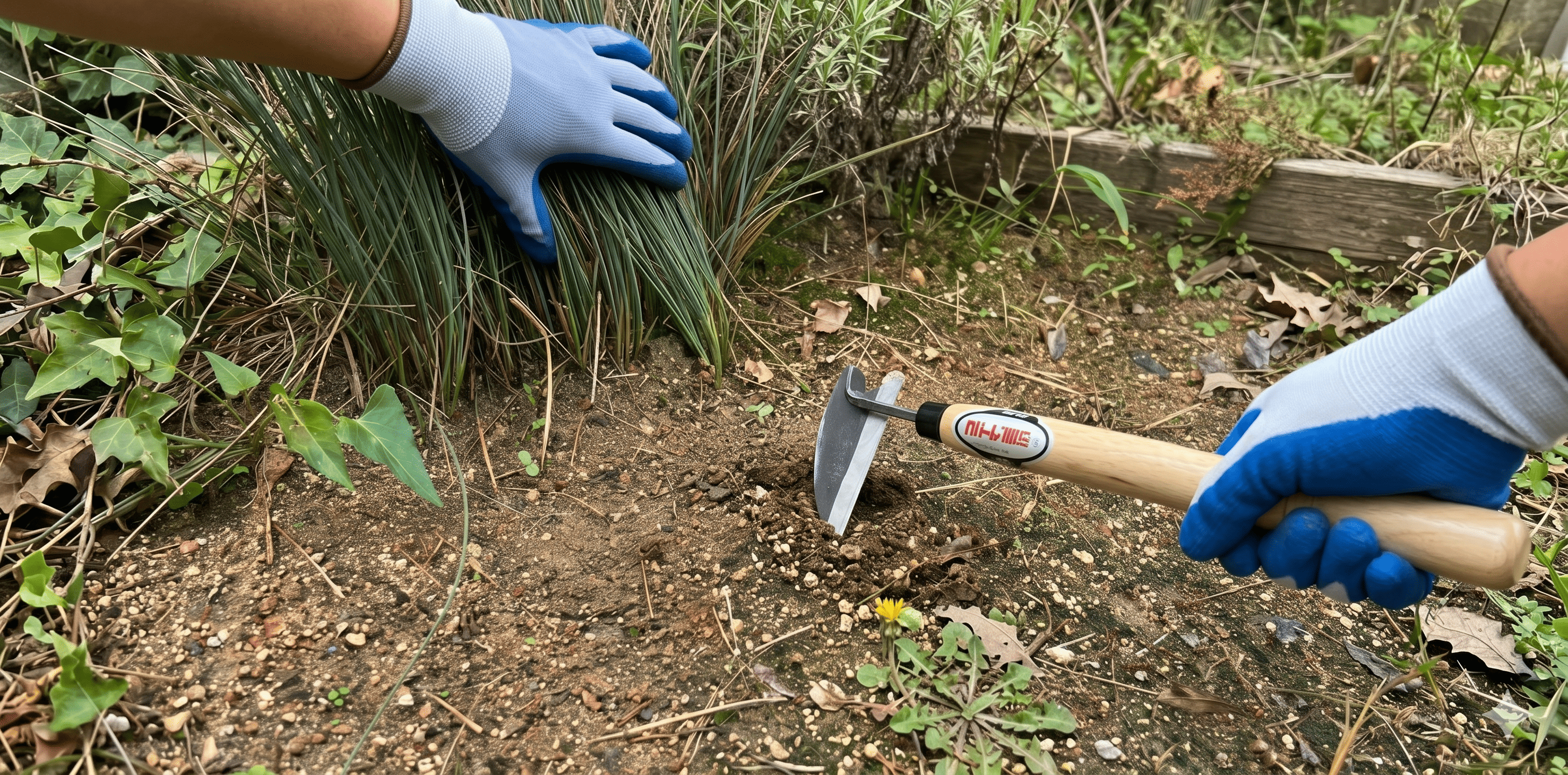

Stuck for what to buy a keen gardener? Ideas they'll actually use, sorted by budget.

The new bugg® Limited Edition range is here, and it's the first collection of products designed from scratch under the bugg® name, made right here in Auckland. Not imported. Not relabelled. Designed by Sally, built by skilled makers, using materials chosen because they actually perform in the garden, not because they look good on a mood board.

We're shining the spotlight on Grosafe! Grosafe is a family owned kiwi business. Their range of organic products for both home gardeners and the horticultural industry, have become highly recommended staples in any gardener's kit. They have a strong emphasis on good quality fungicides, insecticides, and a range of seaweed fertilisers and foliar sprays. We talked to Robbie from Grosafe about what motivated the business, her best garden tips, and more.Q. What was the motivation behind Grosafe - how did you come into the business, and why?Grosafe was established in 1995 by my husband Mark Yortt as a post harvest operator with kiwifruit in Katikati. Mark had kiwifruit orchards and a pack house. Having a background in horticulture he was interested in finding products that would help a grower with his crop care and protection. Mark was also very keen to try and register products that could be BioGro certified but were also commercially viable and had good formulations. Grosafe now has over 15 BioGro products that we offer to growers.Q. What type of garden do you have: picking, productive, or a mixture?We live by the beach so we are limited on what we can grow at the beach with our sandy soils and harsh conditions, but we do have a large avocado orchard which supplies early fruit to the domestic market around New Zealand. We are harvesting avocados at the moment.Q. What are the most important things to do each season to maintain a healthy garden?Spring: Making sure plants are protected from insects and fungicide attacks before pests get established. Feed plants with good foliar and fertiliser feeds while they are going into bud burst, i.e. BioPower Seaweed Flakes and OceanFert are great natural stimulants. Summer: Close monitoring for insect pressure and keep plants healthy with watering. Autumn: Same for the spring and summer, monitoring and keeping the garden healthy with foliar foods, and insect and fungicide control.Winter: Good pruning and clean up sprays. The foundation of a healthy start to the growing season.Q. What is your go to garden tool you can't live without?For my vegetable garden it is Enspray 99 and BioNeem for insect control, and OceanFert the soil and BioPower Seaweed for foliar feeding.For my ornamental plants, GroVentive Garden.Q. One Grosafe product you think everyone should have in their kit?EnSpray 99 Insect OilQ. What’s the best piece of gardening advice you’ve been given, that you would like to share?Be proactive instead of reactive, i.e. don't wait to treat your garden for pests as once they are established it can be far more costly to get rid of the problem.Q. Favourite crops / veggies you’re planning to plant this year for summer?I love home grown tomatoes, and salad greensQ. Your go-to recipe in 2023?At this time of the year we love having dishes with avocados, mixed salad greens and seafood with zingy lime/lemon dressings.Quickfire Questions…Q. Favourite flower?LiliesQ. Favourite crop?AvocadoQ. Current favourite Instagram account to follow?@georgiewildingfloralQ. Top book recommendation?Benjamin Hall - SavedYou can view our Grosafe range here.

Curious about gardening by the moon? We're delving into this ancient practice many gardeners have used for centuries. Gardening by the moon is rooted in the belief that the moon's phases and positions influence various aspects of plant life. It is said that the moon, with its gravitational pull, can affect the moisture content of the soil and even the sap flow within plants. By working in harmony with these celestial forces, gardeners hope for bountiful harvests, thriving flowers, and healthy, robust plants. Gardening by the moon can be looked at as both a science and an art, blending ancient wisdom with modern horticultural practices. While some may approach it with deep-rooted beliefs and traditions, others see it as a way to tune in to the natural rhythms of the Earth and find harmony in their gardens. Read on to find out some practical tips and handy resources for this interesting gardening technique. Katrina, the Compost Coach behind Blue Borage, has generously shared her knowledge & top resource recommendations for getting started with gardening by the moon: Who wants their gardening to be a little easier, plants healthier, without spending quite so much money on all sorts of remedies? It was the combination of ease, productivity, plant health and cost savings that drew me towards gardening by the moon. That, along with the experience of visiting a friend's biodynamic garden and asking what made everything feel so full of life. Imagine feeling like the garden is quite literally growing itself? Here are some practical tips for home gardeners: Planting and transplanting in the descending moon phase means there is less transplant shock, and therefore less follow-up care is needed. Use that time you've saved to enjoy cooking a favourite meal from scratch, or creating a beautiful trellis for your summer vegetables to climb up when the weather warms up. Sowing seeds in the ascending moon phase tends to give better results. Consider the simple math that when more seeds germinate and thrive, then fewer packets of seeds are needed to fill the garden each season, with progressively less fuss and bother as healthy plants then start to self-seed and the garden quite literally grows itself. A nice thing to do for your fruit trees over winter (in a Descending moon period) is to apply a tree paste. You'll find lots of different recipes online, but I like the book 'Biodynamic Gardening' by Weleda for a thorough step-by-step guide. It's a bit like giving your beloved fruit trees a spa day, which can help prevent fungal issues. Here's a fun tip to experiment with your pruning (and even with your lawn mowing): if you want to encourage fresh growth, make your cuts in the waxing moon phase, but if you want to discourage fresh growth, then cut when the light is decreasing in the waning moon. Before following advice from a moon calendar, check in with your own energy levels. Do you have energy to give to the garden today, or is it more a case of just enjoying the space, and getting energy back? This can be a reciprocal exchange that develops over time. Biodynamic moon calendars Here are the two calendars I use: Biodynamic Association of New Zealand The Astro Calendar by Brian Keats (Australian times) Biodynamics is going a bit deeper, adding in a few more layers of different rhythms, and a few more planets. For me, the main difference is taking into consideration the ascending and descending cycles of the moon, as well as the waxing and waning. Skeptics might look at all the details and say 'why bother?' These people will find the majority of home gardeners and commercial growers agree. It takes a special sort of gardener to want to synchronise with natural rhythms, it's often someone who is inclined to treat their plants like pets, who likes to make sure the water isn't too hot or too cold when watering their garden, and who asks permission before pruning. A sensitive gardener. On a commercial scale, biodynamic growers and winemakers tend to be not just sensitive, but also dedicated to improving the health of the soil in a very objective, measurable and scientific manner, while also growing the highest quality of food possible. These are people who simply have to develop an acute awareness of weather patterns and learn to respond quickly to subtle nuances that indicate early signs of plant stress, pest pressure or the onset of disease in the sense of 'dis-ease', or the opposite of optimal health. You could almost call it sacred agriculture, and many call it cosmic agriculture. You may not see yourself as a sensitive gardener, but perhaps you want the healthiest soil possible, with the most nutritious vegetables, plants with greater tolerance of drought (or floods), that are naturally resilient to pests and disease. These motivations are just as valid. As we all gradually lessen the load of toxic chemicals in our food and our soil, we will all need to explore natural support systems, including the moon's cycles. Which approach to follow? There are lots of methods, with lots of commonalities between them, but as is often the case with holistic wellbeing, it can seem like you have to choose the 'right' one. I recommend you test out a few of them for a year or so, and if you have the headspace, then find a way to blend multiple approaches. For women who menstruate, layering your personal cycle into your garden planning is a really sensible step towards efficient use of fluctuating energy levels. Maramataka: Here in Aotearoa New Zealand it makes sense to learn to follow the seasonal markers that helped the people of this land grow food long before industrial agriculture came here. Tuhi Stationery: My favourite bilingual diary. Tuhi include a Maramataka guide with each calendar they send out. Living by the stars: He's active on the 'Living by the stars' Facebook page, and has an impressive wall planner. Professor Rangi Matamua has won numerous awards for his work. He's got a really fun video teaching the hand gestures for all 29 phases of the moon. Maramataka Māori: Heeni Hoterene shows the wider context of Maramataka. It's so much more than just gardening and fishing, but something that can be used by businesses and large organisations to foster wellbeing at work and in the community. There's a wall planner so you can see at a glance where the moon is at, on any day. Due to regional and iwi variations, it's wise to go find a local person to teach you the local version of the Maramataka. There are plenty of people teaching this, please invest in their resources so they can continue to develop this work. Other perspectives Moon clock If you're looking for a simple way to begin aligning tasks with the waxing and waning cycles of the moon then this is a "gardening by the moon" clock from bugg®. Moon wheel Similar to the clock, this is another simple looking tool: you simply turn the dial to align the date with the phase of the moon, and you have a cycle of tasks that suit the waxing and waning moon cycles. Koanga Institute This is one of the most thorough guides I've seen, and informs thousands of homesteads and gardens around the country. Final advice Your garden is unique, your taste in food, flowers, shrubs, trees, and garden decor is also unique. There's a risk in following a lunar calendar that you start to take on someone elseʼs ideas of what should be done each season. Trust your instincts, tune into your garden, and let the plants, the soil, and the surrounding wildlife tell you what's most important. Blue Borage offers the following guidance... A free monthly overview of the biodynamic moon calendar on YouTube here. A handy download here to list the tasks you have ahead this month, and then find the best times for just those tasks. Let's keep things practical and simple. Consulting service to make a plan unique to your space. Reach out to Blue Borage to see if we are a good fit for each other. The 12 month 'DIY Almanac' programme to help you create a comprehensive garden planner that also tells a story of what matters most to you, an heirloom to pass on to future generations. Click here.

We're shining the spotlight on Crafty Gatherer... a family-run business here in NZ, who create & collaborate with other local artisans to bring you useful, intentional garden goods. Each and every product is about connecting with the seasons, and getting back to traditional ways of living. We chatted to Tess (one half of Crafty Gatherer) all about the motivation behind the business, her favourite garden tool, tips for achieving a more sustainable lifestyle, and more. We love the ethos of this awesome Kiwi business, and we're proud to stock a selection of their highly regarded range. We know you'll enjoy these useful insights! What was the motivation behind Crafty Gatherer? Crafty Gatherer is our business where we make tools to help people live efficiently both in their home and garden; we teach workshops and love to share our skills and everyday living. Our motivation behind Crafty Gatherer is being in tune to gather and harvest to provide for ourselves with what is around us, and the primal and innate feeling that brings. We express this motivation through traditional ways of living including growing our own food, living locally, being in tune with the seasons, living lighter, more thoughtfully and with intention. What are three practices anyone could implement today for a more sustainable lifestyle? Compost, so simple but huge impact! There is a lot of information out there and different ways to do it; there really is a way even for people living in apartments! Eat seasonally, either by growing some yourself or finding it locally. By living more thoughtfully we can reduce our impact in many ways, knowing where your "stuff" comes from, who made it? where will it end up when you are finished with it? It is thinking about: where is our food coming from? What businesses are we supporting? and what are we sharing with our community to contribute to a more beautiful place. How has your garden coped with the (so far) very wet summer we’ve had? Any tips? It has coped OK as we have created a lot of shelter around our garden with native trees and wild spaces, but it has been the worst year for tomatoes and our sunflowers were looking very sad thinking where is the sun? We also have a greenhouse, so that helps. With all this rain I would say creating shelter from strong winds is one of the most important things and also digging any channels you need around the garden so that there are no rivers running through your garden. Go-to garden tool you couldn’t live without? Our Crafty Gatherer Forksta, sounds biased, but it really is such a versatile tool! Favourite Autumn crops / veggies you’re planning to plant this year? We will be planting the things we love to eat (i.e. what our children will actually eat) . We all love brassicas, so lots of broccoli, cauliflower and kale, also spinach, chard, carrots, leeks and celery. And of course peas! Any tips for getting kids involved in the garden? Just let them be kids, to play, imagine and create around you while being in the garden and their natural curiosity normally wants to come and help plant a seed or smell a flower. Our kiddies get really involved when they see their particular seed they planted start to grow and then they are always checking in on it, watering it and wanting to harvest, we find it is pretty microfocus when they are kids. Your go-to recipe in 2022? Buckwheat noodles with whatever seasonal veggies come in from the garden was a go-to, home kill sausages over the fire are also a big hit around here. Meals are very simple as we just eat with the children. Favourite flower? Fire Circle Poppy or any kind of dahlia! Favourite crop? I love growing root crops! Favourite season? Spring Current favourite Instagram account to follow? Love @compostable.kate so many simple easy to adopt tips. Top book recommendation? Gardening: The Edible Backyard by Kath Irvine and The Abundant Garden by Niva and Yotam Kay Not gardening: Loving what Is by Byron Katie

Have you tried out a Sneeboer garden tool? As founder Arie Sneeboer used to say; “One who once has held a Sneeboer tool in his hands never wants anything else”. It really is buy once, buy well with these premium, hand-forged garden tools. But be warned - once you have one Sneeboer tool, you’ll be tempted to expand your collection!Over 100 Years of HistorySneeboer’s history dates all the way back to 1913, when Arie Sneeboer established a forging workshop in Bovenkarspel, a small town in the Netherlands. Arie’s forge began in a humble garden shed - but he was confident local growers and market gardeners were in need of quality tools that would last the distance. He was right, and the demand for Sneeboer garden tools soon spread!Thus Sneeboer was born and is still going strong over 100 years later. The company is currently run by the 3rd generation of the Sneeboer family (with the 4th generation preparing to take the reins soon!). The Sneeboer brand has become internationally renowned for their quality craftsmanship, with gardeners around the globe swearing by their wide range of stainless steel garden tools.The ProcessThe modern Sneeboer factory operates two forges. Coal is still used to power each of the four fires, with the family maintaining that this is the most effective method for forging. Their skilled master craftsmen use anvils to traditionally craft tools, and sledgehammers to shape the molten steel. The oldest of these hammers was made back in 1920, and is still in use today! Overall, the same techniques that were developed more than 100 years ago are still used now - contributing to the enduring quality and impressive reputation Sneeboer has maintained. Interestingly, Sneeboer personally trains each new member of staff; this is a detailed and lengthy process that can take up to 3 years. This is because instruction in the trade of traditional blacksmith is no longer widely available. It’s special to think of how Sneeboer is helping to keep the art of traditional hand-forging alive!The ToolsWe carry a wide range of Sneeboer’s quality stainless steel tools; there’s something for almost every task in the garden. Each one is forged by hand from quality stainless steel and paired with ash or cherry wood handles. Truly ready to “last a lifetime, and for generations to come!”. Learn more about a few of our top-selling Sneeboer tools below…Royal Dutch HoeSo useful is this garden hoe, it won an award at the 2013 RHS Chelsea Flower Show for Garden Product of the Year - a very impressive accolade! Sneeboer teamed up with English rose breeder John Scarman to create the Royal Dutch Hoe - a completely new tool at the time, which allows you to work and walk backwards. This leaves a fine tilth without footprints, reducing the chance of replanting weeds with your feet.Planting Trowel - Old Dutch StyleThis trowel will become your go-to tool for all planting tasks. Its sharp, rounded sides and pointed tip makes cutting through soil unbelievably easy. Perfect for planting bulbs, seedlings or small plants, for breaking up or turning soil, or for separating smaller perennials. Beloved British gardener Monty Don has proclaimed this as his favourite tool!WrotterThis traditional Dutch tool’s precisely angled head allows easy weeding around established plants. Easily push into the soil to remove the roots of deep and tap rooted weeds! Fun fact: "Wrotter" is an old Dutch word which means “Tough Worker”. We think this describes this useful tool perfectly.We have over 50 Sneeboer tools to check out - take a look! And next time you reach for your favourite Sneeboer, remember the years of history behind each and every design.

Skaza is a design and manufacturing company based in Slovenia, specialising in the creation of sustainable, eco-friendly home & garden products. Sustainability is at the core of their vision and mission - they are striving to set a new trend for the plastic industry. We are so pleased to be bringing Skaza’s range of Organko bokashi bins to NZ shores for the first time! Skaza began by identifying some of the biggest challenges our society and planet are facing, and started to develop unique solutions to help address these issues. One pressing problem is poor waste management. The amount of waste currently going to landfill is unsustainable for our planet - methane released from landfill is a greenhouse gas contributing to climate change, causing untold damage to our environment. In light of this distressing issue, we’d all like to strive towards a zero-waste lifestyle! Skaza’s Organko bokashi bins are designed to help us do just that. Bokashi bins are a convenient, effective way to reduce your waste output. Not only that, using a bokashi bin provides you with lots of amazing benefits too. All of Skaza’s bins are manufactured using recycled plastics, and are designed to last the distance. Bokashi bins work by turning kitchen waste into nutrient rich compost through fermentation. The process works by using natural, beneficial microorganisms (sprinkled on as a bran or a liquid spray) to initiate the fermentation process. Unlike traditional composting methods, where you have to wait for waste to decay, a bokashi bin ‘pickles’ your kitchen scraps. This makes it up to 50% faster! Along with this, organic waste that has been fermented retains essential nutrients that would normally disappear during decay. This creates a top-quality compost and liquid fertiliser for your garden. You can also put almost anything in your bokashi bin - even traditionally non-compostable foods like meat, dairy, small bones & citrus! Once fermented, your bokashi bin can be emptied into your compost, where it helps to speed up the compost process, or buried in your garden. The Skaza Organko bokashi bin Essential Set in grey and black has a volume of 15 litres. A family of four would fill one bin in approximately 30 days - you can then begin filling the second bin while the first completes the fermentation process. The Bokashi Organoko Essential Set is complimented by the Organko Daily in grey and black Skaza’s Organko bins are real stand-out products for sustainable living. Composting your kitchen scraps is a great way to reduce your landfill waste, and it is made that much easier with a bokashi bin. Plus, who knew a bin could look so good! Find out more about each of the Skaza Organko ranges below.

