

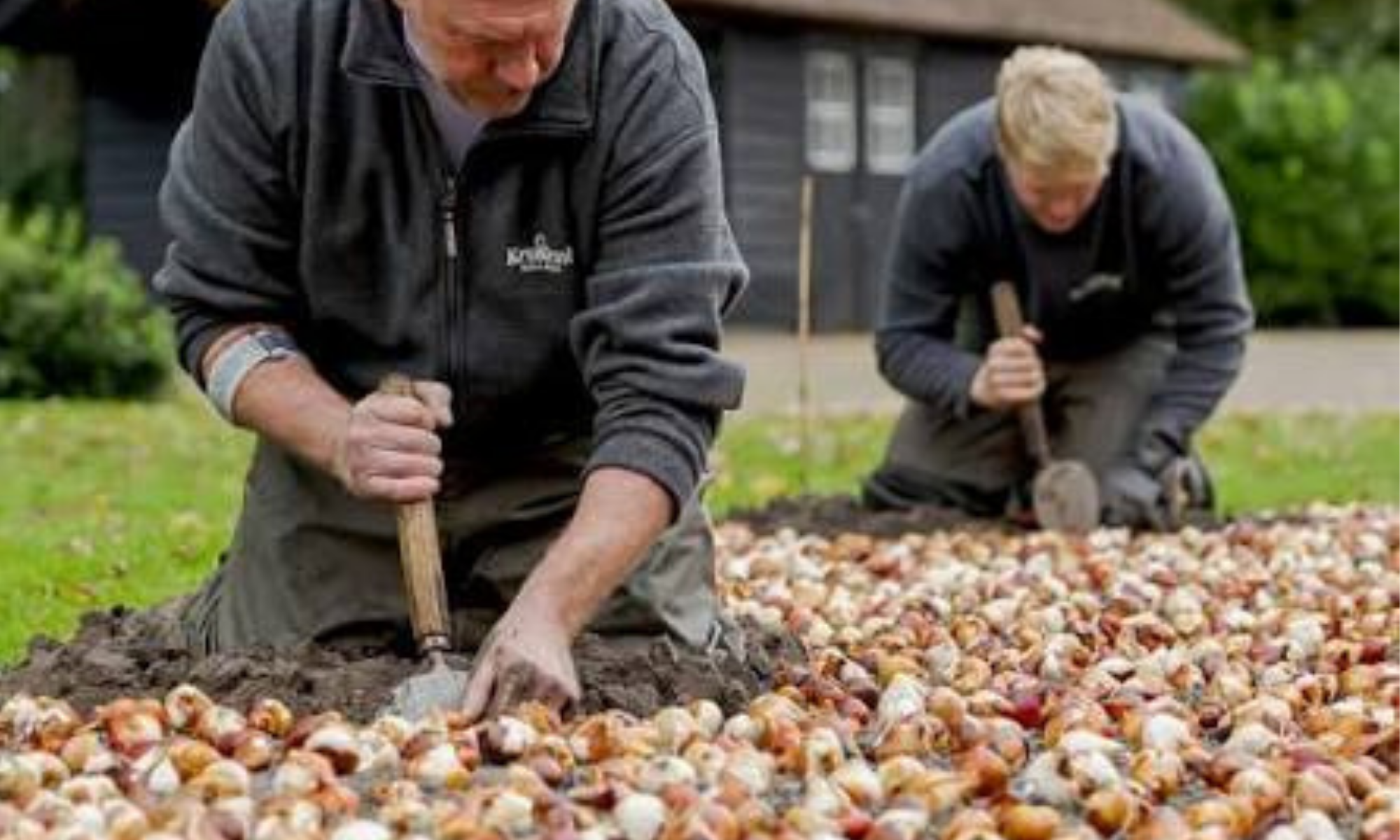
The Right Tool for Every Planting Job
Good planting tools make the difference between a chore and a pleasure. The right implement means less effort, less soil disturbance, and better results, whether you're setting out seedlings, sowing seed drills, or transplanting established plants. Here's a guide to the essential planting tools every New Zealand gardener should know.
Trowels
The trowel is the most-reached-for tool in any gardener's kit. Use it for planting seedlings, setting bulbs, and digging out small weeds. Look for a stainless steel blade with depth markings making spacing and planting depth consistent without guessing. A comfortable, ergonomic handle reduces fatigue during extended planting sessions.
A narrow or transplanting trowel is a worthwhile second trowel for slipping into tight spots between established plants and transplanting seedlings with minimal root disturbance.
Dibbers and Dibbling Tools
A dibber (also called a dibble) is a pointed tool used to make planting holes quickly and at a consistent depth. It's ideal for onion sets, garlic cloves, seedlings in module trays, and large seeds like beans, peas, and sweetcorn. Wooden dibbers have a satisfying old-world feel; steel dibbers are more durable and often include depth markings.
For planting out rows of seedlings or bulbs, a long-handled dibber lets you work without bending and speeds the process up considerably.
Hand Forks
A hand fork is the planting tool you reach for in established beds where soil structure matters. Before planting, use it to loosen and aerate the top layer, incorporate compost, and break up surface crusting. It's particularly useful when planting into beds that haven't been dug, working compost into the top 10–15cm without fully turning the soil preserves the microbial life below.
Bulb Planters
If you plant bulbs in any quantity, a bulb planter is a game-changer. Push the cylinder into the soil, pull it out, drop in your bulb, and replace the plug of earth. Both hand-held and long-handled versions are available. The long-handled type saves your knees and back considerably when planting hundreds of daffodils, tulips, or garlic cloves.
Seed Sowers and Precision Tools
Sowing fine seed directly can result in over-sowing and wasted seed. A seed sower or precision seed dispenser helps place seeds individually at the correct spacing, which means less thinning and better germination rates. For row sowing, a pointed stick or the corner of a hoe makes a clean seed drill at a consistent depth.
Long-Handled Planting Tools
For larger transplants, bare-root trees, and shrubs, a spade or border spade is more appropriate than a trowel. A border spade is narrower and lighter than a full-size spade, making it easier to manoeuvre in planted beds. A garden fork is useful for loosening soil in the planting hole of root-sensitive plants like perennials and fruit trees.
Caring for Your Planting Tools
Quality planting tools last decades with minimal care. After each use, knock off excess soil and wipe the blades clean. A light rub of oil on metal surfaces prevents rust. Store tools dry, ideally hanging rather than lying on a damp floor. Sharpen trowels and dibbers occasionally as a sharp edge cuts through soil more cleanly and with less effort.
Investing in quality tools once, rather than replacing cheap ones repeatedly is both better value and better for the environment. Well-made tools from established makers are designed to be repaired, not discarded.
Shop the collection
Trowels & Planting Tools


