

What Are Effective Microorganisms and Why Every NZ Gardener Should Use Them
Effective Microorganisms commonly known as EM, are a naturally derived, mixed culture of beneficial microorganisms that have been used in agriculture and horticulture for decades. First developed in Japan in the 1980s by Professor Teruo Higa, EM technology has become one of the most widely adopted biological tools in sustainable gardening and farming worldwide and in New Zealand, it's gaining growing recognition as a cornerstone of healthy, productive gardens.
What Are Effective Microorganisms?
Effective Microorganisms are a consortium of naturally occurring, beneficial microbes — typically including lactic acid bacteria, photosynthetic bacteria, yeasts and other beneficial species. These organisms coexist in a stable, liquid culture and when introduced to the soil or applied to plant material, they work in a complementary way to improve soil biology, accelerate organic matter decomposition, boost plant health and resilience, and suppress odours and pathogens.
Improve soil biology: EM populations compete with harmful pathogens and help create a more diverse, balanced soil ecosystem that supports plant root health.
Accelerate organic matter decomposition: The fermentative microorganisms in EM break down organic matter rapidly, converting it into humus and plant-available nutrients more quickly than natural decomposition alone.
Boost plant health and resilience: Regular EM applications have been linked to stronger root systems, improved disease resistance, and better nutrient uptake in plants.
Suppress odours and pathogens: The lactic acid bacteria in EM create mildly acidic conditions that inhibit the growth of harmful bacteria and moulds in soil, compost and around plant roots.
How to Use EM in the Garden
EM is typically sold as a liquid concentrate that needs to be diluted before use. The most common dilution rates are:
Soil drench (1:100 to 1:500): Dilute EM concentrate with water and apply directly to soil around your plants. This is the most common application method and is used to inoculate soil with beneficial microbes.
Foliar spray (1:500 to 1:1000): A very dilute spray applied directly to plant leaves can help improve plant resilience and suppress foliar diseases. Apply in the early morning or evening, not in direct sunlight.
Compost activator (1:100): Add diluted EM to your compost pile to speed up decomposition and reduce odours. EM is particularly effective when added alongside kitchen scraps or green material.
Bokashi pre-treatment: EM is the key active ingredient in Bokashi bran a fermentation medium used to process kitchen waste, including meat and dairy, before adding it to soil or compost.
What Does EM Do to Soil?
Healthy soil is teeming with billions of microorganisms per teaspoon, bacteria, fungi, protozoa, nematodes and more. This living soil community is responsible for making nutrients available to plants, building soil structure, and cycling organic matter. Modern gardening practices including synthetic fertiliser use, tilling, and pesticide application can deplete these populations over time, reducing soil fertility and plant performance.
Regular EM applications help restore and maintain microbial diversity in the soil. Over time, gardens treated with EM typically show improved soil structure, better water retention, reduced compaction, and more vigorous plant growth, especially when EM is used alongside organic matter and compost.
EM and Composting
One of the most dramatic benefits of EM is its effect on composting. Adding EM to a compost pile significantly accelerates the breakdown of organic matter while also reducing odour and inhibiting fly breeding. EM can also be combined with Bokashi composting, a technique that uses EM-inoculated bran to ferment food waste (including cooked food, meat and fish) in an airtight container. Bokashi pre-fermented material breaks down rapidly when buried in soil and provides a rich, biologically active soil amendment.
Key Benefits of EM for NZ Gardeners
For gardeners growing food in New Zealand, the benefits of EM are practical and measurable. Gardens treated regularly with EM tend to have better soil structure, fewer disease problems, stronger crops, and improved resistance to drought stress. EM is safe, non-toxic, and compatible with organic gardening practices, it won't harm earthworms, beneficial insects or humans.
At Bugg, we stock EMNZ, New Zealand's leading locally produced EM product — as well as Bokashi composting systems that harness the power of EM fermentation for your kitchen waste.
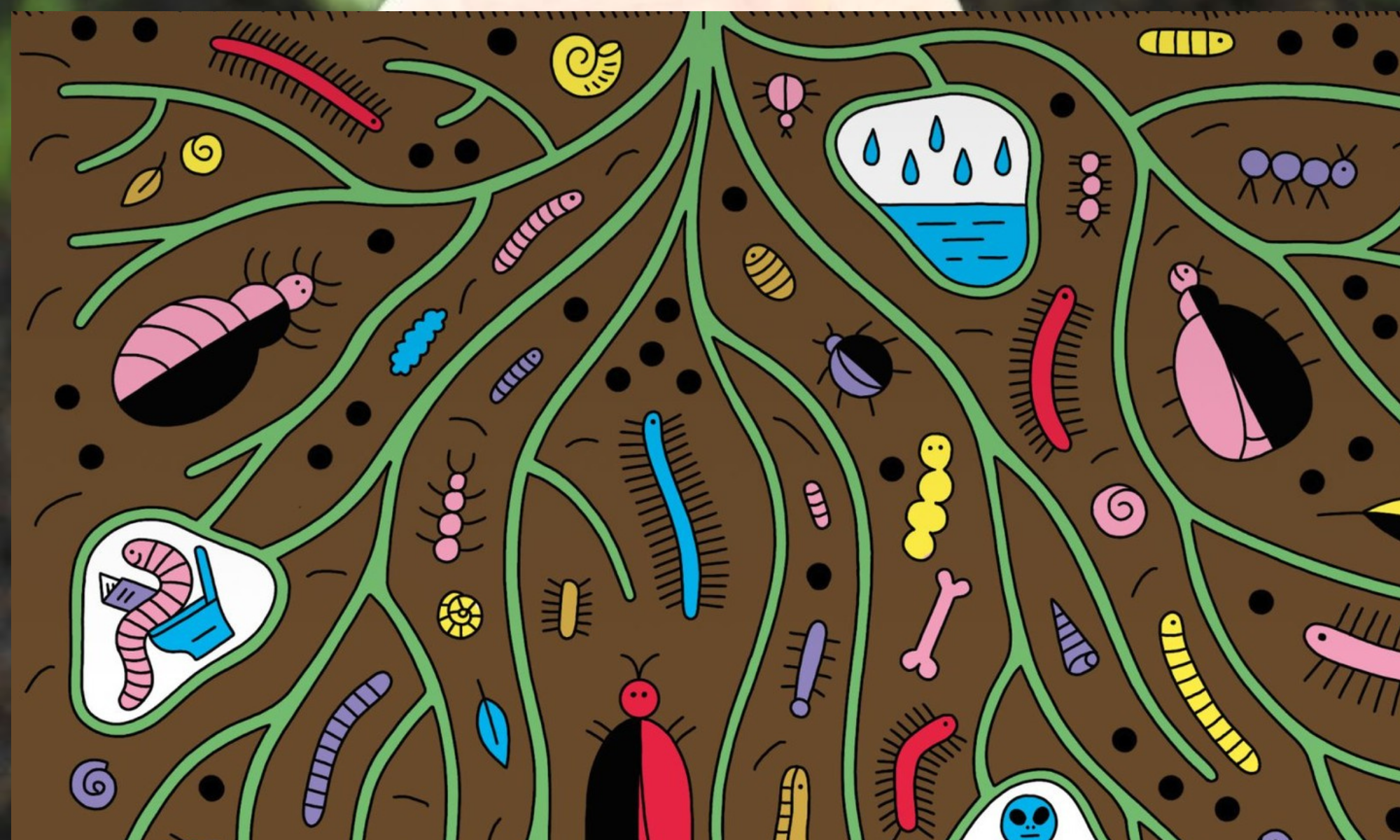
Image from Imagine5 | Naturally Curious | www.imagine5.com


