

How to Use Garden Netting and Frost Cloth to Protect Your Plants in New Zealand
New Zealand's climate can be unpredictable, and even in the mildest regions, gardeners face challenges from late frosts, hail, fierce winds, insects and browsing birds. Garden netting and frost cloth are two of the most versatile and cost-effective tools you can use to protect your crops year-round. Understanding when and how to use each one can make the difference between a thriving garden and a season of disappointment.
What Is Frost Cloth and How Does It Work?
Frost cloth (also called frost fleece or garden fleece) is a lightweight, breathable fabric made from spun-bonded polypropylene. It acts like a blanket for your plants trapping the heat that radiates from the soil overnight and preventing ice crystals from forming on foliage. Unlike plastic covers, frost cloth is porous enough to let in light, air and a little moisture, which means you can leave it on for extended periods without harming your plants.
Frost cloth is rated by weight typically measured in grams per square metre (gsm). Lighter-weight fabrics (17–30gsm) offer mild frost protection and are often used to warm the soil in early spring. Heavier fabrics (50gsm+) provide more significant frost protection and can handle temperatures several degrees below zero.
When to Use Frost Cloth in NZ
In New Zealand, frost cloth is most useful during:
Late autumn and winter: Protect frost-tender crops like tomatoes, capsicums, basil, courgettes and beans from the first frosts of the season, which can arrive as early as April in cooler inland areas.
Early spring: Drape frost cloth over early plantings of lettuce, silverbeet and seedlings to protect them from surprise frosts while still allowing growth during warmer days.
Hail events: Frost cloth provides a useful buffer against light hail, reducing physical damage to leaves and fruit.
When using frost cloth, ensure the edges are secured firmly to the ground to prevent cold air from sneaking underneath. You can use pegs, stakes, or even rocks to hold it in place.
What Is Garden Netting and What Is It Used For?
Garden netting is an open-mesh fabric designed primarily to exclude pests and wildlife rather than to provide thermal protection. It comes in many mesh sizes, and the right choice depends on what you're trying to keep out:
Insect exclusion netting: Fine mesh netting (0.8–1mm openings) keeps out whitefly, aphids, cabbage white butterfly, diamondback moths and other small insect pests. It's ideal for brassicas, courgettes and beans, which are frequently targeted by these insects.
Bird netting: Larger-mesh netting (15–25mm) protects berries, fruit trees and seedlings from birds. Essential for strawberries, blueberries, cherries and young lettuces.
Shade netting: Woven or knitted shade cloth in 30–70% shade ratings protects heat-sensitive crops like lettuces, parsley, coriander and seedlings from intense summer sun. Particularly useful in northern NZ and Canterbury during summer.
Combining Frost Cloth and Netting Through the Seasons
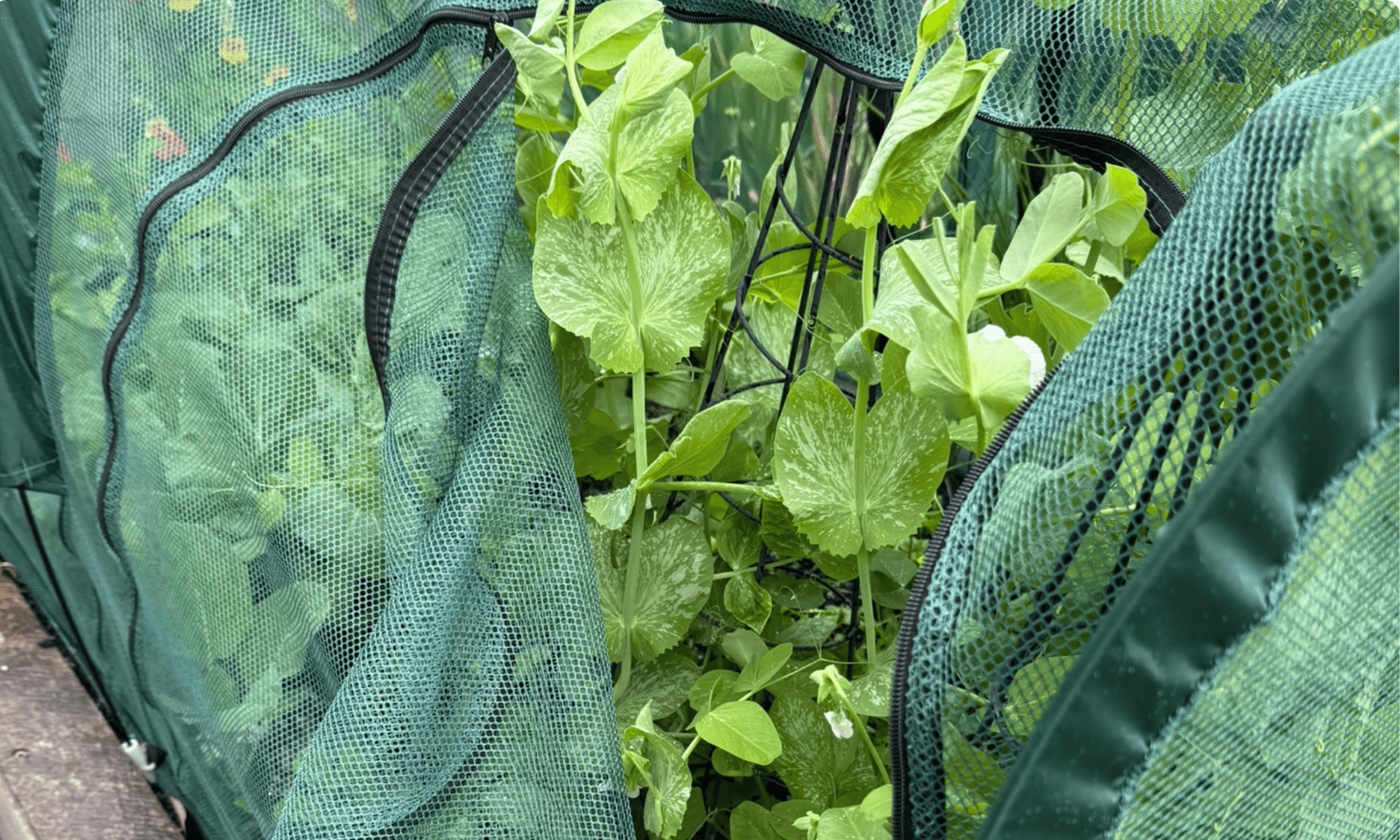
Many experienced NZ gardeners use frost cloth and netting interchangeably throughout the year, swapping one for the other as the season demands. A simple hoop tunnel frame over your garden beds lets you switch between frost cloth for cold protection in winter, insect net for pest exclusion in spring and summer, and shade cloth for summer heat management — all using the same infrastructure.
This approach maximises your investment and keeps your beds protected year-round against whatever the weather or local pest population throws at you.
Tips for Using Frost Cloth and Netting Effectively
To get the most from your covers, keep a few practical points in mind. Check under covers regularly as warm, humid conditions beneath netting or frost cloth can sometimes encourage fungal diseases if ventilation is poor. Water as normal, most frost cloths allow enough moisture through to keep plants adequately hydrated, but you may need to water more during dry spells under insect netting.
Remove covers when pollinator crops like courgettes, pumpkins and cucumbers are flowering, to allow bees and other pollinators to access the flowers. Re-cover after the main flowering period if pest pressure remains high.
Shop Netting and Frost Cloth at Bugg
At Bugg, we stock a range of frost cloth, insect netting, bird netting and shade cloth suited to New Zealand gardens and growing conditions. Whether you need to protect a single row of seedlings or cover an entire raised bed, we can help you find the right solution for your garden.


