

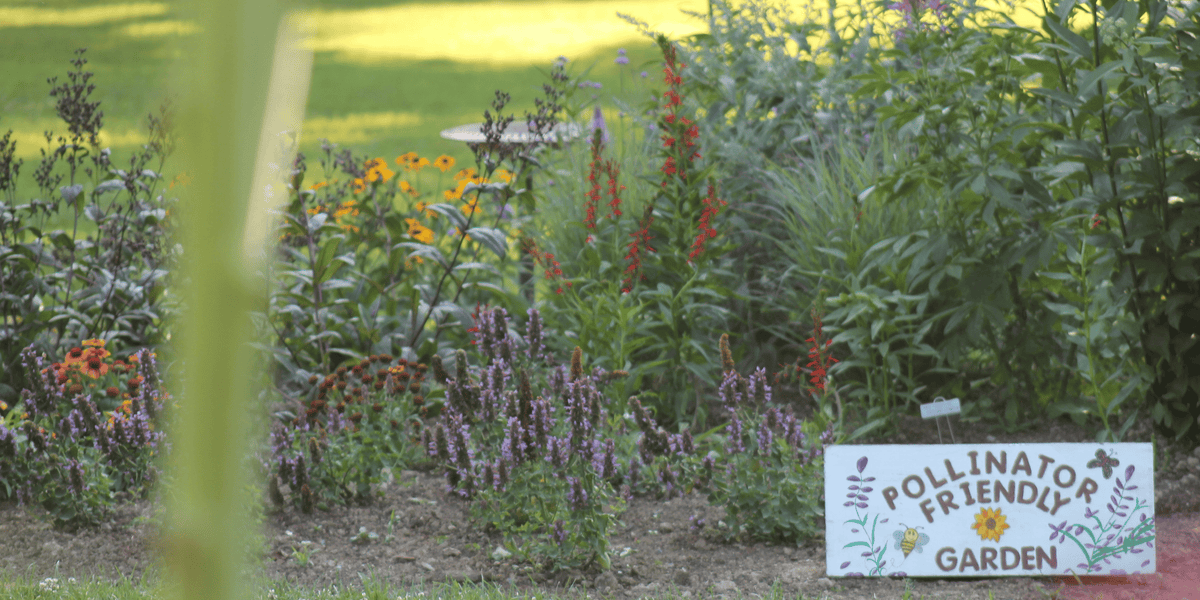
The good bugs in your garden
The first thing most gardeners learn about insects is which ones to kill. Aphids, slugs, cabbage white butterfly, carrot fly, white fly. The pest list is long and well-known.
The second thing most gardeners never quite learn is which insects are actually working for you. The pollinators, the predators, the soil builders. They're often in your garden already, doing free labour, and most of us just walk past them.
Here's the cast of helpful bugs in a NZ garden, what they do, and how to attract more of them.
The pollinators
Honey bees
The classic. Pollinate everything they touch. Without them, no tomato fruit, no apple, no zucchini, no pumpkin. Plant borage, lavender, calendula, phacelia, and let some herbs (rosemary, thyme, oregano) flower for an extended bee feed.
Bumble bees
Better than honey bees for many crops. They do 'buzz pollination' which shakes pollen out of flowers that honey bees can't access (tomato flowers in particular). Encourage by planting lavender, comfrey, foxglove, and leaving some leaf litter for nesting.
Native bees
NZ has a handful of native bees. They're shy, small, and easy to miss. They pollinate native plants and many garden crops. Encourage by leaving some bare soil patches (many native bees nest underground) and growing pohutukawa, manuka, cabbage tree, hebe.
Hoverflies
The unsung hero. Look like wasps but are completely harmless. Adults pollinate. Larvae eat aphids by the hundred. Plant alyssum, calendula, fennel flowers, and any small-flowered umbellifer (Queen Anne's lace, ammi) to draw them in.
The predators
Ladybirds
Both adults and larvae eat aphids in alarming numbers. One ladybird can eat 5000 aphids in its lifetime. Don't squash the alligator-shaped grey larvae, they're the more useful stage. Encourage by avoiding pesticide sprays and planting nectar-rich flowers.
Lacewings
Delicate green flying insects. Larvae are voracious aphid and caterpillar predators. Lay tiny eggs on stalks (look like grass seed on a hair). Encourage by planting yarrow, dill, fennel, and nettles in a wild corner.
Praying mantis
NZ has native mantises. They sit motionless and eat caterpillars, flies, and small grasshoppers. Don't tidy too aggressively. They like long grass and shrubby corners.
Ground beetles
Mostly nocturnal, mostly underfoot. They eat slug eggs, soft caterpillars, and small soil pests. Encourage by mulching heavily and leaving leaf litter. They live under there.
Centipedes
Long, fast, slightly creepy. Genuinely useful. Eat slugs, small insects, soft larvae. Don't kill them.
Spiders
All of them. Even the scary ones. Spiders eat more insects than every other predator combined. Don't sweep them out.
The soil builders
Earthworms
The single most important garden animal. Process soil, aerate, feed plants with castings. A garden with no worms is a sick garden. Encourage by mulching, composting, and not digging unnecessarily.
Springtails and mites
Microscopic. Break down organic matter. The reason your compost heap works.
How to attract more
The single best move: stop spraying anything broad-spectrum. Even organic sprays like pyrethrum kill bees and predators alongside aphids. If you must spray, spot-treat in the evening when bees aren't active.
Other moves:
- Plant a wide variety of flowering plants, especially in spring and autumn when bees are hungry.
- Leave a wild corner of the garden completely alone (long grass, weeds, leaf litter).
- Build a small 'insect hotel' with hollow bamboo, wood, and stones for solitary bees and lacewings.
- Have a shallow water source. Bees and beneficial insects need to drink.
- Don't dead-head everything. Let some plants go to seed for finches and beneficial insects.
- Tolerate some pest damage. A garden with zero aphids has zero ladybirds.
The principle
A healthy garden has predators because it has prey. If you successfully eliminate all the aphids, the ladybirds leave and never come back. When the next aphid wave hits, you have no defence.
The smarter move is to tolerate low-level pest populations, attract their predators, and let the system rebalance. Less work, fewer chemicals, better gardens.
The honest bit
The gardener who notices their bugs is a better gardener than the one who tries to remove them all. Walk through the garden with your eyes open. Most of what you see is on your side.
Welcome to the dirt cult. We work with the bugs.


