

News
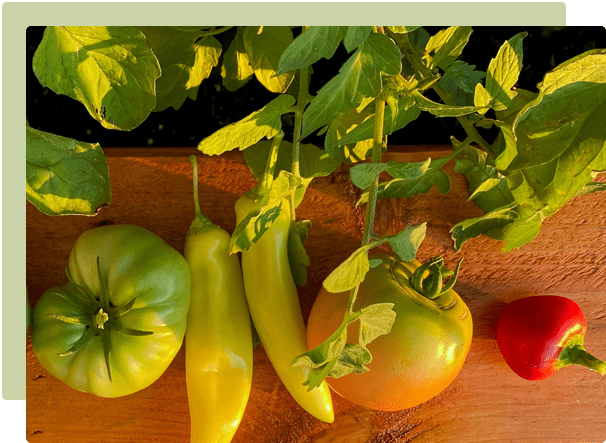

IN THE EDIBLE GARDEN November is all about sowing & planting! This is your main focus for the month, and there's so much to choose from. Hopefully you've done some planning and know what you want to plant, and where you're going to plant it. Consider your crop rotation plan (you can learn more about how to implement this in your garden in our crop rotation guide). Some favourite summer veggies to sow or plant this month are: cucumbers, sweetcorn, watermelons, tomatoes, eggplants, chillies, courgettes, capsicums, beans, beetroot, carrots, celery, parsnips, silverbeet, spinach… we really are spoilt for choice in November! If you grow them, a priority is getting those longer term crops like kumara and pumpkin in the ground now. Kumara takes between 120-150 days fully mature, and most varieties of pumpkin takes between 90 and 110 days, so get them in now so they're ready for autumn harvest. Continue to successively plant those summery salad greens: spring onions, lettuce, radish, rocket, mesclun. Plant seed potatoes. Keep mounding soil onto new leaves; when you see flowers they are ready to harvest. Plant passionfruit. Ensure it has a sturdy support structure nearby (a trellis or fence etc.) for it to climb as it grows. Feed your existing berry plants with a balanced fruit and berry fertiliser. In warmer areas of NZ, the first of your berries may be ready to harvest! You can also still get in more strawberries, blueberries, boysenberries, blackberries, and raspberries for some sweet summer spoils. While you can grow brassicas (e.g. broccoli, cauliflower, cabbage) at this time of year, leaving them off the list this month can be a good way to prevent cabbage butterflies from taking hold. It's one of those obvious tips, but we'll say it anyway: grow what your family likes to eat. It's easy to get swept away, planting a wide variety of exciting new summer crops. But if space is at a premium in your garden, focus on growing what you know works for your family, introducing 1 or 2 new types of crops to see how they do before committing to a whole garden full of them. IN THE FLOWER GARDEN Sow wildflowers, and plant swan plants to keep your local beneficial pollinators happy. Now is a good time to refresh pond plants. Spruce your pond up with some fresh water lilies. Continue to plant dahlia tubers or cuttings. Plant snapdragon, sweet pea, sunflower, lobelia, gerbera, chrysanthemum, geranium, marigold, petunia, Queen Anne's Lace, cornflower. Feed established flowering plants to give them a boost with a balanced bloom fertiliser, or good old worm castings. TASKS THIS MONTH... Stake your tomatoes, and get some basil in nearby. This can enhance the flavour. Marigolds are also a great companion plant for tomatoes, and will help to keep pests at bay. Maximise space in your garden by utilising vertical structures for beans, cucumbers and courgettes. Use a trellis frame, or create a teepee using bamboo stakes. Get your irrigation system set up for summer. Drip irrigation systems work brilliantly, or invest in a planter with a built-in reservoir like a self-watering raised bed. Layer some mulch / organic matter around the base of fruit trees and in your veggie garden. This will help to conserve moisture as the days get hotter, and provide nutrients as they break down. Or, plant flowers to create a cheerful 'living mulch', especially beneath plants that require pollination. Cornflower, calendula, and cosmos are some great options for this. There should be plenty of material for your compost heap as a result of spring clean up. If you don't already have a compost pile or bin, now is the perfect time to get one started so none of that organic goodness goes to waste. Get in the habit of making daily stroll around your garden to remove / squash any pests you can find. This can be made into a fun activity with kids!

Summer can be a glorious time of year when flowers bloom prolifically in the garden. But how do we ensure that our plants keep flowering over the months of summer and into autumn? Watering and feeding your plants are both important to ensure the plant is as happy and healthy as it can be and we’ll talk a little more about feeding later in the blog. The best thing you can do to ensure lots of flowers is to deadhead your plants. When we go back to the basics of what a plant's purpose in life is – it is essentially to reproduce. The main way plants reproduce is by creating seeds. These seeds develop after a flower is pollinated. Once the seeds have matured, the plant will have a unique method that disperses the seeds so they can go on to grow into the next generation of that plant. Once seed has been set and dispersed the plant's life cycle has been fulfilled. In the case of what we call ‘annuals’ - colour plants like pansies or petunias we buy in punnets or as ‘potted colour’ that typically only last a season or two - they will then start to die to create room for the next generation to grow up. This is where deadheading comes in. If you remove the flower as soon as it dies or wilts, you have stopped seeds being created and the plant’s life cycle hasn’t been completed. The plant then produces another flower to produce seed and complete its life cycle. This is how you get a flowering plant to keep on flowering throughout the summer and into autumn and avoid having to plant another round of plants. Keep dead heading right through summer and into autumn. Now plants that we call shrubs, perennials and biennials – essentially anything that lives longer than a year- don't die after setting seed but the principle generally remains the same. Remove the flower before it sets seed and the plant produces another flower to try again. There are a few exceptions, some roses only have one intense flush of blooms and once they finish, that is it for the year. Dead heading won’t extend their flowering season. Rambling roses for example, only have a single flush. Most modern roses are bred to be ‘repeat flowering’ which means they will produce new flowers about every 5-6 weeks if you deadhead them. So if you are choosing a new rose to plant, keep an eye out for ‘repeat flowering’ on the label, this will help lengthen the summer flower show in your garden. Top tip! If you want roses to be flowering in your summer garden for a wedding or event – deadhead and feed them six weeks out from the date. Another top tip! When you dead head, don’t just pull off the petals, you need to cut it off further down the stem. The rule of thumb for roses is to cut just above the first set of 5 leaves. A further benefit of dead heading is that you are essentially giving your plant a light prune as you do it. This encourages the plant to ‘bush out’ or form more side branches which give you more stems for flowers to form on. It is usually worth sacrificing the first flowers on the plant when you plant it, pinching the main growth tip out. This causes it to be a shorter, bushier plant with lots of branches and flowers, rather than a taller plant with fewer side stems and fewer flowers. If your plant has gotten quite ‘leggy’ or straggly during the growing season, a hard cut back will sacrifice the current flowers but you’ll end up with a bushier plant with many new blooms on it. A little bit of planning goes a long way with colour, so consider what colour you already have in your garden and see where and when the gaps are. One of the easiest ways to ensure you have some colour in the garden all year round, is to visit a public park or garden at least once a month and see what is flowering at that time and then pop into a garden centre and see if it is available in store. (Take a photo of the plant with you!) Whenever possible choose long flowering plants to include in your garden. Options like salvias, perennial petunias, federation daisies and gaura are all fabulous options that flower right through to the first frosts- and they will generally last a few years, making them good value for money. Flowering takes a lot of energy for the plant to produce, energy that is diverted from plant growth and root growth. Ensure that you feed your plant regularly so it has all the resources it needs to grow and thrive – as well as flower beautifully and repeatedly. Be strategic in what you feed with. If you are encouraging flowers, a food that has a higher K (Potassium) rating in its NPK rating than Nitrogen is a good place to start. A rose fertiliser is always a safe option for flowering plants as it is going to be formulated to encourage lots of blooms. A fertiliser that is high in Nitrogen (N) is going to encourage green leafy growth but not flowers. This is ok to feed with after it’s finished flowering but not if you want it to perform in summer! Liquid fertiliser is a great option for a quick boost, but use it in conjunction with a granular or slow release fertiliser - it’s a bit like an energy drink for plants - utilised immediately but used up really quickly so they have to be reapplied about every two weeks if they are your main form of fertiliser. Again, check the NPK rating so you are using something appropriate for your expected results. If your plants are in pots, they will need slow release fertiliser applied approximately once a season. Slow release fertiliser is safe for plants in pots as it won’t burn roots. Always check the fertiliser packet as it will state if it is not recommended for use in pots. Remember that potting mix is a case of you get what you pay for and the more expensive mixes will have longer lasting fertiliser in it. Make sure you read the packet (it will state anywhere from 3 to 12 months), as you are the main source of food for the plant after the fertiliser in the mix runs out. Water plays an important role too. If a plant is allowed to dry out to the point of stress or wilting regularly, the plant will think it is going to die and it will ‘bolt to seed’. Essentially it rushes to flower so it can set seed before it dies, to go on and create another generation. Avoid this situation as even if you deadhead the flower, the plant is already at death's door. When you water, avoid getting the moisture on the leaves to help prevent issues with fungal diseases which will affect the plant health and therefore the number of flowers. You can have a wonderful display of colour right throughout summer and into autumn, by getting the basics of feeding and water right and utilising dead heading to use the plants natural processes to your advantage. A little bit of regular effort will reap an ongoing reward of colour! Written for bugg® by Kelly Jean Reyland from Garden Advice NZ (www.gardenadvice.co.nz)

WHAT TO PLANT THIS MONTH October is a busy month when it comes to planting… If you’re anything like us, you’ll be (impatiently) counting down the days until you can plant out those heat-loving summer crops! But be patient and try to wait until the soil has really warmed up enough before getting them in the ground - for much of the country, this is around Labour Day / late October. In the meantime, you can continue to successively plant / sow veggies that your household enjoys; potatoes, cauliflower, broccoli, peas, beans, carrots, beetroot, spinach, rocket, and lettuce are some popular picks for spring. In the herb garden you can plant basil, coriander, chives, parsley and dill once the risk of frost has passed. Around Labour weekend (you might have to wait a bit longer if you live in a colder area), you can plant or sow the following directly into your garden beds: capsicums, chillis, cucumbers, sweet corn, melons, corgettes, pumpkins and tomatoes. Or you can tray sow them indoors now - use a heatpad or place them in a warm, sunny spot. Even though some of these seedlings are likely available in your local garden centre already, try to resist the urge to plant heat-loving veggies outdoors until the soil warms up a bit more! If you can’t wait until the end of the month, make sure any young seedlings are protected with a cloche. Remember to harden off your seedlings before planting them out; leave the seedling trays outside for a few days before transplanting. IN THE FLOWER GARDEN For a vibrant display of colour, plant sunflowers, cosmos, cornflower, borage, gerbera, zinnia, lobelia, marigold, petunia, sweet pea and begonia. Continue planting summer flowering bulbs - dahlia and gladioli. Stake your dahlias and taller perennials (the stake you use should be roughly two-thirds the height of the fully matured plant). Use an all purpose fertiliser or plant tonic to feed your flowering annuals and perennials. Plant more wildflowers! Sow them near your veggies to encourage beneficial pollinators. TASKS THIS MONTH... You’ve probably started to notice hoards of hungry slugs and snails out looking for food; they’re especially attracted to brassicas and leafy greens. Apply Tui Quash slug & snail Stoppa to prevent them munching on your seedlings, or sprinkle some natural NZ Wool Mulch around the base of plants to deter them. Neem is another great natural option - Grosafe BioNeem is an excellent organic choice. Prune back existing mint, thyme and sage plants to promote fresh new growth in time for summer. Keep feeding hungry crops: some great options are seaweed sprays (learn how to make your own here), Ocean Fert, EM1 Garden Concentrate, EM Garden Boost, and Rootella. All of which nourish the soil and give your plants essential nutrients to sustain them throughout the growing season. Collect organic matter to use as mulch in your garden beds: seaweed, leaves, cardboard, manure etc. From the sounds of it, we’re in for a particularly hot summer. That means now is the best time to get a garden water tank set up. Make the most of these spring rains, so you have plenty of water collected to keep your garden going once the hot weather hits. Look out for aphids and white cabbage butterfly caterpillar as they will also be actively looking for food. Use a tunnel or net cover to help keep them at bay. We’ve also heard of this simple but clever trick: make your own white butterfly out of paper and place it in your garden. Apparently white butterflies are territorial, it may help to deter them! Give it a go and let us know if it works for you…

The physical prep work is done! Hopefully, if you've read our blogs on crop rotation and successional planting, you'll be inspired to do some planning before you start planting. Plan out the plants you want to grow, where you will plant them in your garden, when to plant them so they will be ready when you want them, if there is preserving you want to do, and how many plants you need to get your necessary harvest. Before you set foot in a garden centre, I highly recommend that you have the list of plant varieties and numbers you need in your hand and stick to it! I say this because when you are surrounded by all sorts of different seedlings and varieties, it's very easy to get carried away and over enthusiastic and end up with a trolley of plants you do not have space for or were not planning to grow. The same has to be said for scrolling through seed catalogues. The gardeners equivalent of a candy store! It’s a really good idea to check out the maturity times for the vegetables that you want to plant. Particularly if you are planting from seed or if you want a specific crop ready at a specific time. New potatoes ready for Christmas dinner is a good example. The fastest waxy potatoes take approx. 70 days, the slower growers 90-100 days. Check the variety you want to grow and plan backwards from your date. Allow a few extra weeks to allow for unforeseen circumstances. Waiting for Labour weekend to plant spuds for Christmas dinner leaves no margin for error! If you are planting from seed you need to allow for a few more weeks before you can plant out. You have more flexibility in how many you sow at a time (which is great for successional planting) but you need to allow for losses. You can start earlier if you are starting your seeds inside or in a glasshouse which is a bonus. The main cause of drama when planting your summer garden, is the timing of when you can start to get your plants in the ground. At the first sign of sunshine in August some people are in to buy their tomatoes and other tender veges to get them planted. In warmer, temperate areas that is a safe option but in most areas of NZ, the soil is still too cold and there is too much of a risk of frost and cold, windy weather. Planting outside too early generally means being very careful and intentional about covering plants up at any sign of bad weather or more commonly, a repeat trip to the garden centre for replacement seedlings. Labour weekend has for a long time been the time to get your vege garden planted. The risk of frost is then minimal, soil and overnight temperatures are much warmer and there are longer daylight hours to get out in the garden to plant and tend to it. On the topic of successional planting again, it’s a good plan to avoid planting everything at Labour weekend. Plant some seedlings and then wait 2 or 3 weeks and plant some more so you can have a consistent supply of vegetables coming ready throughout summer. You can keep planting every few weeks up until the start of Autumn with some of the faster growing plant varieties. A few tips when planting out your garden... When buying seedlings or sowing seeds, it's always a good idea to ‘harden off’ your seedlings. If seedlings have been inside or in a warm, sheltered spot, they can be very soft and not able to withstand wind and colder temperatures. Put them outside in a semi sheltered spot during the day for a few days for their outer layer to harden up before planting them out. Stake tall growing plants such as tomatoes and support climbers such as peas and beans so you avoid plants snapping or plants sprawling over other plants. You can also make the most of vertical spaces and climb cucumbers, pumpkins and melons vertically over archways or up support panels. When planting seeds, the general rule is to sow them at double the diameter of the seed, deep. It also pays to cover with netting as birds love to pull out young seedlings. Thinning your plants is well worth the effort to get good results for your harvest. Root crops are always best to sow directly into the ground where you will grow them. They tend to grow wonky if they are transplanted. It can be very tempting to try different and unusual varieties, and it is great to try new things, but for the majority of your plants, stick to your tried and true varieties and just introduce a few new ones to test out each year before you commit to a large harvest that you might not like the flavour or texture of. If you are impatient or kids are helping with the gardening, the smaller varieties will be ready to harvest much sooner. Cherry tomatoes and lunchbox or bullhorn peppers instead of regular tomatoes and capsicums are good examples of these. They are also good to snack on when out in the garden! Be prepared to protect your plants in the event of unseasonal cold, windy or very wet weather. It doesn’t have to be pretty - just protective! Don’t forget to follow a crop rotation - read this blog for more details. Written for bugg® by Kelly Jean Reyland from Garden Advice NZ (www.gardenadvice.co.nz)

September is a particularly exciting month for us here in the southern hemisphere - the start of a new season... spring! It may still be a bit chilly out there, but the days are getting longer and the warmer months are officially within sight. In the garden, we're really starting to gear up for a busy season of growth. There's plenty to do - more than can fit in one guide! - but read on for some September staples. WHAT TO PLANT THIS MONTH Time to sow some seeds! You can sow carrots and parsnips directly into your garden bed. Before planting, it’s a good idea to dig about 30cm into the soil to remove any stones or other debris. If you live in a warmer area you can also sow beetroot directly into the ground. Peas can be sown directly into the garden once soil temps are regularly above 4°C. Keep sowing successively (at 2 week intervals) for a continuous harvest. Sow lettuce, radishes, silverbeet, and spring onions successively (at 2-3 weekly intervals) to enjoy a continuous supply. Sow bok choy, broccoli, cabbage, cauliflower, celery, leeks, and courgette into trays. Sow summer veggies indoors or in a greenhouse: tomatoes, chillies, capsicums, and eggplants. Once the risk of frosts has passed in your area, plant sprouted seed potatoes. It’s recommended not to replant potatoes in the same area of the garden where they have previously been grown (ideally use a 4 year crop rotation system, but every 2 years should be OK if space doesn’t allow for this). IN THE FLOWER GARDEN Start planting dahlia & gladioli once the risk of frosts has passed. If you’re growing dahlias this year, have a read of this guide on dahlia propagation, written for us by Elly from @daydream.green. The blog touches on 3 methods of propagation: by division, from cuttings, and from seed. Lots of great, practical dahlia info & advice - click here to read. Divide herbaceous perennials such as foxglove and delphinium. These should be split up once the clumps become too large; this refreshes the plant and enhances flowering. Plus you get more plants to use around the garden! Dig up and divide clumps into as many sections as you can, ensuring each section still has a decent amount of new shoots and roots. The older centre of the clump can be disposed of. TASKS THIS MONTH... • Refresh the soil in your container gardens before re-planting. The soil mix in pots should be changed every 1-2 years, and spring is an ideal time to do this. Note; don’t use regular garden soil in your pots! Use a potting mix that has good drainage and offers a good balance of nutrients. • September is a good time to sow new lawns. For a prickle-free lawn this summer, spray now for onehunga weed & broadleaf weeds with prickle weed killer such as Sycthe Garden. • Sow some wildflower seeds flowers near your veggie garden to attract beneficial insects - these “good” bugs will prey on some of the “bad” bugs. Herbs that flower through a long season such as fennel, dill, parsley, and coriander are also great for this purpose. • Feed your berry plants every couple of weeks with Balanced Fruits & Berries Fertiliser. • Keep on top of weeding!

Successional planting is the secret to avoiding drowning in cabbages one week and then none for months on end. Here are some easy ways to help spread your harvest… Don't plant everything at once: Instead of planting all your veggies at the same time, start small. Begin with a couple of plants – say, a few cabbages. Then, two weeks later, plant a few more. Repeat and keep on repeating during the growing season. This way, you'll always have some veggies at different stages of growth. Ready-made mixed seedlings: If you're short on time, you can grab mixed punnets of seedlings. They're a variety pack of veggies where you get two or three types of plant. Buy one every few weeks and plant them. If you can’t get a mixed punnet in the variety you want, you can always split the punnet amongst some gardening friends! Take advantage of different growth rates: Not all veggies grow at the same rate. Some are quite slow to mature. Use this to your advantage. For example, different types of potatoes have different harvest times. Plant some early cropping (70-90 days) and some main cropping (90-120 days), and you'll have a longer potato harvest. Grafted plants and different varieties: Grafted plants, like tomatoes, will grow bigger and faster. They've got a faster growing root system. They will give you a head start on your regular veggie harvest. Smaller growing varieties such as cherry tomatoes or bullhorn peppers will always grow and ripen faster than a standard or beefsteak tomato or regular sweet pepper, so plant a selection of varieties for a longer harvest. Plan your preserving: If you're into bottling or pickling, think about how much you need to process at once. Some things, like berries and tomatoes, can be frozen until you've got enough. But gherkins? They need to be ready to go in a short space of time so make sure you plant enough plants at the same time to ensure you get the amounts that you need. Works for fruit too: Different fruit varieties will have different maturity times, choose carefully and you can have a consistent supply of fruit through the summer. It works for some berries too. Different varieties of strawberries are affected by daylight length. Some fruit around Christmas time when the days are longest and some are ‘day neutral’ where they will fruit as long as temperatures are warm enough. Successional planting takes a bit of thought, but it's so worth it. You'll be eating fresh fruit and veggies consistently through the season without the hassle of a feast followed by a famine. Happy planning! By Kelly Jean Reyland of Garden Advice NZ (www.gardenadvice.co.nz)

Spring is on the horizon and with it, warm weather and planting your spring /summer veggie garden. While some people are itching to get their tomatoes planted at the first sign of warmth – please wait! For most of NZ, it’s still a while yet before the soil and air temperatures rise enough and the threat of frosts has passed. August is prep time in the vegetable garden. Time to look back at the previous garden and remember what was planted where. It’s always good to look at what went well and what didn’t when you are planning what to grow for this year. Keep in mind that best practice is to not plant the same plant in the same place year after year; this helps to prevent pests and diseases building up. Crop rotation also ensures the plants don’t all need the same nutrients year after year and enables the soil nutrients to be used or replenished strategically. If you are an avid veggie gardener and grow year round, it doesn’t hurt to give the soil a little rest before planting the summer garden. Turn the soil over, mix in some compost and fertiliser and leave it to settle for a few weeks before planting begins. If you are a summer gardener and the garden has been left over winter, you may need to remove some weeds before doing the same thing as above. A word on fertiliser – consider what you are planting and what grew in that spot the previous year. Plants need a combination of nutrients and minerals but broadly speaking, leafy plants need nitrogen for green leafy growth, root crops need phosphate for root development and flowering plants need potassium for flower/fruit development so choose an appropriate fertiliser to apply. An organic based fertiliser such as sheep pellets has the benefit of improving your soil as well as feeding the plant so that is always a good base to start from. There is more on improving the soil later in this blog. You can apply a specific granular fertiliser such as tomato fertiliser to ensure the correct mix of nutrients are present during the growing season. Good soil is the key to good harvests. Any improvement you can make to your soil will pay back in healthier plants and increased yields. In any soil, whether it is heavy clay right through to light and sandy, the best thing you can do is add compost and do it at least once or twice a year, every year. Compost is organic matter, which helps free draining sandy soil retain more moisture and nutrients. It will also help break up the very small and tightly packed clay particles to improve the soil structure, drainage and access to nutrients in clay soils. Every time you harvest vegetables and are about to plant something new in that spot, dig some compost into the soil before planting. Spread a layer around as mulch to help conserve soil moisture if it’s in a garden that you don’t dig over. It will get incorporated into the soil by the earthworms, it just takes a little longer than digging it in. Compost has the ability - over time - to turn rubbish or average soil into excellent soil. Another way you can add organic matter to the soil is to plant a ‘green manure crop’ in spaces that will be empty for a while, the winter vegetable garden can be a prime example. Sow a crop of lupin, mustard or oats, let them grow for a minimum of 6 weeks or you can let them grow until they are about to flower. At this stage you cut them down - the finer the better- with hedge shears and then dig them into the soil. You need to give them time to break down into the soil before replanting so allow plenty of time if you’re going to do this. Don’t pull them out by the roots. The entire plant with the top (cut up finely) needs to be dug into the soil. The finer the top is chopped, the faster it will break down into the soil. There are other benefits to a green manure crop than just improving the soil. Lupins take nitrogen out of the air and fix it as nodules on the plant's roots, natural fertiliser at its best! Mustard is a natural soil cleanser, and an effective remedy if you find wireworms in your potatoes. As Alexander Graham Bell once said, “before anything else, preparation is the key to success”. So spend some time planning and preparing your veggie garden and the rewards will follow! By Kelly Jean Reyland of Garden Advice NZ (www.gardenadvice.co.nz)

August: the last "official" month of winter! Spring is on the horizon. While there's still a decent amount of cold & wet weather ahead, we can start thinking about the busy growth seasons coming up. Read on for what to plant in August, some general maintenance tasks, and a reminder on refreshing your soil before spring. WHAT TO PLANT THIS MONTH Plant strawberries if you haven’t done so already - get them in now so they get the benefits of the cold weather. For your established strawberry plants, remember to pinch out the first few flowers to let the plant become more established. This will set you up for a better harvest. Plant rhubarb, and lift and divide any established crops. Start sprouting your seed potatoes; get these in by September at the latest if you want to harvest by Christmas. The following seeds can be sown now: kale, culiflower, cabbage, celery, beetroot, lettuce, broccoli, silverbeet, peas, carrots and spinach. These seedlings can be planted: spinach, cabbage, broccoli, cauliflower, lettuce, leeks, and silverbeet. IN THE FLOWER GARDEN Plant summer flowering bulbs: dahlia (in frost protected areas), begonias, and gladioli. Add some bulb food to the soil as you plant them. Add a top dressing of bulb food to your spring flowering bulbs while you’re at it. New season roses are in store and can be planted! You can also plant hebes, violas, azaleas, lavender, rhododendrons, calendula. Hopefully you’ll be enjoying the first of your spring flowering bulbs; hyacinth, daffodils and tulips, depending on your location. OTHER TASKS TO DO IN AUGUST... Protect your winter crops from fungal and bacterial diseases with some FreeFlo Copper. Continue to spray approx. once every 2 weeks. Use Enspray Oil to control sooty mold, mites, aphids and white fly on fruit and citrus trees. The oil smoothers pests & their eggs to protect your plants. A low toxic option for controlling pests. Give your established blueberries & strawberries a head start with some fruits & berries food. Now is a good time to fertilise the lawn, ready for spring growth over the next few months. Dig in your established cover crops. They’ll break down into the top layer of soil within a few weeks, adding valuable nutrients back into the soil. Plan your crops for the upcoming season! Spring is on the horizon, so now’s the time to sit down (we recommend with a nice cup of tea) and plan out what you want to grow, and where to plant it. This Five Year Record Book from the RHS is great for planning & recording. REFRESHING YOUR SOIL FOR SPRING In order to get the most out of our gardens, whether that’s more flowers, bigger veggies, or increased resistance to pests and diseases - we need to feed and enrich our soil. The simplest and most effective way is to add organic matter. This can improve soil structure, nutrient content, and water-holding capacity, leading to more abundant growth. Prepare your garden for spring planting by digging in generous helpings of organic matter like compost, worm castings, sheep pellets, manure, leaf litter or lime. Dig your organic matter about 5cm into the top layer of soil to enrich it for the upcoming growth season.

July means we're already past the winter solstice (and halfway through the year!). It sure is getting chilly out there; but there's still plenty winter veg & seasonal fruit to enjoy. Pruning season is also starting, and soon we can think about planting dahlias & other summer flowering blooms. Read on for your guide to July gardening. WHAT TO PLANT THIS MONTH Keep planting those winter greens: get your peas, broad beans, asparagus, garlic, onion and brassica (broccoli, cabbage, kale etc.) seedlings in now. Continue planting those strawberries, too. And hardy herbs like rosemary and thyme can be planted in winter. In terms of seed sowing, you can direct sow rocket and mizuna, and tray sow onions, spring onions, brassicas, peas, broad beans, beetroot and bok choy this month. Now is the time to plant any deciduous fruit trees while they’re still dormant - you can do this from July right through to September. Pick a sheltered spot with loads of sun. Read more about growing your own fruit here. ON THE TO-DO LIST... Spray your roses with GroSafe Free Flo Copper to protect them from aphids, fungi, scale & thrips. Feed your spring bulbs with some Tui Bulb Food. Prune roses and deciduous fruit trees now. Make sure your cutting tools are sharp and clean, and protect cuts with a pruning paste. Add mulch to your garden beds. This helps to reduce weeds, and also adds nutrients back into your soil. Renew your soil with some greencrops! This is usually done from early autumn onwards, but any unused garden beds will still benefit from greencrops (also known as cover crops) if planted now. This is a great way to prevent soil from compacting over winter, and to replenish soil after heavy feeders. Barley, oats, mustard, broad beans, and peas are all popular choices. Sow now and dig them into the soil when they begin to flower - cut the foliage down to just above the ground and dig into the soil. IN THE FLOWER GARDEN Towards the end of the month you can start planting out your gladioli, tuberous begonias, dahlias, lilies and calla lilies for summer flowering. You can also sow poppies, sweet peas and lupins now. Exciting! Prepare the ground first by adding compost or other organic matter. New season roses are usually in store - time to go check them out! Winter is the best time to plant roses, so prepare your garden bed by mixing in some organic matter and get planting. Most roses like sheltered, sunny spots. You can start your annual rose pruning this month (best done in mid-late winter). Pruning your roses will improve flowering, and keeps the plant nice and healthy. Make sure your tools are sharp & clean, and ideally do your pruning on a clear, still day. Cut back main branches about halfway, pruning branches just above outward facing buds on a 45 degree angle.

