

News
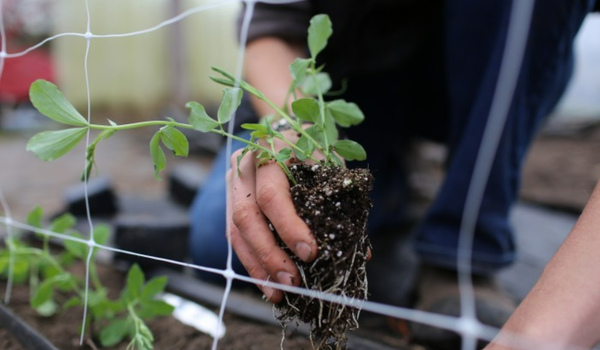

Your guide to gardening in May! We're entering the final month of autumn, and we've certainly been enjoying the crisp, cool weather (although it seems the rain is now upon us!). It can seem like a slower time in the garden, but there's still plenty to keep busy with this month. Planting, tidying, replenishing and preparing. Read on for your May garden task check-list.WHAT TO PLANT THIS MONTHThere's plenty to plant this month, here are a few ideas...Garlic & shallots, onions, broad beans, rhubarb, parsley, kale, broccoli, bok choy, a first lot of strawberries, and feijoas (feijoas can be planted any time of year, but autumn is best!). May is a good time to plant any other new trees and shrubs you have in mind, so they can get established over the cooler, wetter months.A note on garlic: Start planting garlic cloves in cooler areas of the country. You want to get these in before the shortest day of the year (mid-late June). Ideally you want to buy your garlic bulbs from a garden centre, but if you do buy from the supermarket make sure you get NZ grown - NOT imported. A note on strawberries: Strawberries need a good period of chilling over winter if you want earlier & longer yielding plants. Start planting now through till July so your strawberries get the benefits of those cold winter temperatures (however you can plant right up until November).As always, prepare your garden beds before planting with plenty of organic matter: compost (home-made is best!), worm castings, sheep pellets etc.IN THE FLOWER GARDENMay can be on the quieter side when it comes to flowers. There's still a few tasks to get stuck in to though...Lilies: Time to start planting your lily bulbs! This can be done between May-September. Get them in with some bulb food & cover with 10cm of soil.oppies: Plant poppies now for gorgeous winter & spring blooms. Planting guide here.Roses: Pick up any leaves that have dropped and remove any diseased foliage. Don't put these in your compost bin - make sure you dispose of them well away from your garden, to ensure no diseases re-emerge next season from left-over fungal spores. Now is also a good time to transplant mature roses, particularly those that did not perform well over summer. Moving rose plants to a new spot can give them a new lease on life! Dahlias & Gladioli: It's time to lift your dahlia tubers and gladioli corms. Label & store in a cool, dry place ready for planting again in spring.Spring Bulbs: There's still time to get your last spring flowering bulbs in. More info on planting bulbs here.Shop Thorn Defense GlovesShop Bulb FoodMAINTENANCE & TIDY UP Collect & compost any rotting fruit. Mulch your veggies and fruit trees. Cover any frost-tender plants with frost cloth or a cloche. Pull sensitive patio plants under cover. Clean & sharpen your tools, especially secateurs & pruners - ready for winter pruning! Double check that the lid of your worm farm is secure, to prevent any excess water from getting in. Keep the tap open with a container placed underneath, so any rain that gets in can drain out.Shop Garden ClochesShop Rakes

Your monthly guide to what's going on in the garden during April - what to plant, prune & fertilise this month. As we move further into Autumn, there's plenty to keep busy with. Read on for some tips & inspo! PLANT WINTER VEG & SOW FLOWER SEEDS Time to get those winter veggies in (if you haven't already)! That includes brassicas like broccoli, brussels sprouts, cabbage, cauliflower, collard greens, kale, and turnips. There’s also silverbeet and spinach, and root veggies like carrots and beetroot. Start sowing these flowers now, for winter and spring flowering blooms: Aquilegia, Alyssum, Calendula, Cineraria, Cornflower, Dianthus, English Daisy, Godetia, Linaria, Livingstone Daisy, Lobelia, Lupin, Nemesia, Snapdragon, Statice, Viola, and Sweet Peas. Remember to protect your seedlings with a cloche if you're concerned about early frosts. There's also lots of snails & slugs around; keep them at bay with snail bait, beer traps or wool mulch. PLANT BULBS Now's the time to be planting your favourite spring-flowering bulbs! Get them in with some bulb food to get them off to the best start. If you're new to bulb growing, some popular spring-flowering varieties include: Crocus (Late winter to early spring bloom) Ranunculus (Mid spring bloom) Tulip (Early spring bloom) Bluebell (Late spring to summer bloom) Daffodil (Early to mid spring bloom) Hyacinth (Mid spring bloom) Most spring-flowering bulbs need consistent cool temperatures (below 10°C during the day) in order to bloom properly. If you live in an area with warmer winters, certain bulbs will need a bit of extra help - this includes daffodils, tulips, crocus and hyacinths. You can "pre-chill" your bulbs by popping them in the fridge for about 8 weeks prior to planting. Tips for pre-chilling... - Keep your bulbs in the crisper draw inside a paper bag - NOT plastic - Don't place them near the back of the fridge (it's likely too cold) - Keep them well away from fruit, especially apples or pears. Fruit emits a gas called ethylene as they ripen which can damage bulbs. Shop bulb planter Shop bulb food FEED PLANTS & REPLENISH SOIL Autumn is the time to start replenishing your soil before the cooler months set in. Feeding your plants helps to replace any nutrients lost over the summer growing season, and provides an extra layer of protection for your plants over winter. As growth is limited throughout the colder seasons, most plants only need a small amount of nutrients to keep them going. Choose a plant food that slowly releases nutrients over a long period of time; natural fertilisers such as compost, worm castings, or sheep pellets are ideal. Organic matter also does wonders for your soil; it improves soil structure, aids aeration and balances pH levels. So many benefits! Don't forget to fertilise hungry citrus trees now to give them an extra boost. Shop citrus food Shop worm castings PRUNE PLANTS Give your garden a good tidy up by removing old growth. Cutting back dead stems and top growth in autumn helps to prevent fungal disease; just make sure your tools are clean & sharp to prevent any disease from spreading. You can also use a pruning paste over fresh pruning cuts - this acts as a barrier to prevent diseases from entering the plant. If your garden bed is full of messy, exhausted perennials (like scabiosa or echinacea), now is the time to remove any spent flower heads - maybe have a go at seed saving, and raise your own next season! Shop Pruners & Secateurs

It’s time to plant Spring.There is nothing quite like the sight of a sea of spring bulbs to lift your spirits and make you smile. Indeed, as our temperatures fall, I’ve particularly been enjoying the pictures flooding social media as Keukenhof’s 7 million spring bulbs burst into bloom on the other side of the world, in The Netherlands.Spring bulbs are the ultimate in resilience, patience and reward. Bulbs are tucked into the soil in autumn and during winter their brave green tips appear through the soil and just as the winter feels like it’s never going to finish, they burst into bloom. Bright, cheerful and brave, announcing that spring is on its way.Daffodils, Tulips, Freesia, Crocus, Anemones, Ranunculus.....the list goes on. They all flower at slightly different times, so if you do a little research, you can have a show of blooms that extends from winter right through into early summer as one variety starts as another finishes. If you particularly like one type of flower or you love to pick them for your home or for gifts, stagger your planting of that one variety, planting a number every two weeks and you’ll find you can extend your blooms (and picking) by a month to six weeks. Another way you can enjoy different spring bulbs is to create a ‘bulb lasagna’ where different bulb varieties are planted above each other in layers of colour. As the top layer of blooms finish flowering, the next ones come through and so on. Perfect for pots, small sections or specific colour combinations.Many of our Spring bulbs are originally alpine plants from Europe, perfectly suited to the cold and if you have ever wondered why they flop in warm rooms – that's why! They have their own unique antifreeze that protects them from even a late winter dump of snow. They may look fragile, but they are tough! This is why many of the bulbs perform best with a winter chilling period and can be the reason why bulbs won’t flower the following the season in warmer areas. In these areas, it’s best to chill them for 12-16 weeks before planting when you initially buy them and if you want them to flower again, it’s best to lift them and chill them again before replanting. Alternatively, you can treat them like annuals and plant new ones each year.When you are buying from a store, choose firm bulbs – check the packets before you buy! - any soft or squishy ones are a sign of disappointment to come.Choose the right situation for them to flourish. Full sun to part shade – think of the classic images of masses of daffodils or bluebells under bare deciduous trees – are best and well drained soil is a must.If drainage is an issue at your place, plant them in pots.Spread mulch or compost over them annually to help improve the soil and feed with a bulb fertiliser that has higher levels of phosphorus and calcium to support bulb development. The best time to do this is when the green tips start poking through and while it seems counter intuitive, once the flowers finish and start trying to set seed. It’s at this point when the bulb starts to store resources for the following season. Allowing the foliage to die back, without cutting them off, enables as many nutrients as possible to be stored for next years flowers. It is also a good idea to cut off any seed heads as they start to develop as these will divert precious energy from being stored.At planting time, the general rule is to plant them 3-4 times their height, deep. For example, a 4cm high bulb would be planted 12-16cm deep. Many of the bulb packets come with a handy planting depth guide on the back of the label. If you want your flowers to stand up tall on strong stems, please take care to plant them at the correct height. Flowers that flop over at the first hint of a breeze do not put on a good show!There is a wide world of bulbs, with many treasures that are not easy to find. Many just aren’t grown commercially anymore so your best source is other gardeners, markets and often church fairs! If you have a hankering for the stunning Alliums you see on social media, they are no longer allowed to be imported due to the threat of pests and diseases to NZs sizable onion export crop. There are limited numbers already here, new ones just can’t be brought in. If you are on the hunt, search online or ask other keen gardeners – most are very happy to share or pass on where to find these gems!A garden with interest in every season is a garden you’ll actively enjoy all year round. Take the time now to plant bulbs for spring colour. You’ll be so glad you did!By Kelly Jean Reyland of Garden Advice NZ.www.gardenadvice.co.nz

Just like hygiene and cleanliness is used to help prevent pests and diseases in our bodies and our homes, the same is true in our gardens and fruit trees. While we associate a ‘spring clean’ with a fresh start and clean slate, the work in our gardens needs to start right now in autumn. How well we clean up in autumn helps prevent the pests and diseases from the previous spring and summer reappearing or re- infecting our plants next spring. In areas of NZ that have had a milder than usual winter and a very wet spring and summer, it has been a bad year for pests and diseases in our gardens. Why? Fungal diseases thrive in warm and damp conditions and pests weren’t killed off like usual by the cold in a mild winter.So, it is vital to do a thorough clean up this autumn! Fruit trees in particular benefit from an autumn clean up. Did your peach or nectarine have a case of leaf curl this spring? It’s really important that you clean up the fallen affected leaves and discard them in the rubbish bin. Don’t leave them around the tree or put them in the compost bin for the spores to reinfect or spread infection later in the year. Did your apple trees have codling moth damage to the fruit? Ensure that all the hanging ‘mummified’ fruit or dropped fruit around the tree is collected and again, discarded. With any fruit tree affected by pests or diseases, discard those affected leaves or fruit. The physical act of cleaning up is a very important first step.The second step is to carry out an early winter clean up spray to help knock out those lingering spores or pests on the tree itself. If you have carried out any pruning recently, these cuts are an easy way particularly for diseases to infect the tree. We don’t think of it due to its part in a trees yearly cycle but scars from where the leaves were attached before falling provide many small entry points.For this reason, we recommend you start your winter clean up spray of Mineral oil such as Grosafe Enspray 99 oil and Freeflo Copper in Autumn. Specifically at about 30% leaf fall and again at 95% leaf fall. This protects the leaf scar sites and helps minimise overwintering infection. Follow up with a late winter spray and an early spring spray, at bud swell. Just like us, if we ensure the fruit trees are as healthy as they can be, this will help them withstand or avoid pest and disease attacks. Pests and diseases are more likely to attack any plant that is stressed. Too much or too little water or not enough food are common causes. Keep a regular eye on your plants, water and feed them regularly and appropriately and deal with any problems as soon as you see them.Some ways we can minimise pest and disease issues are by ensuring the soil the tree is planted in is healthy and free draining. Adding compost to the soil before we plant and regularly spreading it around the tree as a mulch helps improve the soil structure (drainage and aeration), encourage healthy soil bacteria, fungi and earthworms and helps to maintain consistent soil moisture levels. If you are choosing a new fruit tree to plant, look for a variety with higher natural resistance to pests and diseases. This will make your tree less likely to suffer from infections and pests as it grows and matures (and minimises the work for you!)Remove host plants, as much as possible. Some pests or diseases are attracted to particular plants and will affect them first. From there they spread to other plants. Remove the host plant from your garden and there is less risk of the pests or diseases appearing in your garden.Home grown fruit is such a pleasure to eat, share and preserve for enjoying in the colder months. The flavour of fruit from the supermarket pales in comparison to homegrown sun ripened fruit. With a little care and attention, a healthy fruit tree will give you a generous harvest for years to come. As the saying goes ‘ A pinch of prevention is worth a pound of cure’. Make sure you carry out your autumn /winter clean up and reap the delicious rewards!By Kelly Jean Reyland of Garden Advice NZ.www.gardenadvice.co.nzShop the collectionDisease & Pest Control

Many of us think of autumn as a time when things start to wind down in the garden. But there are actually a wide range of veggies and flowers you can start sowing now, for both winter and spring yields! Sowing seeds in autumn can provide you with fresh winter vegetables, and can also make for an earlier crop & some beautiful blooms come spring-time. Enjoy our ten picks for planting this autumn… VEGGIES: Carrots Carrots are a nice easy crop to grow, and can be planted in autumn here in NZ. They’ll do well in a sunny spot with well draining soil. Plant them 2cm deep and at least 10cm apart - just make sure they’re sown directly into the garden, as carrot seedlings don’t like being transplanted! They’ll be ready for harvest in about 6 weeks. Broccoli You can plant broccoli right throughout autumn in NZ. If sewing your seeds directly into the garden, make sure you plan ahead and plant them at least 10 weeks before the first autumn frost. Otherwise, grow them in a seed tray and transplant after about 5 weeks. Pick a sheltered but sunny spot, and make sure you plant them at least 30-50cm apart (as they like their space!). The central head will be ready for harvest after roughly 18 weeks - keep an eye on them and harvest before the yellow flowers open up. You can take a second picking a few weeks after the first harvest. Beetroot Beetroot is a great cold-weather crop, as it doesn’t require much space. If you’re growing from seed, soak them in warm water for a few hours before planting - this softens the seed coating and speeds up the germination process. Plant your seeds or seedlings at least 5cm apart, and after about 4 weeks thin them out by removing the smaller seedlings. Water daily for the first 2 weeks following planting, then water as needed. The leaves are ready to be harvested after 7-8 weeks (just make sure to leave a few behind so the root can continue to grow!), and the root is ready to harvest once the outer leaves are about 15cm long. Garlic While garlic is traditionally planted on the winter solstice, it can be sown from late autumn - think May onwards. Choose a sunny, well-draining area of the garden, and start with NZ grown garlic as your seed. Split the bulb into individual cloves and keep the largest few for planting; plant each clove 5cm deep (with the pointed end facing up) making sure they’re at least 20cm apart. You should see shoots within a month, and look forward to harvesting in summer. Lettuce Lettuce is a garden staple that can be enjoyed year-round. If planting in autumn, consider a loose-leaf variety - these are less likely to rot in cold/wet weather than hearting lettuces. They’re also great as you can grow them in planters on the patio or balcony, or straight into the garden! Choose a sunny spot, and sow the seeds just 3mm into the soil (i.e. very shallow!). Water regularly, and when ready to harvest simply pick off outer leaves as needed. Peas This cool-weather crop can be planted from late autumn through to late spring. Peas like full sun, in a spot that is sheltered from the wind. You’ll need a growing structure such as a teepee, trellis or stake (you can even use a branch!) to keep them off the ground as they grow - tall varieties will need more support than dwarf varieties. Sow your peas, spacing them at least 5cm apart. Make successive sowings to draw out the growing season, and harvest frequently after 1 ½ to 2 months. FLOWERS: There are plenty of cool-season flowers that can be sown during autumn. Some will flower during winter, and others will be ready to flower by spring. Sweet Alyssum These annuals are easy to grow, and provide a sweet carpet of colour in the garden. They are especially suited to coastal areas as they thrive in more alkaline soils. If you live in a frost-free part of the country, you can sow this cool-season flower in autumn and see flowers in as little as 2 months! (If you live in a colder area, wait until spring for this one). To start sweet alyssum from seed, scatter the seeds on top of your soil and lightly press them down, ensuring they are still exposed to light. Or, pick some up from your local nursery and directly transplant it into your garden. This annual is a notorious self-seeder, so once established it will come back year after year. Poppies These iconic blooms are a winter garden staple; sow them in autumn for winter & spring blooms. Most varieties can be sown directly into the garden, or sown in trays for transplanting (Flanders Poppies dislike being transplanted so sow this variety directly). They’ll do well in a sunny spot with free-draining soil. Tip: for a more even spread of flowers, mix your seed with sand before sowing. Cover the seeds with a very light layer of soil, and keep the bed moist for about 2 weeks or until germination. Nigella (Love-in-a-Mist) Nigella is a hardy annual plant, which will provide beautiful early spring blooms if planted in Autumn. They’ll do well in a sunny patch of the garden with well-draining soil. Nigella has a relatively short blooming period (about a month), so plant seeds successively every 3 weeks in Autumn to enjoy continuous blooms. Sweet Peas These beloved blooms are stunning with a beautiful fragrance, and come in many different varieties. Some find that sweet peas sown in autumn actually produce a stronger plant & more flowers than those sown in spring! Sow your seeds directly into the garden between March and early June. Choose a sunny, sheltered spot, making sure there is something in place to support it as it grows (a trellis, wall, line, or even a tree will work). Most varieties climb up to 2 metres. If your soil is rich, your sweet peas can flower for up to 3 or 4 months come spring-time! MORE AUTUMN GROWING TIPS… Before planting, replenish your soil by adding a new layer of compost. Give your established plants a boost using a nutrient-rich plant tonic, like seaweed, or seaweed and fish. Invest in garden covers & cloches to protect certain plants from the colder weather, and your brassicas from pesky bugs like whitefly. If sowing seeds directly into the garden, cover with a seed raising mix to protect your seedlings adding some worm castings will encourage growth. SHOP SEEDS SHOP COVERS & CLOCHES SHOP WORM CASTINGS SHOP PEST CONTROL

The days are shorter, the air is crisper, and we’re starting to pull out the winter woolies! Autumn has well and truly arrived. This picturesque season is the perfect opportunity to give the garden a good tidy-up, so come springtime you’re ready to jump in and get growing. Taking the time to maintain things at this time of year will save you a lot of hard work later when the weather warms up. Take a look at the tidy-up tips below before you roll up your sleeves.Clear out the oldA good place to start is tidying up vege and flower beds: now is the time to remove old vegetable plants, and any annuals that have finished blooming. Removing them now reduces the chance of pests & diseases for your next crop. Compost these old plants, or simply bury them in your garden to add some healthy organic matter (just remember not to compost or bury any diseased plants!).Taking the time to weed is also a good idea, even if there aren’t many growing at this time of year - it will make weeding much easier come spring and summer. Remove any other intrusive debris from the rest of your garden, raking up leaves and fallen fruit. Turning leaves into mulch or compost can be a useful trick that your garden will thank you for down the track! If you choose to compost your fallen leaves, make sure to add enough “green matter” such as food waste or grass clippings, which are nitrogen-rich. Dry leaves are “brown matter”, which are carbon-rich. The ratio of your compost pile should be about 2 parts green to 1 part brown. We should note that leaving a pile or two of leaves around your garden is not always a bad thing - they can provide welcome and valuable shelter for pollinators over the colder winter months. Just rake the pile into an out-of-the-way place, such as underneath a hedge. Remember to clear out gutters and any drainage too, if necessary.Replenish soil & protect plantsNow is also the perfect time to revitalise tired soil. Doing this during autumn gives any added nutrients time to break down and become active. It’s also a good idea to take advantage of your compost (if you have your own compost heap or bin) after the summer heat, as it’s likely ready for use after sitting through the warmer months.When removing old plants and annuals from the garden, loosen the soil with a gardening fork and mix in a handful of compost. This will ensure the soil is refreshed and ready for replanting in spring. You can also pack a layer of compost around the base of shrubs and perennial plants - just make sure to leave a gap of a few centimeters between the compost and the stem. If you have manure, adding this now will help to nurture the soil as well. By the time we hit spring, your soil should be refreshed and ready to go another round.This is also the time to use all those leaves you raked up! Mulched leaves can be used to prevent weeds, to protect the soil beneath from cold conditions, and to help retain moisture. Simply shred the leaves (running a lawn mower over them a few times is an easy way to do this), and they are ready to use as mulch - you don’t want them to fully decompose as you would when composting. If you don’t have an abundance of fallen leaves on hand you can use straw or grass clippings instead. A layer of mulch will ward off pests and weeds, and help keep the soil temperature from fluctuating too much. When it eventually breaks down, your mulch will enrich the soil too. Remember to weed before laying down your mulch, and be sure to leave a gap between the mulch and the plant stem. Wet mulch that is laid too close to stems could cause rot.Lawn CareAn obvious one is to give the grass a mow! Grass clippings can be added to your compost heap or even used as mulch (see above). If possible, don’t cut your lawn too short - soil-enriching bugs often like to burrow down in the grass over winter. Some of these beneficial insects to have around include Ground Beetles, Praying Mantises, and Ladybugs. These helpful critters eat many unwelcome garden pests such as aphids, keeping their populations at a manageable level. Keeping the lawn slightly longer over winter will help them to help you!Aerating your lawn in autumn also comes with many benefits, and if done regularly will make lawn maintenance much easier. Aeration helps to strengthen and stimulate grass root growth, preparing it for colder conditions. It will also prevent water from pooling by allowing it to run off. Clean and store toolsProper garden tool maintenance and storage is essential for the longevity of your equipment. Cleaning your tools should be done year-round, not just in the autumn, but your annual autumn tidy-up is a good excuse to check everything is in ship shape! For an in-depth guide on garden tool cleaning and storage, you can read our previous blog post here. Plant spring-flowering bulbsAfter removing old plants, now is the time to plant your favourite spring-flowering bulbs! Here in NZ, autumn is the ideal time for this. Not only will they provide a happy burst of colour to your garden once spring arrives, they will also provide a nice, early food source for pollinators after winter. Feed the birds...and our final tip is: remember to keep feeding your backyard birds! Although it may soon be too cold to enjoy the garden with them, they will still appreciate a bit of extra nourishment. Keep your bird feeders topped up and ready for your feathered friends to visit over the cooler months. Enjoy your autumn garden!If you’ve managed to tick off all of your autumn garden preparations already, well done! If not, we encourage you to dig in (literally) and get started. While we still have the coldest months coming up ahead, spring will be upon us before we know it, and you’ll soon be reaping the rewards of the ‘hard yards’ put in now. Doing an annual autumn garden tidy up will make for a flourishing garden that’s easier to maintain - sign us up for that! You can check out our website for heaps of handy garden tools and accessories - from rakes, to tub trugs, garden bags & more - that will make your autumn clean-up a breeze.

