

Everything wakes up in spring. Not all of it is on your side.
The seedlings, yes. The roses, the sweet peas, the first flush of soft new growth on everything. And, with impeccable timing, the aphids, the slugs, the white butterfly and every blackbird in the district. Warmth plus damp plus tender new leaves is their whole business model, and September in New Zealand hands them all three at once.
The good news is that most spring pest control is prevention, and most prevention is cheap. A healthy, well fed, well spaced plant shrugs off what a stressed one gets eaten by. So the first job is always the boring one: good soil, room to breathe, a walk round the beds every couple of days. Then a handful of specific moves for each guest, which is what this guide is about.
This is the pests half. The fungal side of spring, powdery mildew, rust and black spot, has its own guide, because the fixes are different and the two together make a very long read.
Aphids, in all four colours
There is more than one aphid, and knowing which one you have tells you where to look. Green aphids cluster on rose buds and soft shoot tips. White ones hide on the undersides of brassica leaves. Black aphids go for the alliums, garlic and onions especially. And the woolly aphid, which looks like a smear of cotton wool on the bark, lives on apple and other fruit trees. All of them suck sap, and the tell tale signs are curled, sticky or yellowing leaves and growth that has simply stopped.
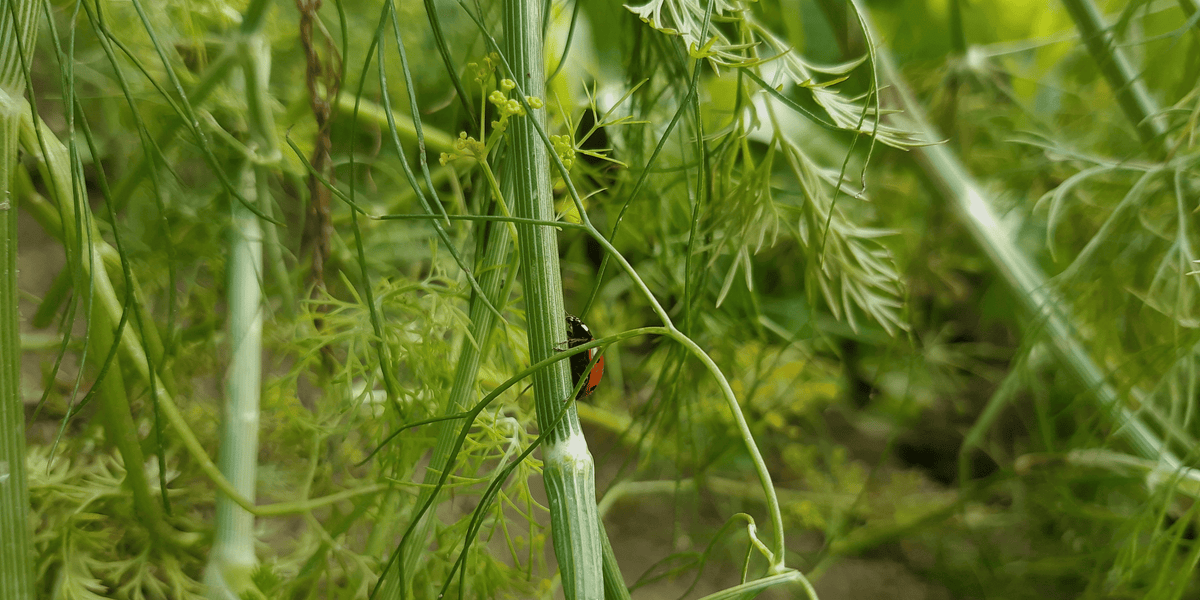
Prevention is mostly planting. Mint and marigold repel them. Nasturtium and calendula work as trap crops, drawing the aphids away from the things you care about, which is a fair trade. And plant for the ladybirds, because ladybirds love aphids. One adult eats dozens a day and its larvae, which look like tiny grey crocodiles, eat more. Yarrow, dill, fennel and calendula bring the ladybirds, lacewings and hoverflies in, and a garden that never sprays keeps them. Our companion planting guide has the full seating plan.
Then check new growth and leaf undersides every few days, because a small colony is a two minute job and a big one is a fortnight. Rub them off with your fingers or blast them with the hose, and do it in the morning so the leaves dry. For a stubborn outbreak, a garlic spray: crush five or six cloves, pour over a litre of boiling water, let it steep and cool, strain, add a drop of organic dish soap, and spray.
If the garlic does not shift them, BioNeem is the next step up. It works two ways: as an antifeedant, so the aphids stop eating, and as a lifecycle disruptor, so the young ones never mature into breeding adults. That is why it needs repeating every week or so while the colony lasts, and why it pays to start before the numbers get away on you. It is BioGro certified, and it leaves the ladybirds, lacewings and hoverflies alone, so you are not undoing the work of the paragraph above. For a heavy infestation, EnSpray 99 comes at it from the other direction, a mineral oil that suffocates aphids, mites, thrips and scale at every life stage, eggs included. Used together they cover the whole life cycle, which is the fastest way to break an outbreak. Whichever you reach for, repeat it within the number of days on the bottle. Aphids breed faster than a single spray can keep up with, and breaking the cycle is the whole game.
Slugs and snails, the night shift
Damp spring nights are peak slug season, and every seedling you plant out this month is on the menu. A single slug can take a whole lettuce seedling overnight, and they are very good at leaving no evidence except a stalk.
The best control is the least sophisticated: go out after rain or at dusk with a torch, while the numbers are still small, and pick them off. Every slug found in September is a hundred that never meet your lettuces. Around the beds, barriers help: wool mats, crushed eggshells, anything dry and scratchy they would rather not cross. Beer traps sunk to soil level catch a surprising number. Clear the debris, old pots and stacked timber they shelter under during the day. And let the birds and hedgehogs help, which is one more reason not to reach for the old style pellets that poison the things eating the slugs.
For the beds you cannot patrol, Quash is the bait we stock, a lower toxicity option that is kinder to the rest of the garden's residents than the traditional pellets. Scatter it thinly around the seedlings rather than in heaps, and put it out the evening you plant, not the morning after you find the damage.
The white butterfly, and the only thing that really stops her
She is nothing if not persistent. One white butterfly lays dozens of tiny yellow eggs on the undersides of brassica leaves, the caterpillars hatch hungry, and a row of broccoli can go from perfect to lace in a week. You can check under the leaves and squash the eggs, and you should. You can plant strong scented herbs like oregano nearby to confuse her, and it helps a little. But the only thing that reliably works is a physical barrier she cannot get through.
Fine insect netting over the brassicas from planting day, before the first egg is laid, means no eggs, no caterpillars and no shredded kale in November. Cut it to fit over hoops, drape it over a frame, or go the full fortress with a net tunnel with doors for you and nothing for her. The netting has to go on before she arrives. Netting a bed that already has caterpillars in it just gives them privacy.
Birds, who also read the planting calendar
Blackbirds pull seedlings out to get at the worms underneath them, and every bird in the district knows the day the strawberries turn. Missing berries, seedlings lying on the surface and jagged tears in soft leaves are the signs. Netting is the answer here too, and the same tunnel that keeps the white butterfly off the brassicas keeps the birds off everything else. Reflective tape, old CDs and the odd decoy help for a fortnight, but birds are clever and get used to them. Net is net.
The habit that beats all of them
Walk the beds. Every second day in spring, five minutes, coffee in hand. Look under leaves, look at the new growth, look for slime trails and stalks with no seedling on them. Every pest on this page is easy at the start and hard by the weekend, and the gardeners who never seem to have pest problems are simply the ones who saw them first.
Spring pests, the short answers
When should insect netting go on the brassicas? The day you plant them out, before the first white butterfly finds them. Netting after the caterpillars arrive traps them in with the crop.
What is the best organic aphid spray? Start with water from the hose. If that does not shift them, a garlic spray (five or six crushed cloves steeped in a litre of boiling water, cooled, strained, with a drop of dish soap), then BioNeem, which is BioGro certified and does not take the ladybirds out along with the aphids. For a heavy infestation, EnSpray 99, or both together to cover the whole life cycle.
Are slug pellets safe for birds and hedgehogs? The old metaldehyde pellets are not. Lower toxicity baits like Quash are designed to be kinder to non target wildlife, and hand picking after rain is safest of all.
Do ladybirds eat aphids? Yes, by the dozen, and their larvae eat even more. Plant yarrow, dill, fennel and calendula to bring them in, and skip the broad spectrum sprays that kill them along with the aphids.
Which plants keep aphids away? Mint and marigold repel them, nasturtium and calendula draw them away as trap crops, and yarrow and dill attract the lacewings and hoverflies that eat them.
How do I stop birds pulling out seedlings? Cover them. Netting over hoops or a net tunnel from planting day. Scarers work briefly, netting works all season.
The kit
- Insect Netting, 1m and 2m widths, by the metre, from $4.00
- Net Tunnel with Four Openings, 2m x 1m x 1m, $89.10
- BioNeem, BioGro certified neem concentrate, 200ml, $41.30
- Enspray 99®, BioGro certified mineral oil, 500ml, $32.90
- Quash Slug & Snail Control, $9.90
- Solo Hose-end Sprayer 405 HE, for the garlic spray and everything after it, $32.90
The rest of the spring defence is in the Grow collection.
Premium products for people who live in the garden.


