

For years the rose has been sitting on the sidelines, patiently waiting, while the dahlia soaked up the limelight. Fair enough. Roses had a reputation. Prickly, in every sense. High maintenance. All that pruning and spraying and black spot for a few short weeks of glory. But while nobody was watching, the rose quietly staged the longest comeback in horticulture.
And now it is having a moment. A proper, slow-motion, Chelsea Flower Show moment. Two of the most photographed people on earth had a flower named after them this year and the gardening world has barely stopped talking about it. Pay attention. There is a story in the soil.
A rose for Beckham
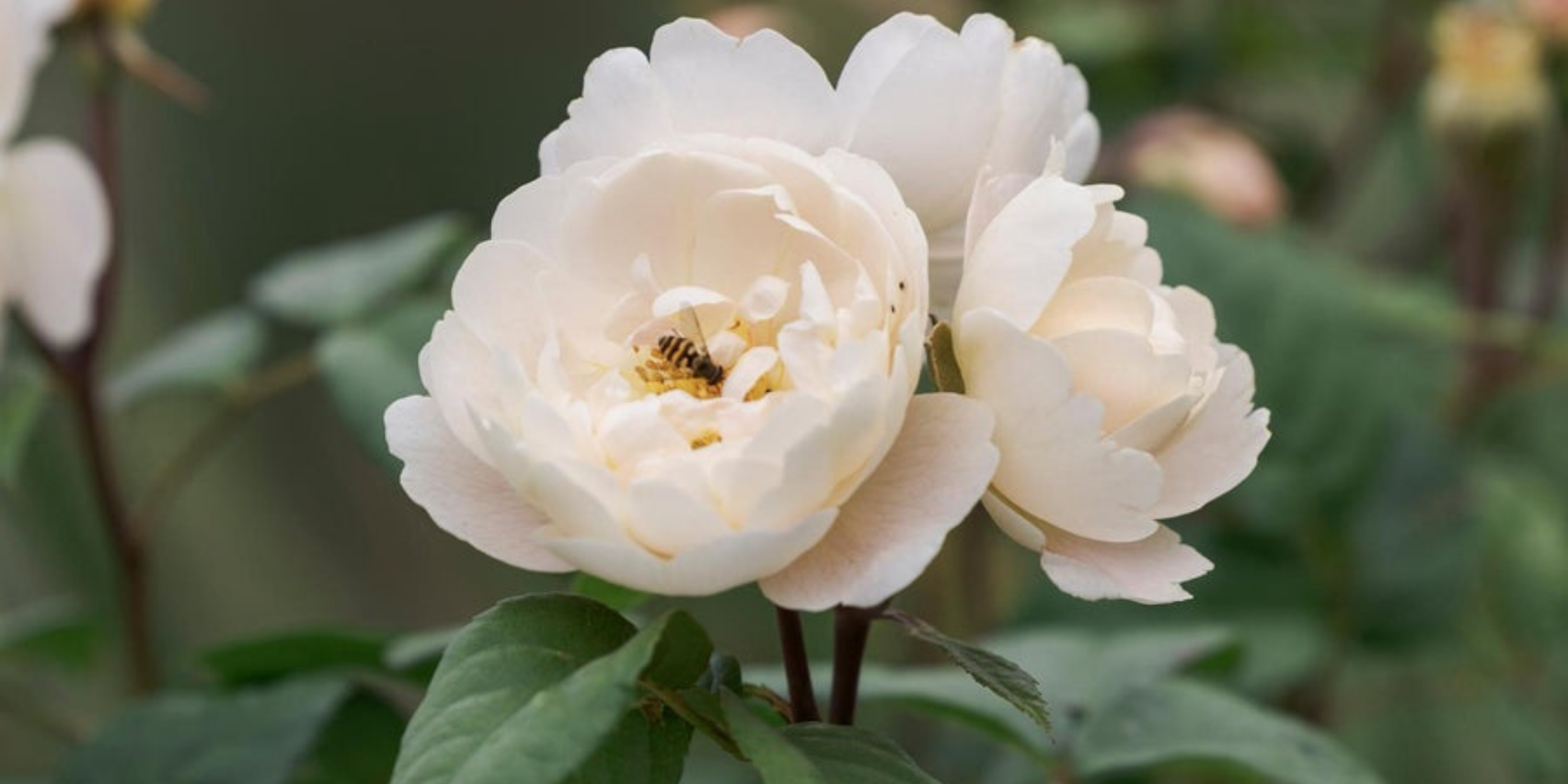
It started, as most good things do, with a daughter and an idea. Harper Beckham, 14, decided that her dad's 50th birthday needed something more thoughtful than a watch. So she went to David Austin Roses, the most famous English rose house of the modern era, with the idea. The result, unveiled at the RHS Chelsea Flower Show in May 2026, is the Sir David Beckham. Soft pink buds opening to a luminous white bloom with a hint of blush, a burst of golden stamens, and a scent the breeders describe as fresh green notes, warm honeyed musk, nougat, clove and myrrh. It went on sale in the UK from 18 May, bare root from £27.50, with £2.50 from every sale going to The King's Foundation.
A rose for Moss
Across the show, Peter Beales Roses unveiled the Kate Moss. A soft cream brushed with pink, opening to a warm buttery tone. Named for the patron saint of nineties cool, and accepted by Moss herself with a line that summed up the whole moment: “Knowing I could bloom quietly in someone's garden somewhere.”
A wider moment
Pamela Anderson is gardening on Vancouver Island. Martha Stewart, as regular readers will remember, has a favourite hoe. The David Austin stand took Gold again at Chelsea this year, and King Charles made his traditional beeline straight to it. Roses were written off as your grandmother's flower. Turns out your grandmother had taste. They are now the most cult-followed plant in the modern garden, and in 2026 the culture finally caught up.
So. If the celebrities are buying roses, you might as well grow yours properly. Here is the only NZ rose-care game plan you need.
The winter pruning
In New Zealand, roses are pruned in winter while they are dormant: roughly June through August, depending on where you are. The job is not complicated. Take out anything dead, diseased, or rubbing. Cut to an outward-facing bud at a 45-degree angle, just above the bud, sloping away from it. Reduce the bush by a third to a half. Step back. Look at it. The shape you cut now is the shape it grows back as. Be honest with yourself. If you want the full where-to-cut walkthrough, we went deep in How to Prune Roses in Winter.
A good pair of bypass secateurs is non-negotiable. Anvil pruners crush the stem. Bypass pruners slice through it cleanly, which is how the cut heals without inviting in disease. Good Japanese steel holds an edge for years. Cheap stamped steel does not.
Seal the cuts
Every cut over the size of a thumb deserves a brush of Organic Prune 'n' Paste. It is the difference between a rose that heals clean and a rose that quietly lets silver leaf, coral spot, or any number of opportunistic fungi take up residence in the wound. Surgery and aftercare. One does not work without the other.
Spray the dormant programme
This is the part that separates the people whose roses survive from the people whose roses thrive, and the order matters more than most people realise. Start with copper, while the bush is dormant and the leaves are off. Copper (we use Free Flo Copper) is the bodyguard against fungal and bacterial disease, the one that stops black spot and bacterial blast before they get a foothold. Then wait at least seven days before you follow with an oil, because copper and oil applied too close together can burn the plant. Oil (Enspray 99) suffocates the scale insects, mites, and aphid eggs that are quietly overwintering in the bark, waiting for spring. Add a few drops of EcoSpread to the tank mix so it sticks to the stem instead of beading off. Then one more oil spray in early spring as the buds burst, to catch anything hatching from eggs that survived the winter. It is the cheapest insurance you will ever buy.
Feed when the leaves come
Once the leaves start coming back in spring, the rose is hungry. We feed ours with OceanFert, a granular seaweed fertiliser that releases slowly and feeds the soil as well as the plant. Top up monthly through the growing season. Roses are gross feeders. Treat them like the divas they are and they will perform.
Manage the aphids without nuking the bees
Aphids are inevitable. They love the new growth. The old advice was a generic insecticide that wiped out the bees along with the pests. The current best practice is more discerning. BioNeem is a plant-based botanical insecticide derived from the neem tree that controls aphids, scale and whitefly without taking out the natural predators doing free work in your garden. GroVentive Garden is a two-way systemic that is approved in New Zealand for use on roses and is safe for bees and most beneficial insects. Either one, applied at the first sign of an aphid party, and you will not see them again for weeks.
Protect the gardener
Two things every rose gardener eventually buys, after the third or fourth scratch they cannot explain to anyone at work. A pair of Rose Pruning Sleeves or Niwaki Arm Covers to save your forearms, and a proper pair of Thorn Defence Gloves built for exactly this job. The thorns are not personal. They are just doing their job. So should you be.
The whole point
A well-tended rose will outlive the gardener. The David Austin shrubs you put in this winter will still be flowering when the next generation moves into the house. That is the deal you make with a rose. You give it a winter prune, a copper spray, a feed in spring, and an aphid eye through summer, and it gives you four decades of December flowers.
Beckham and Moss got their roses unveiled at Chelsea. Yours are in the ground, in your garden, with your name on the deeds. Quietly the more impressive of the two.
Browse the full winter rose-care kit in Winter Sorted. Buy once. Buy well.
Image courtesy of David Austin Roses, www.davidaustinroses.co.uk


