

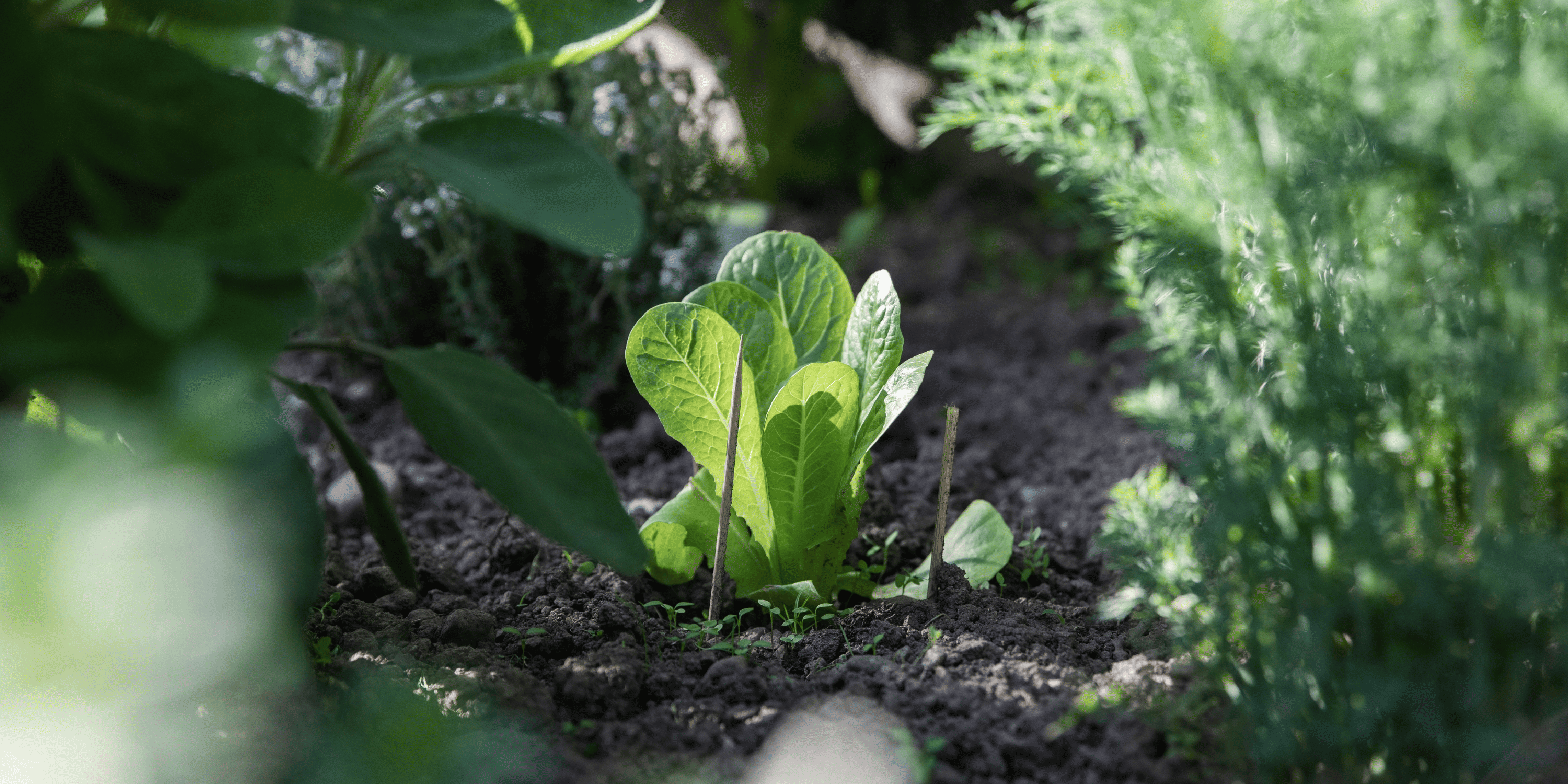
The shaded corner isn't a dead corner
Most vegetable gardening guides start with the same line: 'find a sunny spot.' Fine if you've got one. Less fine if your garden is north-facing-but-half-shaded, or hemmed in by a neighbour's tree, or has one perfect patch but it's already taken.
The truth is that loads of vegetables not only tolerate shade, they prefer it. Most leafy greens, herbs and roots are happier in partial shade than in full summer sun. Here's what to plant where the light doesn't quite reach.
First, define shade
'Shade' isn't one thing. For the purposes of growing food, it usually means one of three:
- Light shade: 4 to 6 hours of direct sun a day, often morning sun only.
- Partial shade: 2 to 4 hours of direct sun, often dappled light through trees.
- Full shade: less than 2 hours of direct sun. Nothing edible thrives here, but a few things tolerate it.
Most 'shade vegetables' want light or partial shade, not dense, all-day darkness. If you can read a book outside without strain, plants can grow.
The leaves love shade
Lettuce
Bolts in heat. Partial shade extends its life by weeks. A cooler bed keeps lettuce going through summer when sunny beds give up.
Rocket, mizuna, mustard
Same story. Cool, partial shade keeps the leaves tender and the flavour from going harsh.
Spinach
Definitely prefers cool shade. Plant in the dappled side of a bed and you'll be picking when the sunny patch has bolted.
Silverbeet (Swiss chard)
Tolerates more shade than almost anything in the veg garden. Will produce in light shade nearly year round.
Kale
Happy with as little as 3 to 4 hours of direct sun. Slower in dense shade, but still productive.
Roots that don't mind
Beetroot
Will grow in partial shade. The roots will be slightly smaller, but the leaves (themselves a crop) are tender and excellent.
Radishes
Fast crop. Grow them in three weeks in light shade. Quick salad roots without a sunny bed.
Carrots
Need more sun than most roots, but will manage in partial shade with smaller, sweeter carrots as the result.
Herbs that handle low light
Mint
Loves shade. Spreads aggressively. Grow it in a pot in the shade and you'll have mint for life.
Chives
Tolerates partial shade beautifully. Smaller leaves, gentler flavour, but still productive.
Parsley
Actually prefers partial shade in summer. Full sun makes it bolt. Gentle light keeps it producing for months.
Coriander
Bolts in heat instantly. Partial shade is the only way to get a long-running supply through summer.
Other shade-friendly crops
- Bok choy and pak choi (same brassica reasoning, prefer cool light shade)
- Rhubarb (will produce in partial shade)
- Sorrel (genuine shade-lover, makes lemon-flavoured leaves)
- Watercress (grows wild in shaded streams, give it constant water and partial sun)
- Strawberries (will fruit in partial shade, just less heavily)
What not to bother with in shade
Sun-hungry crops will sulk and underproduce in shade. Don't put these in a shaded bed:
- Tomatoes
- Capsicums and chillies
- Eggplant
- Cucumbers, courgettes, pumpkins, melons
- Sweetcorn
- Basil (it'll sulk)
These want 6+ hours of full sun and will tell you off in the form of leggy stems and no fruit.
Tricks for getting more from a shaded bed
- Paint nearby walls or fences a pale colour. Reflected light works.
- Prune overhanging trees to let dappled light through.
- Use containers and move them to chase the light.
- Add extra compost. Plants in shade need to work harder, so give them better soil.
- Water less. Shaded beds dry slower, so don't overdo it.
The honest bit
A shaded garden isn't a worse garden, just a different one. You won't grow a watermelon under a tree. But you can grow rows of cool-season greens, a thick patch of herbs, a shady salad bed that keeps producing when the sunny one has bolted.
Stop fighting the shade. Plant for it. Welcome to the dirt cult. We grow in the gloom too.


